
Spain approves target of 120 GW of renewable energy capacity by 2030
The Spanish government approved the plan proposing that renewables make up 42% of the final energy consumption in 2030.
This archive spans one of the most eventful periods in recent history, from 2017 through 2025. Browse more than 4,100 articles documenting scientific breakthroughs, policy wins, social progress, and human ingenuity from the present era. Each story highlights what people and communities around the world are building, solving, and achieving right now.
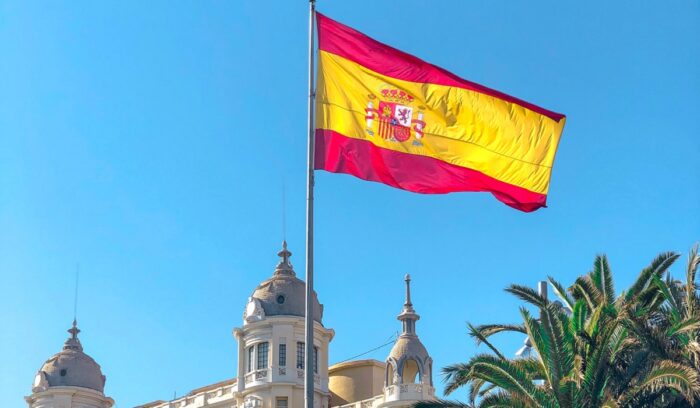
The Spanish government approved the plan proposing that renewables make up 42% of the final energy consumption in 2030.
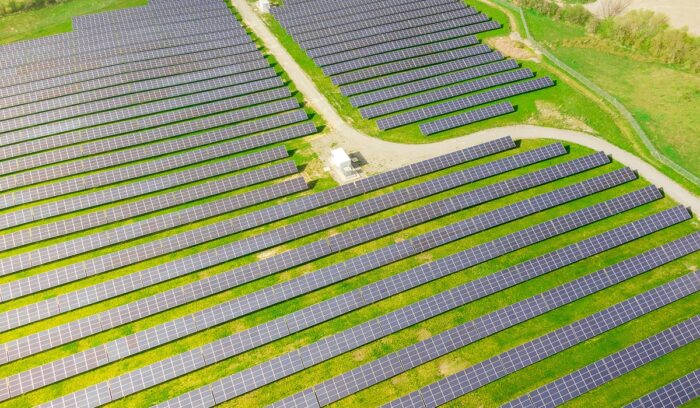
The European Union installed 8 gigawatts (GW) of new solar capacity in 2018, according to the region’s solar trade body SolarPower Europe, an increase of 36% over 2017 figures.
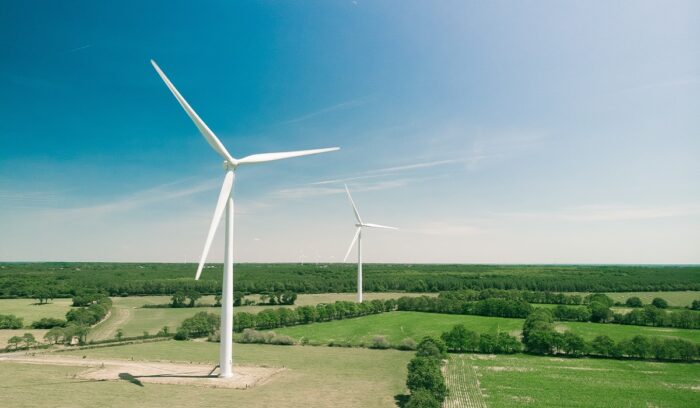
The Asia Pacific region installed a total of 24.9 gigawatts (GW) of onshore wind in 2018, bringing the region’s cumulative capacity up to an impressive 256 GW. 145 GW of new onshore capacity are expected to be brought online by 2023.
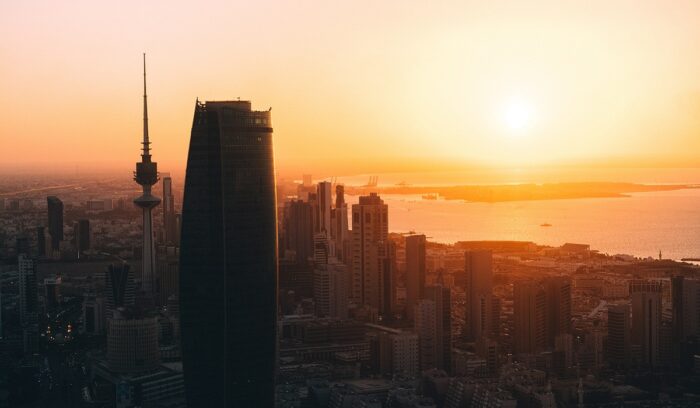
The first phase of the Shagaya Renewable Energy Park has now been completed with 70 MW of new capacity. Government officials said the project to establish a 1,500-MW solar energy station will be the largest in the Persian Gulf.

The company just published a blog post about the initiative, which it’s calling Shipment Zero. The proposal is scarce on tangible details, but the retail giant did commit to making half its shipments carbon neutral by 2030.

Electrified rail technologies clean up the air around the rail lines and eliminate the point-of-use emissions stemming from rail altogether.
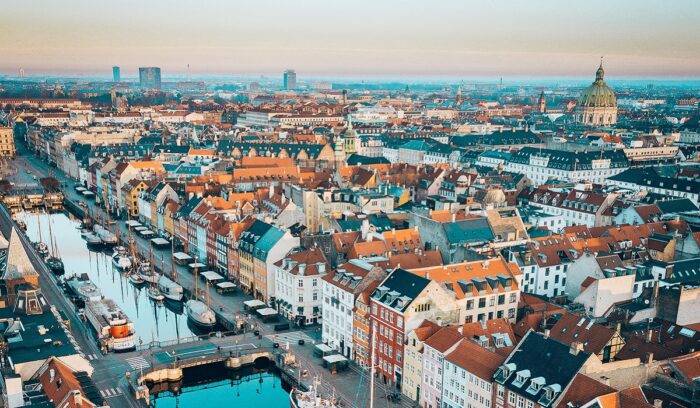
In the declaration, the five countries commit to step up ambition by 2020, enhance their Nationally Determined Contributions (NDCs) for the Sustainable Development Goals, and intensify their cooperation.
The government estimates that the project, which will run until 2050, will eventually remove 18 million tons of greenhouse gases per years.

A brand new type of cancer drug that acts as a “Trojan horse” to get inside tumor cells has shown promise in patients with advanced, drug-resistant cancers. Patients with six different cancer types have responded positively to the new treatment.
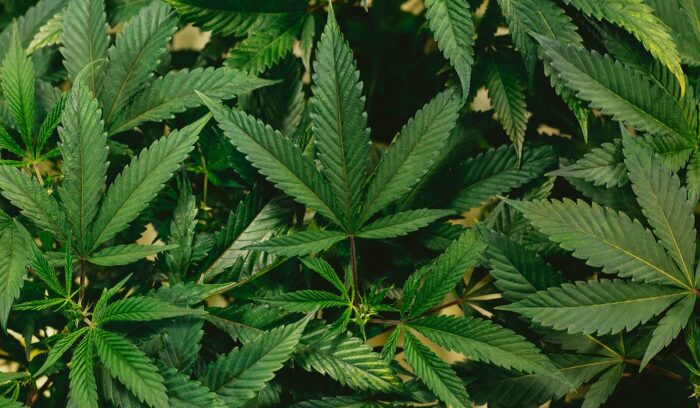
Global health experts at the United Nations are recommending that marijuana and its key components be formally rescheduled under international drug treaties. WHO is also moving to make clear that CBD-focused preparations containing no more than 0.2 percent THC are “not under international control” at all.