
G20 agree to reduce marine plastic
The agreement promised to “promote a comprehensive life-cycle approach to urgently and effectively prevent and reduce plastic litter discharge to the oceans.”
This archive spans the years 2017 through 2025, a period marked by rapid advances in clean energy, medicine, technology, and social equity. It collects documented breakthroughs, policy wins, and scientific achievements from the present era. If you want evidence that progress is real and ongoing, this is where to look.

The agreement promised to “promote a comprehensive life-cycle approach to urgently and effectively prevent and reduce plastic litter discharge to the oceans.”
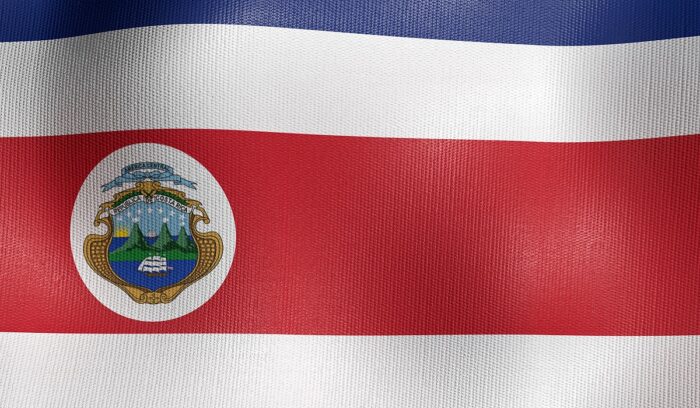
Costa Rican legislators approved the law that prohibits the import, marketing, and distribution of polystyrene containers.

Their new strategy has already helped speed up research into these molecules, including a planned clinical trial in humans.

The plan will provide Medicaid coverage to approximately 90,000 undocumented residents between ages 19 and 25.

Prime Minister Justin Trudeau says his government will ban single-use plastics, which could include bags, straws and cutlery, in Canada in 2021.

Target, the eighth largest retailer in the U.S., has committed to 100% renewable energy by 2030, including all domestic stores, distribution centers, and offices.

The U.K. is to enshrine a 2050 net zero emissions target in law, with an amendment to the Climate Change Act.

The practice reduces the environmental impact and saves land from being taken up by cemetery plots and headstones.

The Ending the Captivity of Whales and Dolphins Act, first introduced in 2015, outlaws the practice, as well as the trade, possession, capture and breeding of cetaceans.

In the landmark ruling, the southern African nation’s High Court rejected sections of the penal code that criminalize same-sex relations and impose up to seven years in prison.