
Nepal’s rhino population is on the rise
In the 1960s, Nepal’s rhino population hit a frightening low of fewer than 100. But it seems the government’s conservation efforts have paid off.
This archive spans the years 2017 through 2025, a period marked by rapid advances in clean energy, medicine, technology, and social equity. It collects documented breakthroughs, policy wins, and scientific achievements from the present era. If you want evidence that progress is real and ongoing, this is where to look.

In the 1960s, Nepal’s rhino population hit a frightening low of fewer than 100. But it seems the government’s conservation efforts have paid off.

Dr. Hiroshi Date—who led the operation—said in a statement that the success of this transplant from living donors can provide optimism among others suffering severe lung damage caused by COVID-19.

City councils must give four years’ notice before imposing bans as part of government plans for emission-free road traffic by 2050. The city bans aim to save 1 megaton of CO2 each year by 2030.

The California Energy Commission (CEC) has announced approval of a $380 million, first-of-its-kind project to accelerate the deployment of infrastructure needed to fuel zero-emission trucks, buses and equipment.

After a long debate, the French National Assembly has voted to suspend all domestic flights on routes that can be traveled by direct train in less than 2.5 hours.

Running on a progressive platform, Tishaura Jones has committed to the “reimagining” of public safety, stricter gun control, and the closure of one of the city’s pretrial detention centers accused of inhumane conditions.

Private buyers will be qualified for subsidies of up to €7,000 per vehicle. Authorities in small towns, as well as companies purchasing fleets to use them as taxis, could get even more.
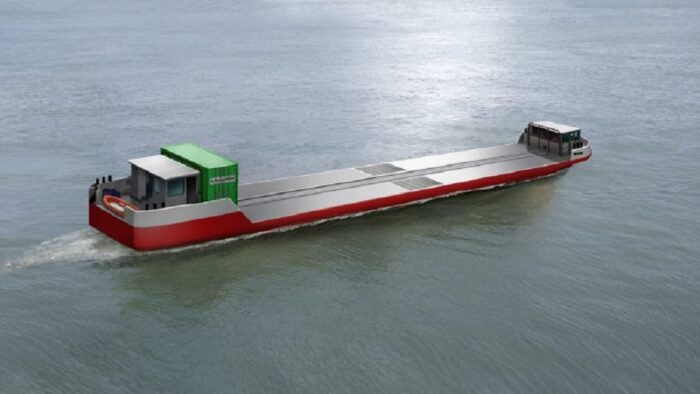
Developed by French shipowner Compagnie Fluvial Transport (CFT), the vessel will be the world’s first cargo ship to run on hydrogen and is set to be deployed on the river Seine in Paris.
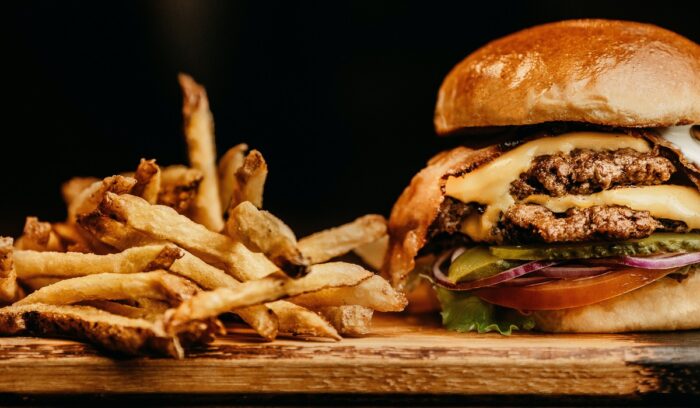
A new report also shows that cultivated beef in 2030 will be about 90% more environmentally friendly than conventional beef, emitting 93% fewer greenhouse gases and using 95% less land for nutrient production.

The Green Saudi and Green Middle East initiatives aim to take the crown of the world’s largest tree-planting effort—50 billion across the Arab states, as well as efforts at home to more than double the size of the Kingdom’s protected areas.