
Mexico’s supreme court decriminalizes recreational use of cannabis
The decisive 8-3 ruling comes after advocates pushed for decriminalization as a means to reduce drug-fueled cartel violence in the country.
This archive spans the years 2017 through 2025, a period marked by rapid advances in clean energy, medicine, technology, and social equity. It collects documented breakthroughs, policy wins, and scientific achievements from the present era. If you want evidence that progress is real and ongoing, this is where to look.

The decisive 8-3 ruling comes after advocates pushed for decriminalization as a means to reduce drug-fueled cartel violence in the country.

The retailer claims its insulin options will save customers between 58% to 75% compared to branded products.

Germany’s Svevind has announced a colossal green hydrogen project that will place some 45 GW of wind and solar energy generation on the steppes of Kazakhstan to produce around 3 million tonnes of green hydrogen annually.

The new measure builds on the country’s 2019 decision to phase-out plastic bags and includes everything from disposable cutlery to ear buds and fruit labels, The Guardian reported.

In a statement, Canada Goose has announced that it will be ending purchases of fur by the end of this year and will stop manufacturing fur products by the end of next year.

The law is only designed to punish the most extreme forms of hatred that “expresses detestation or vilification of a person or group on the basis of a prohibited ground of discrimination.”

According to the museum’s founder, Ahmed Obaid AlMansoori, the opening of the museum is timely, as parts of the Middle East region open up and there is an effort being made towards normalizing relations between countries.

To date, refugees and asylum-seekers have begun receiving vaccinations in 91 of the 162 countries that UN High Commissioner for Refugees has been monitoring.
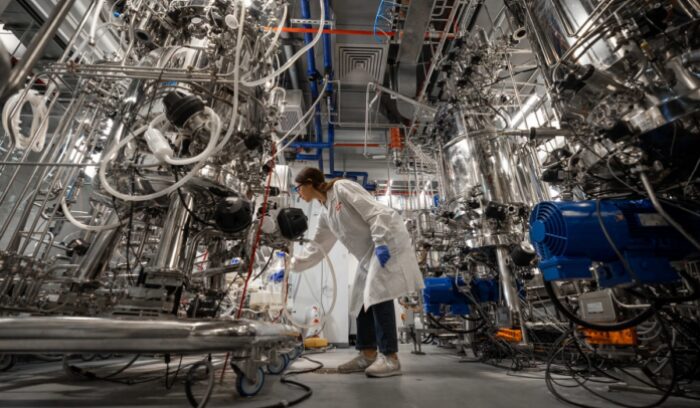
The factory will have the capacity to produce 1,100 lb of cultured chicken, pork and lamb each day, which is equivalent to around 5,000 burgers, and the company says beef products are on the way.

In a bid to meet its stated “carbon free” goals, Volvo is teaming up with Swedish steel manufacturer SSAB and its HYBRIT initiative, which is being called “the industry’s most ambitious and advanced project” in terms of fossil-free steel development.