
Scientists develop a new method for recycling industrial plastic at room temperature in 20 minutes
The researchers at the University of Bath hope the new process will help recycling become less energy intensive, and thus more economically viable.
This archive spans the years 2017 through 2025, a period marked by rapid advances in clean energy, medicine, technology, and social equity. It collects documented breakthroughs, policy wins, and scientific achievements from the present era. If you want evidence that progress is real and ongoing, this is where to look.

The researchers at the University of Bath hope the new process will help recycling become less energy intensive, and thus more economically viable.

Prior to the new law, the Philippines had the second lowest age for sexual consent worldwide, next to Nigeria’s age of 11, according to Child Rights Network.

The law is retroactive, freeing individuals who have been bound by arbitration language to pursue legal action against their harassers.

The crucial resolution will help develop a better understanding of the relationship between improving animal welfare and tackling the drivers of wildlife loss, climate change, pollution and pandemic diseases.

A new kind of milk will soon hit US shelves, but it isn’t some plant-based product designed to resemble dairy milk. Instead, it is made from whey proteins produced by microflora engineered.

Australian mining company Fortescue is looking to reduce the carbon footprint of its operations by allowing a specially designed electric “Infinity Train” to roll down a hill to recharge its massive batteries.
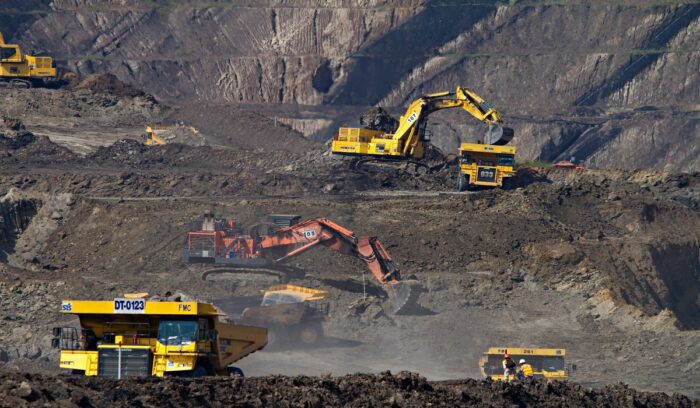
The government is no longer granting environmental permits for open-pit mining projects, the Ministry of Energy, Natural Resources, Environment and Mines. It also plans to shut down open-pit mines already in operation.

The retail giant currently pays a $15 per hour starting wage but said Monday that it would begin paying workers wages ranging from $15 to $24.

There’s been a shift in policing attitudes overall, with police forces saying that they were moving away from arresting people under this act in favor of more “meaningful solutions.”

MIT spin-off Quaise says it’s going to use hijacked fusion technology to drill the deepest holes in history, unlocking clean, supercritical geothermal energy that can re-power fossil-fueled power plants all over the world.