Modernity (1500 - 1945 C.E.)

This archive spans four centuries of human ingenuity, from the dawn of the printing press and global exploration through the scientific revolution, industrialization, and the upheavals of two world wars. Collected here are the breakthroughs, discoveries, and social advances that shaped the modern world — medicine, governance, technology, and beyond.

Frank Shuman thermal solar plant concept drawing, for article on solar thermal power

Frank Shuman’s solar thermal power plant proves the sun can run the world

Solar power ran industrial machinery in Egypt in 1913, when American inventor Frank Shuman built the world’s first solar thermal station beside the Nile. His parabolic mirrors pumped 6,000 gallons of water a minute onto cotton fields, no fuel required. Cheap oil buried the idea for sixty years — until engineers rediscovered his design after the 1973 oil crisis.

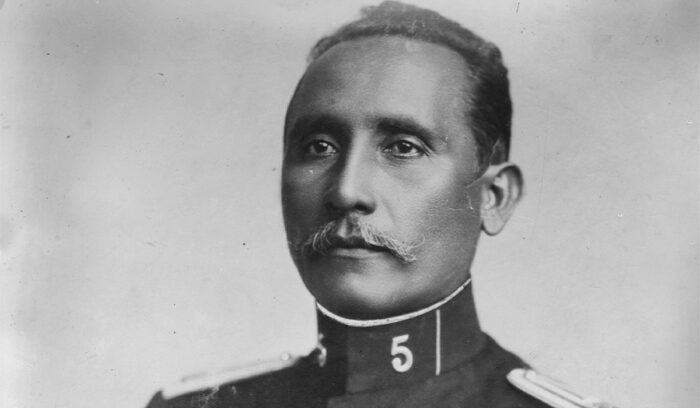
Cândido Rondon, for article on indigenous protection Brazil

Brazil’s Serviço de Proteção aos Índios gives Indigenous peoples legal protection

Indigenous protection in Brazil took its first formal shape on June 20, 1910, when the government created the Serviço de Proteção aos Índios, the Americas’ first federal agency tasked with shielding Indigenous peoples from settler violence. Its leader, Cândido Rondon, instructed agents entering uncontacted territory unarmed: “Die if you must, but never kill.”

Poster for China's New Culture Movement, for article on New Culture Movement

China’s New Culture Movement challenges Confucianism, champions democracy

New Culture Movement thinkers in 1915 Shanghai launched a magazine that would reshape modern China. Chen Duxiu’s New Youth called for “Mr. Science” and “Mr. Democracy” to replace Confucian tradition, while Hu Shih urged writers to abandon classical Chinese for the language people actually spoke. Four years later, those ideas spilled into the streets.

Mau demonstration in Apia, for article on mau movement samoa

Samoa’s Mau movement rises to demand self-rule from colonial powers

The Mau movement rose in Samoa in the early 1900s, a non-violent independence struggle rooted in traditional chiefly leadership and the motto “Samoa for the Samoans.” Even after Black Saturday in 1929, when New Zealand police killed up to 11 marchers in Apia, the movement held to peaceful resistance — a patience that helped carry Samoa to independence in 1962.

image for article on NAACP founding

An interracial coalition founds the NAACP to advance Black civil rights in America

The NAACP was founded on February 12, 1909, Lincoln’s 100th birthday, when more than 60 activists, journalists, and scholars gathered in New York after the Springfield race riot shook the nation. Black leaders like W.E.B. Du Bois and Ida B. Wells joined white allies in an interracial coalition, building a legal and organizing model that would shape civil rights work for over a century.