
Robert Moog invents the world’s first commercial musical synthesizer
In 1964, Moog began creating the Moog synthesizer. The synthesizer was composed of separate modules which created and shaped sounds, connected by patch cords.

In 1964, Moog began creating the Moog synthesizer. The synthesizer was composed of separate modules which created and shaped sounds, connected by patch cords.
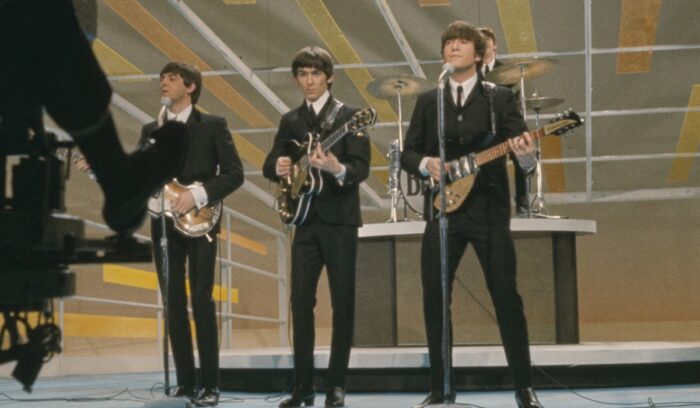
It is estimated that 73 million Americans were watching that night as the Beatles made their live U.S. television debut.

n 1962, when he was 33, the scientist Nick Holonyak, Jr., created the first practical visible light-emitting diode. At GE, they called it “the magic one.”

Maiman’s laser led to the subsequent development of many other types of lasers. The laser was successfully fired on May 16, 1960.
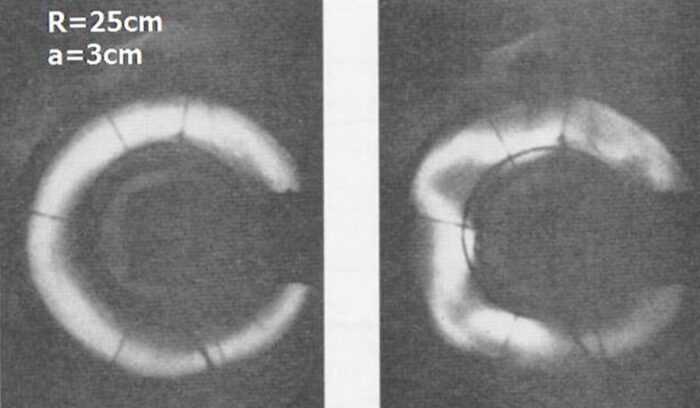
The team that achieved it was led by a British scientist named James Tuck. After the success of Scylla-1, Los Alamos went on to build multiple pinch machines over the next few years.

Carson began her career as an aquatic biologist in the U.S. Bureau of Fisheries, and became a full-time nature writer in the 1950s. Her widely praised 1951 bestseller The Sea Around Us won her a U.S. National Book Award. Its success prompted the republication of her first book, Under the Sea Wind (1941), in 1952, which was followed by The Edge of the Sea in 1955 — both were also bestsellers. The sea trilogy explores the whole of ocean life from the shores to the depths and is credited with inspiring a major shift in public awareness on marine conservation.

With roots starting in the Reconstruction era during the late 19th century, the movement resulted in the largest legislative impacts after the direct actions and grassroots protests organized from the mid-1950s until 1968.

Many argue that this event marks the true invention of PV technology because it was the first instance of a solar technology that could actually power an electric device for several hours of a day.
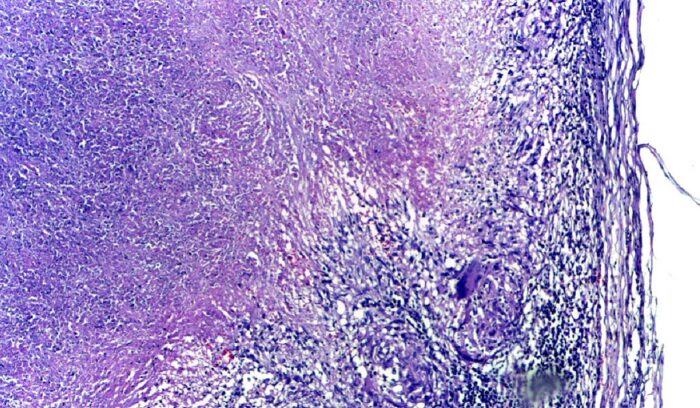
Streptomycin is now on the World Health Organization’s List of Essential Medicines. The World Health Organization classifies it as critically important for human medicine.
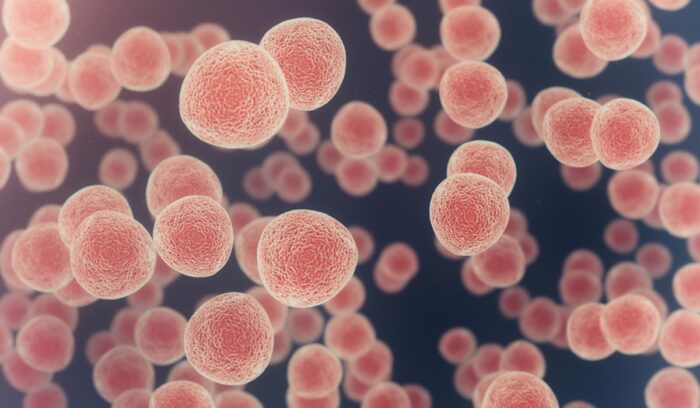
In collaboration with thoracic surgeon Gustaf Lindskog, the two doctors from Yale School of Medicine injected the chemical mustine into a patient with non-Hodgkin’s lymphoma. In a monumental moment for the field of medicine, the patient, a Polish immigrant to Connecticut known in literature only as JD, experienced a dramatic reduction in his tumor masses, paving the way for millions of future patients who would benefit from the therapy in the years and decades to come.