United States

This archive collects solutions-journalism stories and milestones from the United States — covering policy wins, community-led efforts, scientific advances, and social progress happening across the country. Each entry highlights what’s working and why it matters.

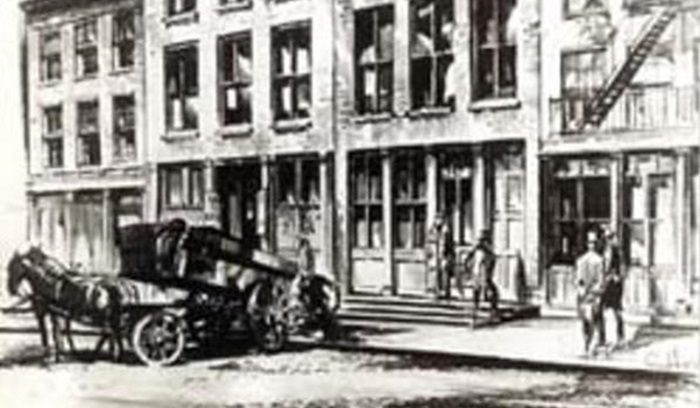
Drawing of Thomas Edison's Pearl Power Station, New York

Thomas Edison establishes the world’s first commercial power plant

Pearl Street Station located in Manhattan and established by Thomas Edison’s Edison Illuminating began with six 100 kW dynamos, and it started generating electricity on September 4, 1882, serving an initial load of 400 lamps to 82 customers. By 1884, Pearl Street Station was serving 508 customers with 10,164 lamps. The station burned down in 1890. It was rebuilt, and ran till 1895, when it was decommissioned, since larger and more efficient plants had been built nearby.

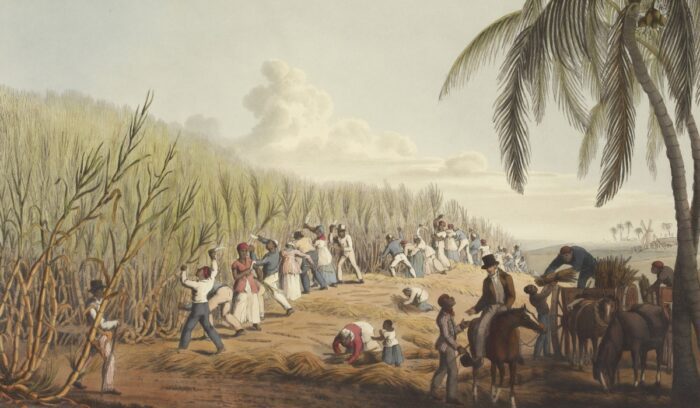
Illustration of slaves working the fields|Cornell University, for article on emancipation proclamation

Lincoln issues the Emancipation Proclamation, freeing enslaved people in rebel states

The Emancipation Proclamation took effect on January 1, 1863, when President Lincoln declared enslaved people in rebelling Confederate states legally free. Between 25,000 and 75,000 were liberated immediately in Union-held areas, with millions more as federal forces advanced. It reframed the Civil War as a fight against slavery and opened the path to the 13th Amendment.

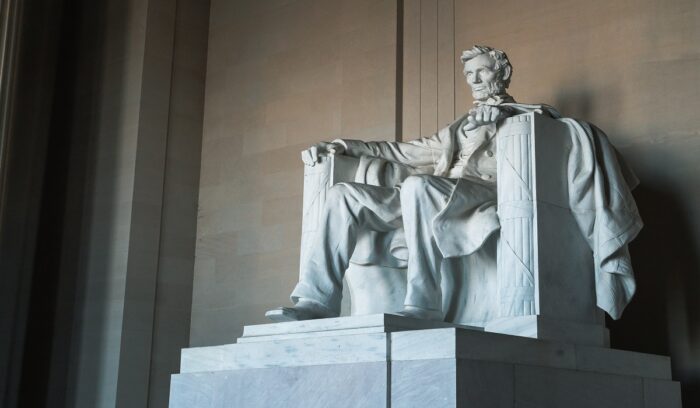
Lincoln Memorial, for article on emancipation proclamation

Lincoln issues Emancipation Proclamation, reshaping the Civil War’s purpose

The Emancipation Proclamation took effect on January 1, 1863, after Lincoln’s preliminary announcement the previous September declared enslaved people in rebelling Confederate states “forever free.” It freed no one immediately, but it redefined the Civil War as a fight against slavery and opened Union ranks to Black soldiers — nearly 200,000 enlisted before the war’s end.

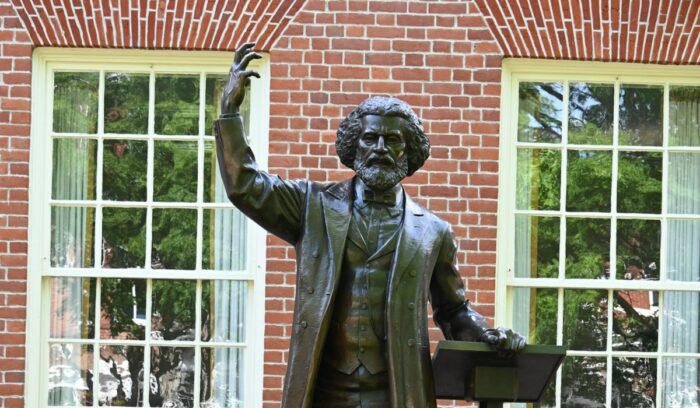
image for article on Frederick Douglass memoir

Frederick Douglass publishes his memoir, galvanizing the U.S. abolition movement

Frederick Douglass’s memoir landed in American bookstores on May 1, 1845, just seven years after its author had escaped slavery. The slim volume sold 5,000 copies in four months and reached nearly 30,000 by 1860, carrying his precise, literary voice far beyond the abolitionist lecture circuit. It remains among the most widely read firsthand accounts of American slavery ever written.