
Revolutionary new photoimmunotherapy lights up and wipes out cancer cells
Experts are predicting that this new photoimmunotherapy will be the world’s fifth major cancer treatment following surgery, chemotherapy, radiotherapy, and immunotherapy.
This archive gathers solutions-journalism stories and milestones from the United Kingdom — covering health, climate, policy, and social progress. Each entry highlights real, reported advances from across England, Scotland, Wales, and Northern Ireland.
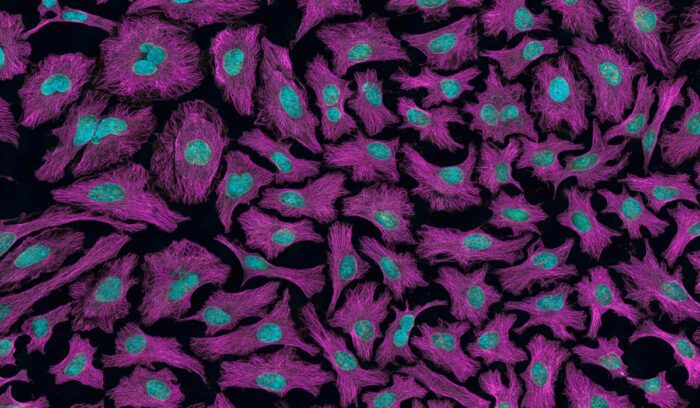
Experts are predicting that this new photoimmunotherapy will be the world’s fifth major cancer treatment following surgery, chemotherapy, radiotherapy, and immunotherapy.

Clerkenwell Health’s opening marks a turning point for psychedelic medicine, moving it from university labs into dedicated commercial infrastructure built to carry promising compounds through late-stage clinical trials. The clinic’s first focus is patients facing terminal diagnoses — a population where conventional treatments often fall short, and where earlier psilocybin studies showed lasting reductions in anxiety and depression after just one or two sessions. By serving multiple drug developers at once, the facility could meaningfully accelerate how quickly different psychedelic compounds reach the people who need them. It’s a signal that this field is ready to scale.

This crime is a huge problem in Northern Ireland, with statistics showing an instance of abuse occurs every 17 minutes in the country.

Protected and endangered species including hedgehogs, birds, bats, and pet cats have been known to sustain injuries in glue traps, many of which are fatal.

The landmark findings from a massive study of more than 12,000 cancer patients offer researchers a trove of new resources to guide future studies on tailored cancer treatments.

Scotland’s reforestation story just keeps growing: tree cover has tripled over the past century, climbing from under 6 percent of the country’s land to roughly 18 percent today. That’s close to forest levels not seen since medieval times. Behind the numbers are decades of work by government agencies, private landowners, and rewilding groups like Trees for Life, who’ve been steadily replacing fast-growing conifer plantations with native species like Scots pine, birch, and oak. Public enthusiasm is striking too — around 80 percent of Scots backed Highland reforestation in a 2021 survey. Scotland’s recovery is a hopeful reminder that landscapes stripped bare over centuries can begin healing within a single lifetime, when communities decide they want them back.

The new study led by researchers from Imperial College London found that people also reported a reduction in their depression symptoms alongside these brain changes.

Starting in 2023, anyone driving a vehicle with high tailpipe emissions within London city limits will have to pay the £12.50 a day.

The Welsh government has hailed the policy change as a ‘historic moment’ for children’s rights amid calls for England to follow suit.

The researchers at the University of Bath hope the new process will help recycling become less energy intensive, and thus more economically viable.