
Indian government bans the manufacture, sale, and use of several single-use plastic items
The ban goes into effect in July 2020 and includes ear buds, plastic flags, candy sticks, ice-cream sticks, plates, cups, glasses, cutlery, and much more.
This archive collects solutions-journalism stories and milestones from India — covering health, environment, education, technology, and social progress. Each entry highlights real developments and the people behind them.

The ban goes into effect in July 2020 and includes ear buds, plastic flags, candy sticks, ice-cream sticks, plates, cups, glasses, cutlery, and much more.
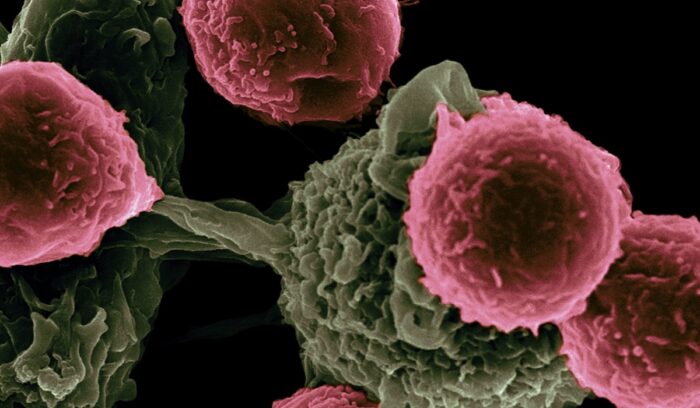
The new study, led by Dr. Sagar Sengupta from the National Institute of Immunology has however found a novel way to identify the disease as early as stage 1 through his lab’s work on microRNAs

130 countries around the world — including, crucially, China and India — agreed on a 15% minimum corporate tax rate to combat tax dodging. Any profitable firm with revenues over $24 billion will be included from the start, with that number expected to decline to $12 billion in time.

In a groundbreaking judgment on the rights of the LGBTQIA+ community, the Madras High Court on Monday, June 7, issued guidelines for creating a safe environment for LGBTQIA+ persons and to ensure that they are not harassed by the police.

The landmark ruling, called the the Uttarakhand Zamindari Abolition and Land Reforms Act, is set to affect some 350,000 women who manage properties alongside, or in the absence of their husbands.

Energy think tank Ember reports that the share of coal-based electricity in India has been on the decline since 2018.

Solar power currently makes up just 4% of the nation’s power supply, but it is set to grow 18-fold and become the new “king of India’s generation fleet” by at least 2040.

Each new sustainable building tile contains at least 70 percent waste material and is the equivalent of cleaning 30,000 liters of air, the company website said.

For perspective, that is almost as much solar as is currently installed in the entire United States.

In 2019, the levels of anthropogenic SO2 emissions fell worldwide by 6%. In only the second time ever, SO2 emissions fell in all three of the countries most responsible for emitting it: China, India, and Russia.