
Germany returns stolen colonial treasures to Namibia
The decision is part of reparations for a period of colonial rule during which Germany committed a genocide against the Namibian people.
This archive collects solutions-journalism stories and milestones from Germany — covering advances in renewable energy, public health, social policy, science, and more. Each entry highlights real progress reported from or about the country.

The decision is part of reparations for a period of colonial rule during which Germany committed a genocide against the Namibian people.

The legislation effectively removes the renewable levy added to power bills and as a result, an average German family can look forward to saving approximately 300 euros per year.

Locked-in syndrome is a rare condition that makes it impossible for the patient to move or speak, but are still conscious and can see, hear, and smell.

German startup Sono Motors has announced that 37 prototypes are being produced to take its solar EV family through validation and certification, ahead of planned production in 2023.

Economy Minister Robert Habeck has described the accelerated capacity expansion for renewable energy as a key element in making the country less dependent on Russian fossil fuel supplies.

If successful, the plan will add up to 10 gigawatts of new onshore wind capacity every year for the rest of the decade.

Since 2015, Belgium, Luxembourg, Canada, New Zealand, Spain, the Netherlands, Colombia, Germany, Austria, Portugal, five Australian states, ten American states, and D.C. have legalized assisted dying.

Tessa Ganserer and Nyke Slawik from the Greens part have made history in Germany as the first transgender women to win parliamentary seats in the recent national election.

The Compact calls on nations to halt the construction of unabated coal-fired power generation projects by the end of this year. Initial signatories include Sri Lanka, Chile, Denmark, Germany, Montenegro, France, and the U.K.
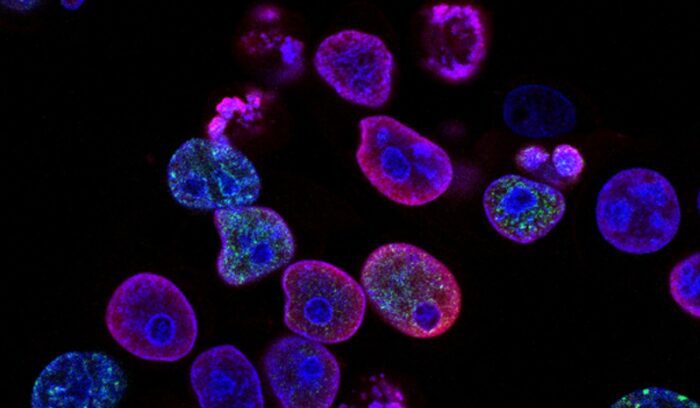
BioNTech, the German company that developed Pfizer’s covid-19 vaccine, is now testing whether mRNAs can treat cancer in humans. The treatment has already completely shrunk tumors in mice.