
Sydney announces 100% renewable energy by 2050 target
Sydney will purchase only 100% renewable energy that’s generated by wind or solar starting next year.
This archive collects solutions-journalism stories and milestones from Australia — covering advances in conservation, public health, Indigenous rights, clean energy, and more. Each entry highlights progress worth knowing about.

Sydney will purchase only 100% renewable energy that’s generated by wind or solar starting next year.

Australia is adding one mega-solar project equivalent per month, with the current installed base of 10 gigawatts projected to double by the end of 2020. The latest mega-solar project is a 333 MW project in Griffith, New South Wales.

The massive 5100-acre solar farm will be built in three 500 MW sections with 500 MWh of battery storage.

The government estimates that the project, which will run until 2050, will eventually remove 18 million tons of greenhouse gases per years.

“2018 will go down as the year that fossil fuels began an inexorable decline in Australia’s electricity supply.”

When Australia’s two largest supermarket chains banned plastic bags three months ago, it led to an 80 percent reduction in the country’s overall consumption of plastic bags.

Scientists have launched the largest-ever attempt to regenerate coral on the endangered Great Barrier Reef by harvesting millions of the creatures’ eggs and sperm during their annual spawning.

The 100-megawatt Hornsdale Power Reserve, which was designed by Tesla, has saved over $40 million AUD in annual maintenance costs to the electrical grid.

The majority of the hydrogen produced will be injected into the local gas network for domestic use and demonstrate the potential for renewable hydrogen storage in Australia’s gas network.
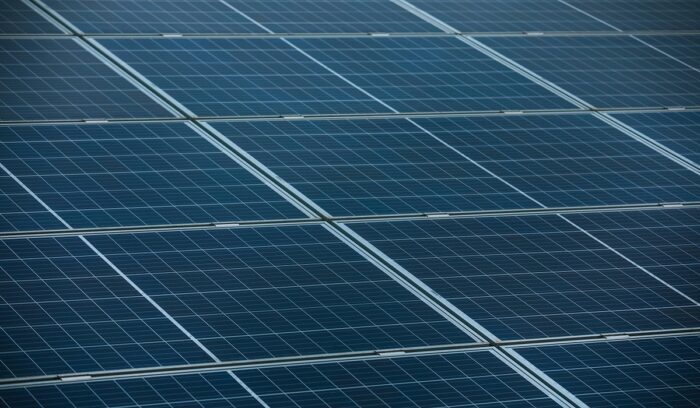
Printable solar cells could quietly rewrite who gets access to clean energy — and how fast. Developed at the University of Newcastle, these paper-thin panels cost under $10 per square meter and can be installed with adhesive tape by a small crew in a single day. The technology is less efficient than silicon and degrades faster, so durability remains an open question any rollout must honestly reckon with. But if the economics hold, solar could shift from a capital investment into something closer to a subscription service — accessible to renters, small businesses, and communities conventional panels have never reached.