
The world’s first floating wind farm is now producing energy in Scotland
Hywind Scotland, situated in Buchan Deep, is the world’s first floating wind farm, with its five six-megawatt turbines now generating electricity.
This archive collects stories about utilities — the electric, water, gas, and public service providers that keep communities running. Coverage spans clean energy transitions, infrastructure upgrades, affordability efforts, and service expansions that signal meaningful progress in how essential resources reach people.

Hywind Scotland, situated in Buchan Deep, is the world’s first floating wind farm, with its five six-megawatt turbines now generating electricity.

Chinese PV manufacturer announced that a 40MW aquaculture project had been grid connected in the flooded coal-mining region of Huainan, China.
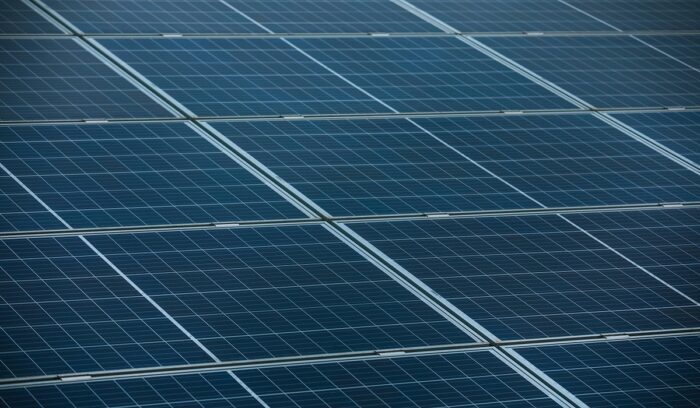
Solar power prices in the U.S. fell roughly 25% in just five months during early 2016, according to Lawrence Berkeley National Laboratory data on utility-scale contracts. That same year, solar was being installed faster than any other electricity source in the country — a quiet turning point in how America generates power.

Renewable energy quietly crossed a threshold in 2015, when solar, wind, and other renewables made up roughly two-thirds of all new power capacity added worldwide, according to an IEA report released the following year. China led the wave, installing more solar and wind than any other country. It was the moment the energy transition stopped feeling hypothetical.

Plastic recycling took an early industrial step in 1972, when a mill opened in Conshohocken, Pennsylvania, betting that discarded plastic could be reclaimed instead of buried. Workers sorted resins by hand before shredding, melting, and extruding them into pellets manufacturers could reuse. It was a small, imperfect start to a loop the world is still trying to close.