
Scientists invent device to generate electricity from rain
The City University of Hong Kong researchers say that a single rain droplet can briefly generate 140 volts, enough to briefly power 100 small lightbulbs.

The City University of Hong Kong researchers say that a single rain droplet can briefly generate 140 volts, enough to briefly power 100 small lightbulbs.

Scientists for the first time have developed a single molecule that can absorb sunlight efficiently and act as a catalyst to transform solar energy into hydrogen, a clean alternative to fossil fuels.

Seventy-eight of the U.K.’s 154 public universities have joined the divestment campaign, either divesting or pledging to divest hundreds of millions from the fossil fuel industry.
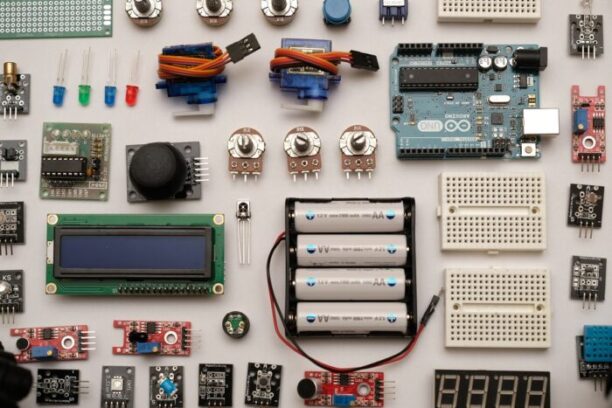
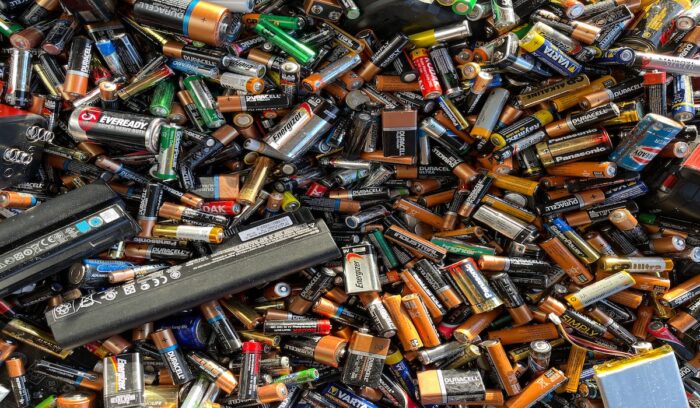
Scientists at Monash University in Australia have developed a battery with a capacity five times higher than that of lithium-ion batteries that could lead to drastically cheaper electric cars and grid energy storage.
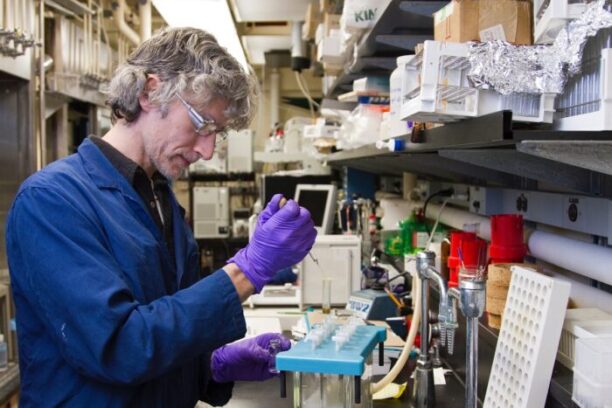
A new treatment developed by Tel Aviv University could induce the destruction of pancreatic cancer cells, eradicating the number of cancerous cells by up to 90% after two weeks.

The system will give people suffering from epilepsy warning that a seizure is imminent, enabling them to take medication—or alert a friend, relative or medical professional.

Melanoma is the fifth most common cancer in the UK and kills nearly 2,300 people each year. Doctors said this new intervention marked an extraordinary and rapid transformation in care.
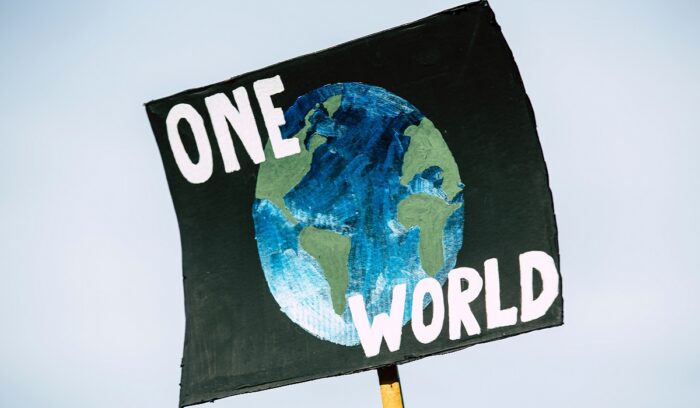
More than 2,000 scientists from more than 40 countries wrote in an open letter that “solid, incontrovertible evidence” supports climate campaigners’ grave concerns.

Harvard University and Massachusetts General Hospital (MGH) have developed a method to preserve livers for 27 hours, using a super-cooling method which ‘freezes’ the organ at -4C.
The catalytic reactor developed by Rice University uses carbon dioxide as its feedstock and produces formic acid that will help to promote carbon dioxide conversion technologies.