
Pitzer launches US’ first bachelor’s program for incarcerated individuals
Called the Pitzer Inside-Out Pathway-to-BA, the program uses virtual learning to welcome incarcerated individuals into the classroom with other university students.

Called the Pitzer Inside-Out Pathway-to-BA, the program uses virtual learning to welcome incarcerated individuals into the classroom with other university students.
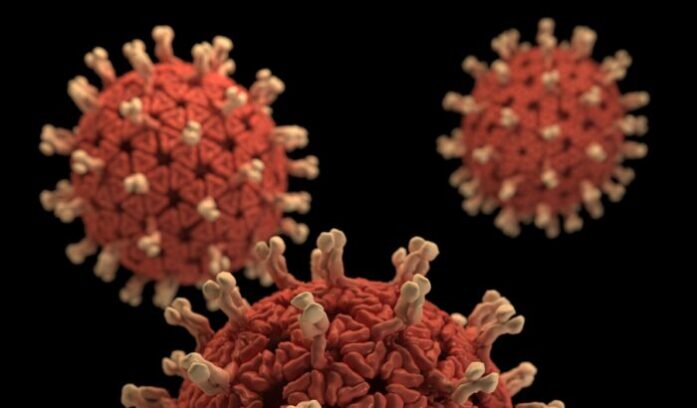
The Phase 1 trial, led by researchers from the Icahn School of Medicine at Mount Sinai, found this experimental vaccine to be both safe and effective at generating a long-term immune response in a small number of healthy adults.

The new study reports the addition of MDMA to the couples therapy protocol resulted in effects that were, “on par with, or greater than, those achieved with CBCT [cognitive-behavioral conjoint therapy] alone.”

A first-of-its-kind exploratory study, led by researchers from Yale School of Medicine, has found a single dose of the psychedelic psilocybin can reduce migraine frequency by 50 percent for a least two weeks.
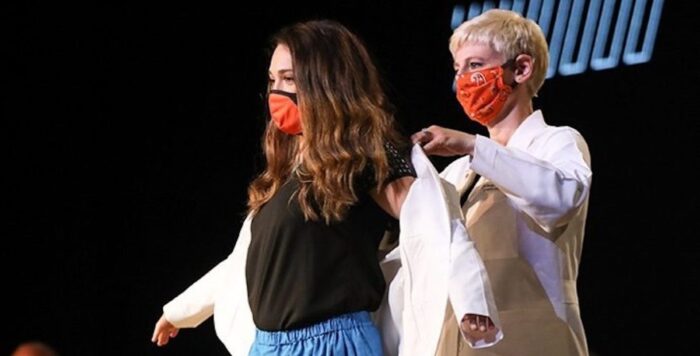
In rural Oklahoma, a brand new medical school sits in the Cherokee Nation, training Nation members to become physicians at Nation clinics. Oklahoma State University College of Osteopathic Medicine at the Cherokee Nation is the first tribally associated medical school in the country.

Sarah Fuller is the starting goalkeeper for the Vanderbilt women’s soccer team, but last Sunday she took on a different athletic role for the school as she became the first woman to play in a Power 5 Conference college football game.

The recent development, promises to be a huge boost to the annual fight against the seasonal flu, as plants can be engineered to produce viral proteins and cultivated at scale.

The US Food and Drug Administration (FDA) set a minimum effectiveness bar for COVID-19 vaccines at 50% for drugs seeking approval. This is the first COVID-19 candidate vaccine to produce data exceeding that mark.
After the team from MIT trained its model on tens of thousands of cough and dialog samples, the technology recognized 98.5 percent of coughs from people with confirmed COVID-19 cases. It identified 100 percent of people who were ostensibly asymptomatic, too.
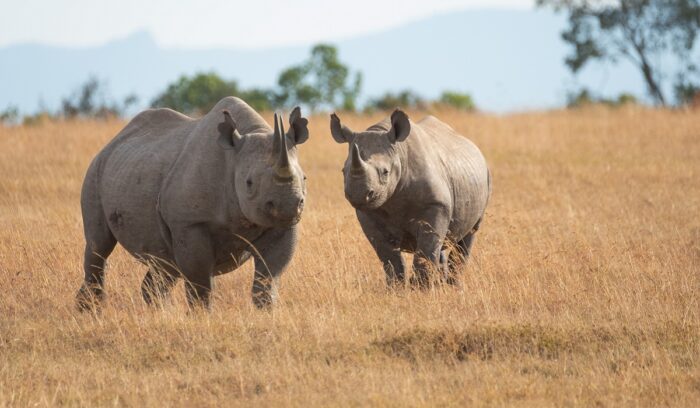
Modern sensors have given conservationists a powerful new tool in the fight against poaching. A new research project at the University of Twente could harness this technology in yet another useful way, by mixing motion sensors with machine learning to recognize when wildlife is responding to a nearby threat.