Nations

Woman putting organic waste in the compost bin

France implements compulsory composting

As of January 2024, municipalities in France must now provide residents with ways to sort bio-waste, which includes food scraps, vegetable peels, expired food and garden waste. Households and businesses are required to dispose of organic matter either in a dedicated small bin for home collection or at a municipal collection point. The waste will then be turned into biogas or compost to replace chemical fertilizers.

Traffic in a Chinese city

25% of new car sales in China were fully electric in 2023 for the first time ever

Electric vehicles sales in China, the world’s largest automotive market, are surging. All plugin models accounted for 37% of the market in 2023, up from just 6% at the end of 2021. Full electrics (BEVs) alone accounted for 25%. Plugins are expected to cross the 50% mark for plugins and electric by 2026, with BEVs likely to account for over a third of sales, if current trends persist.

Empty office desk and chairs

Germany launches large four-day workweek trial

In February, 45 companies and organizations in Europe’s largest economy will introduce a 4-day workweek for half a year. Employees will continue to receive their full salary. Advocates argue that a 4-day workweek would increase worker productivity and, by consequence, help alleviate the country’s skilled labor shortage.

Streets of Palau Koror and coves of coral reefs

Palau is the first nation to ratify treaty to protect high seas

Palau has become the first nation to ratify the high seas treaty, a legally binding international agreement that seeks to protect and manage ocean areas beyond national jurisdiction. Other countries, including Chile and the Maldives, are engaged in their ratification processes, pushing the treaty closer to becoming international law. The establishment of the high seas treaty has been under debate for nearly two decades, but U.N. member states finally reached a consensus to approve the treaty in March 2023.

Cosmetics

E.U. will force cosmetic companies to pay to reduce micropollutants

Under draft rules that follow the “polluter pays principle”, companies that sell medicines and cosmetics will have to cover at least 80% of the extra costs needed to get rid of tiny pollutants that are dirtying urban wastewater. Governments will pay the rest, members of the bloc said, in an effort to prevent vital products from becoming too expensive or scarce.

Lionesses and cubs

Belgium bans import of hunting trophies from endangered species

Before the ban, Belgium allowed the import of trophy species vulnerable to extinction such as hippopotamus, cheetahs and polar bears. The new law will stop the import of hunting trophies from many species currently at risk of extinction or that could be threatened unless trade is limited. The bill will protect all species listed in the European Regulation on the protection of species of wild fauna and flora.

Desert landscape at sunset

Mexico announces 20 new protected areas covering more than 5 million acres of land

Mexico’s government recently announced the creation of 20 new protected areas across 12 states and two coastal areas in the country, covering roughly 5.7 million acres. Officials introduced four new national parks, four “flora and fauna protection areas,” seven sanctuaries, two biosphere reserves and three “natural resources protection areas” under the protection of the National Commission of Protected Natural Areas.

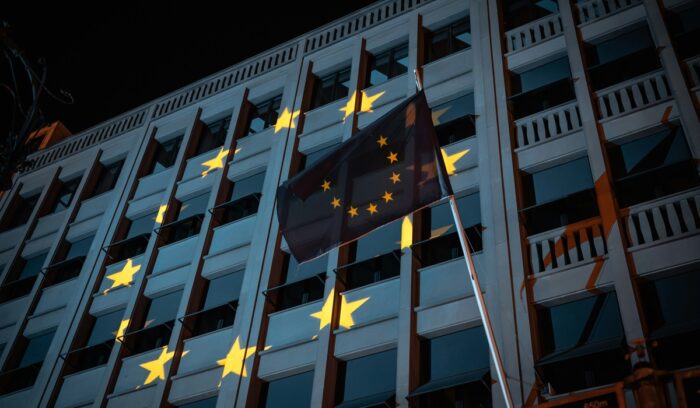
EU flag at night

E.U. fossil fuel CO2 emissions hit 60-year low

The European Union pumped out 8% less carbon dioxide from the fossil fuels it burned in 2023 than it did in 2022, pushing these emissions down to their lowest level in 60 years. The fall is the steepest yearly drop on record behind 2020, when governments shuttered factories and grounded flights to stop the spread of Covid-19, according to analysis from the Centre for Research on Energy and Clean Air.

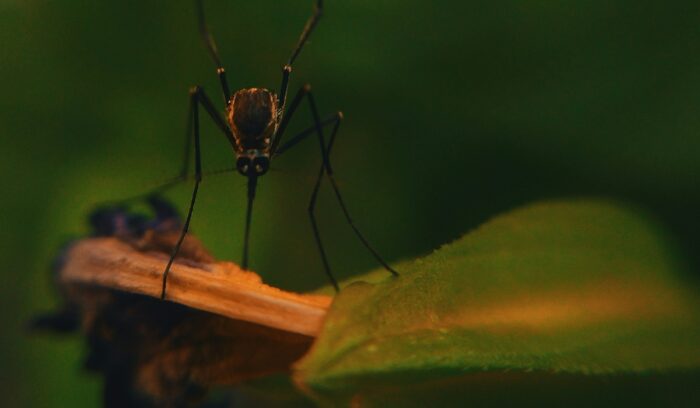
Mosquito

Historic malaria vaccine rollout begins in Cameroon

The rollout of the world’s first malaria vaccine has begun in Cameroon, which is said to usher in a “transformative chapter in Africa’s public health history”. The RTS,S vaccine – 662,000 doses of it – will be administered to children in the west African country, the first to be vaccinated after successful trials of the drug in Ghana, Kenya, and Malawi between 2019 and 2021.

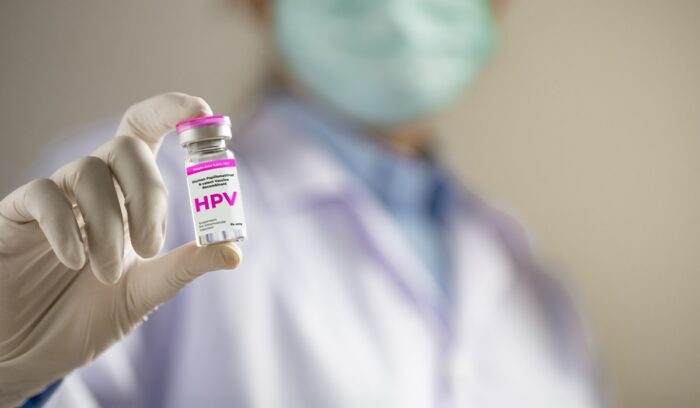
Doctor holding vial of HPV vaccine

No cervical cancer cases in HPV-vaccinated women in Scotland

A new study from Public Health Scotland has found that no cases of cervical cancer have been detected in young women who have been fully-vaccinated as part of the HPV immunization program, concluding that the vaccine was “highly effective” in preventing the development of the cancer. Scotland’s HPV vaccination program started in 2008 with girls offered the vaccine in their first year at secondary school.