Civil society

Creek flowing

‘NATURE’ becomes an official streaming artist to raise millions for conservation

Through the new “Sounds Right” project, ‘NATURE’ itself is registered as a streaming artist on major music streaming services like Spotify and Apple Music. This allows the Earth’s audio cameos to bring in money for protecting the environment worldwide. Streaming royalties earned by ‘NATURE’ will be collected by the EarthPercent conservation nonprofit, which hosts the Sounds Right Conservation Fund. The money will go to rights-based projects that focus on the world’s most biodiverse and threatened regions.

Mosquito on a leaf

New types of mosquito bed nets could cut malaria risk by up to half, trial finds

Nets treated with two types of insecticide rather than one were trialed in 17 African countries where malaria is endemic between 2019 and 2022. During clinical trials when a net was coated with the insecticides pyriproxyfen or chlorfenapyr, alongside pyrethroid, malaria transmissions were reduced by between 20% and 50%. More than 600,000 people died from malaria in 2022 and 249 million people were infected, according to the latest data from the World Health Organization.

Indigenous person from Kogui people of Colombia

New online tool is first to track funding to Indigenous, local, and Afro-descendant communities

The Path to Scale dashboard, developed in a partnership between the Rights and Resources Initiative (RRI) and the Rainforest Foundation Norway (RFN), provides information on funding from 133 donors since 2011 based on publicly available information. According to the developers, this publicly accessible dashboard will help donors, NGOs and rights holders identify critical funding gaps and opportunities in global efforts to secure communities’ rights.

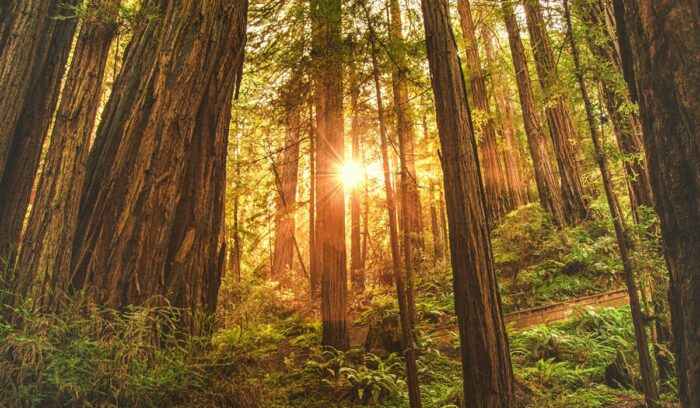
Redwoods with sun shining through

Yurok Tribe becomes the first to manage land with U.S. National Park Service

California’s Yurok Tribe, which had 90% of its territory taken from it during the gold rush of the mid-1800s, will be getting a slice of its land back to serve as a new gateway to Redwood national and state parks visited by 1 million people a year. The Yurok will be the first Native people to manage tribal land with the National Park Service under a historic memorandum of understanding signed by the tribe, Redwood national and state parks, and the non-profit Save the Redwoods League.

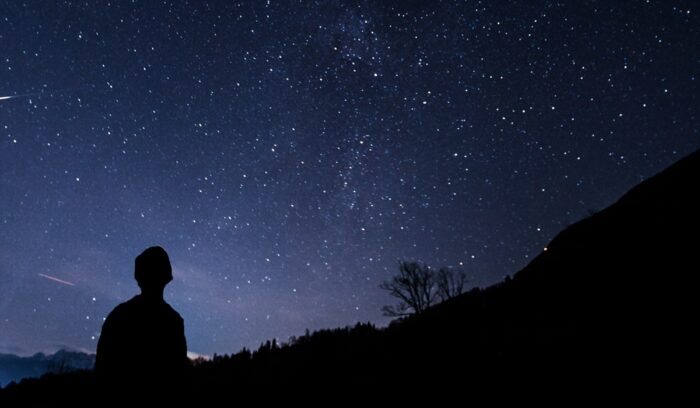
Silhouette of person looking at stars

Oregon area named world’s largest dark sky sanctuary

The Oregon outback is now home to the world’s largest dark sky sanctuary, offering pristine views of the night sky across 2.5 million acres. The Oregon outback international dark sky sanctuary received the certification this week, becoming the largest of 19 sites around the world with the same designation. The sanctuary covers Lake County in south-eastern Oregon, a remote area roughly half the size of New Jersey, and could eventually expand to include more than 11 million acres.

Young trees

The TREES program has planted tens of millions of trees across Africa since 2015

Since it was founded in 2015, the Trees for the Future (TREES) mass reforestation campaign has convinced and enabled thousands of farmers to plant tens of millions of trees every year. The program spans nine African countries ranging from Senegal and Mali to Tanzania and Kenya. In less than 10 years, it has reportedly restored a combined area of more than 41,000 hectares, which is about seven times the size of Manhattan.

Satellite over Earth

New satellite pinpoints global methane pollution in real-time

MethaneSAT, developed by the Environmental Defense Fund in partnership with the New Zealand Space Agency, is the size of a washing machine and cost $88 million to build and launch. While part of its mission is to spot polluters, the other side of the coin is that it can verify that others are indeed managing those emissions in a responsible fashion. Stemming methane leaks is the fastest single way to curb the escalation of average global temperatures, according to The Guardian.