
Swiss startup Innolith claims 1000 Wh/kg battery technology breakthrough
1000 Wh/kg batteries would theoretically allow an electric car to travel 600 miles or more on a single charge.
This archive collects stories about businesses making measurable progress on social, environmental, and economic challenges. From small enterprises to global companies, these 661 articles highlight what the private sector is doing right — and what’s possible when profit and purpose align.
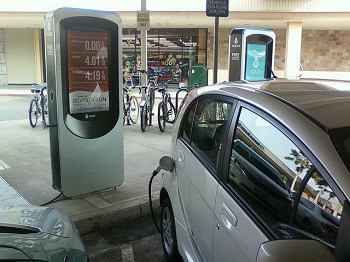
1000 Wh/kg batteries would theoretically allow an electric car to travel 600 miles or more on a single charge.

IKEA claims it is “on track” to achieve 100% by 2030 but will need to work with industry to spur the creation of larger supply chains for recycled materials such as wood, plastic and fabrics.
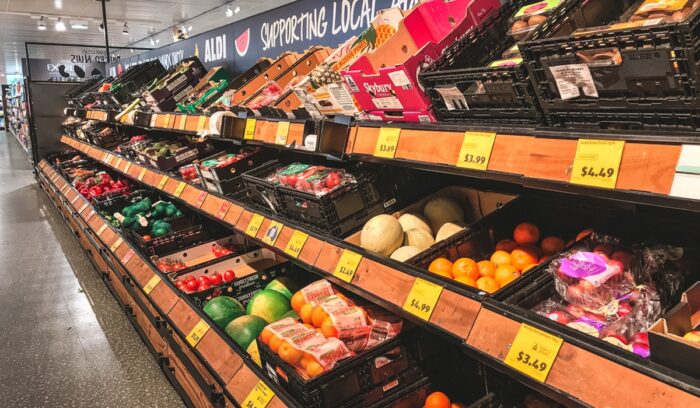
The move follows growing customer demand for less plastic and more sustainable packaging in Trader Joe’s stores; a change.org petition on the subject amassed over 80,000 signatures in two months.

Arla Foods have revealed ambitions to reduce greenhouse emission on dairy farms by 30% per kilo of milk over the next decade, with a goal of carbon net zero by 2050.

Honda revealed their ambition to make 100% of its European sales electrified by 2025. This has built on the vehicle manufacturer’s previous goal of two thirds electrified by 2025.

The Salem Red Sox, the organization’s Class A affiliate, announced that their booth will feature professional baseball’s first all-female broadcast team this season. Melanie Newman and Suzie Cool will debut together on April 23.

A Switzerland-based startup called CRISPR Therapeutics just used gene-editing name to treat someone with the blood disease beta thalassemia. It marks the first time CRISPR gene editing has been used in a Western clinic.

The company just published a blog post about the initiative, which it’s calling Shipment Zero. The proposal is scarce on tangible details, but the retail giant did commit to making half its shipments carbon neutral by 2030.

The Royal Society and Royal Academy of Engineering have estimated that Drax could capture 50 million tonnes of carbon per year by 2050 – about half the nation’s emissions target.

The show designed by an NGO to promote sexual health and family planning. It now has over 400 million viewers from over 50 countries.