
Holiday Inn dropping personal shampoo bottles to cut waste
Instead of using mini shampoo bottles, all of its more than 840,000 guest rooms will use bulk-size bathroom amenities.
This archive collects stories about businesses making measurable progress on social, environmental, and economic challenges. From small enterprises to global companies, these 661 articles highlight what the private sector is doing right — and what’s possible when profit and purpose align.

Instead of using mini shampoo bottles, all of its more than 840,000 guest rooms will use bulk-size bathroom amenities.

Inditex, the company that owns high street fashion brand Zara, announced that all clothing will be made from 100% sustainable materials by 2025.
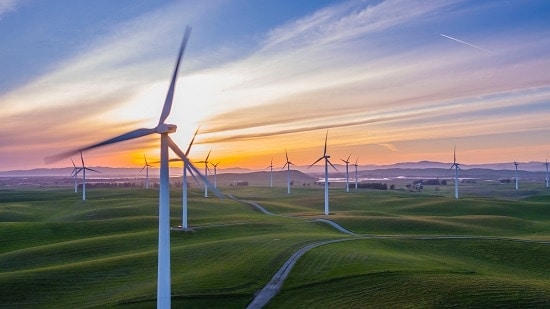
German electric utility E.ON has transitioned all of its 3.3 million residential customers in Britain to 100% renewable electricity at no extra cost.

The plastic-free initiative was initiated in 2018, with the company replacing five single-use plastic products across its domestic services.

“We know it will degrade in a marine environment within six months, which, compared to the flow wrap that it’s currently in, it’s about 450 years.”

The U.K. retail company’s Annual General Meeting 2019 saw 98% of Co-op Members vote in favor to take action against the climate crisis.

Lightyear’s solar-powered EV boasts a range of 450 miles on a single charge – far more than the 370 miles of Tesla’s market-leading Model S.
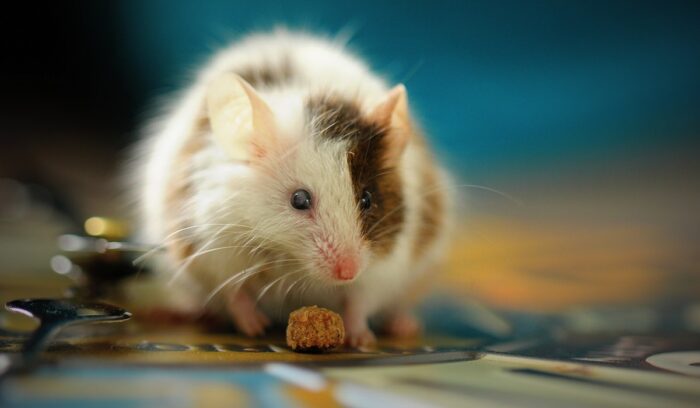
The Estée Lauder Companies will team with the Humane Society International in efforts to end cosmetic animal testing across the globe.

IRENA reported that 11 million people were employed in the global renewable energy industry in 2018, up 6% from 2017.
Target, the eighth largest retailer in the U.S., has committed to 100% renewable energy by 2030, including all domestic stores, distribution centers, and offices.