Ikea bans all single-use plastic from its stores and restaurants
The Swedish furniture giant said it will stop selling single-use plastic products like straws, plates, cups, freezer bags, garbage bags, and plastic-coated paper plates and cups.
This archive collects stories about businesses — from startups and local enterprises to multinational corporations — taking meaningful action on social, environmental, and economic challenges. These reports highlight moments when commerce and accountability intersect in constructive ways.
The Swedish furniture giant said it will stop selling single-use plastic products like straws, plates, cups, freezer bags, garbage bags, and plastic-coated paper plates and cups.
Under the new sustainability scheme – which will cost the company $1 billion over 10 years – all the cocoa it buys will be responsibly sourced by 2025, the parent company of M&Ms, Snickers, and Twix said.
Greenpeace, which has long pressured the palm oil giant to monitor its suppliers across all of their operations, hailed the move as a “potential breakthrough.”
The 100-megawatt Hornsdale Power Reserve, which was designed by Tesla, has saved over $40 million AUD in annual maintenance costs to the electrical grid.
Volkswagen’s strategy chief, Michael Jost, told attendees at the Handelsblatt automotive summit conference on Tuesday that the company will launch its last generation of gas-powered cars in 2026.
Royal Dutch Shell caved in to growing investor pressure over climate change, setting out plans to introduce industry-leading carbon emissions targets linked to executive pay.
Italian energy giant Enel has announced its Strategic Plan for the next three years, which includes plans to invest €10.6 billion in new renewable energy capacity with plans to create an additional 11.6 gigawatts (GW).
Some 250 big organisations have now pledged to eradicate plastic waste by 2025, including Coca Cola, H&M and L’Oreal, up from 40 in April.
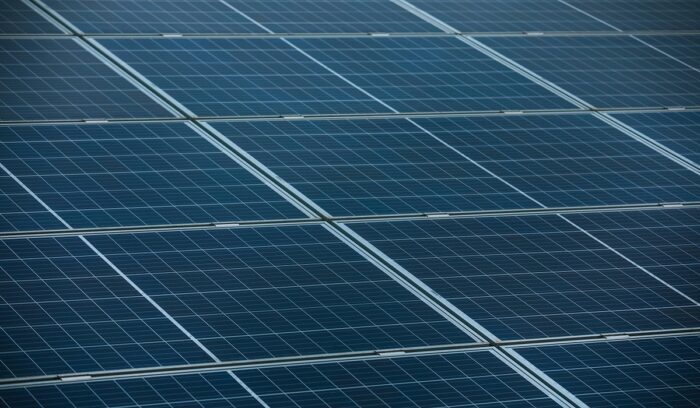
The solar panels are expected to generate the equivalent amount of electricity required to power over 4,500 U.K. homes and will reduce the company’s carbon footprint by 6,000 tonnes of CO2 annually.
A feasibility analysis by the US Department of Transportation (DOT) estimates that Hyperloop routes could be up to six times more energy efficient than air travel on short routes, and over three times faster than the world’s fastest high-speed rail system.