Wildlife & land conservation

Leopard in a tree

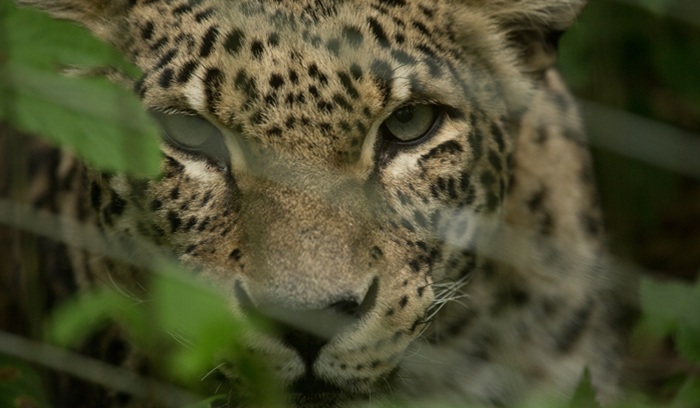
West Coast region of South Africa sees leopard return after 170 years

In a stunning conservation milestone, a Cape leopard has been spotted on South Africa’s West Coast for the first time in over 170 years. The historic sighting, confirmed by camera trap footage, signals a major recovery of the local ecosystem. The return of this apex predator suggests that natural wildlife corridors are reopening and prey populations are rebounding. This event is a powerful testament to the resilience of nature and the success of long-term habitat protection efforts in the region.

Aerial view of river running through rainforest

Bolivia declares its first Indigenous protected area in its Amazon

In a historic victory for conservation and Indigenous rights, Bolivia has designated Loma Santa as the first Indigenous Protected Area in its Amazon region. This landmark decision grants legal authority to the Moxeño Ignaciano, Yuracaré, and Tsimane peoples to manage their ancestral lands. By securing land tenure, the move protects vital rainforest ecosystems from illegal encroachment and deforestation. This model of Indigenous-led stewardship empowers local communities and sets a powerful precedent for environmental justice across the Amazon basin.

People walking through young forest

Congo Basin nations launch historic community payments for forest care initiative

A groundbreaking initiative has launched across the Congo Basin to pay local communities directly for protecting their forests. Supported by the Central African Forest Initiative (CAFI), the program uses mobile technology to transfer funds to farmers who engage in sustainable practices like agroforestry and reforestation. With over $100 million in new funding, this effort aims to scale up conservation across the Democratic Republic of Congo, Gabon, and the Republic of Congo. This model empowers local people as the primary guardians of the world’s second-largest rainforest.

River running through rainforest

Colombia bans all new oil and mining projects in its Amazon

In a decisive victory for the environment, the Colombian government has declared a halt to all future industrial extraction within its rainforest territories. This policy protects 42% of the nation’s territory, immediately stopping hundreds of pending permits. The ban prioritizes biodiversity, water systems, and Indigenous land rights over short-term profit. By shifting focus to a sustainable bioeconomy, Colombia is setting a powerful example of environmental sovereignty for the entire Amazon basin.

Milu deer

China’s milu deer achieves stunning population recovery

The world is celebrating a monumental conservation success: the Pere David’s deer (Elaphurus davidianus) has made a remarkable recovery from near-extinction. This unique species, often called the “milu” or “elaphure,” was saved through decades of dedicated human effort and international cooperation. The global population has rebounded from a low of just 39 individuals to an estimated 8,200 today. This achievement demonstrates the immense power of conservation science and captive breeding programs.

Pangolin

Nigeria passes major new wildlife trafficking law

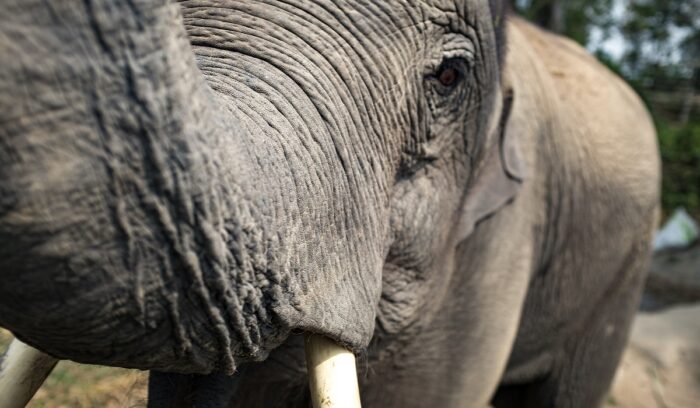
A groundbreaking legal reform in Nigeria has created a strong deterrent against illegal wildlife trafficking. The new law increases penalties, targeting the pervasive trade where shipments of pangolin scales alone have reached staggering weights, such as 51 tons in 2019. This decisive action strengthens national enforcement and the capacity of rangers. It provides crucial protection for endangered species like pangolins and forest elephants, reinforcing the commitment to biodiversity in Nigeria and abroad.

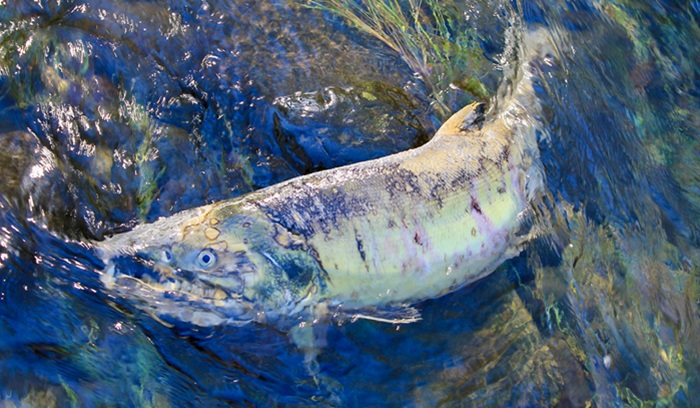
Salmon jumping

Salmon reach Upper Klamath River Basin for first time in over 100 years

The Klamath River Basin is celebrating a profound ecological comeback. While salmon returned to the lower river immediately after dam removal in 2024, they have now reached the Upper Klamath Basin for the first time. This unprecedented migration, confirmed by tribal and state monitoring crews, has successfully opened nearly 400 miles of ancestral spawning habitat. This is the largest river restoration project in US history, led by the Yurok, Karuk, and Hoopa Valley Tribes.

Jaguar

Mexico’s jaguar numbers up 30% since 2020 in conservation drive

Mexico is celebrating a major conservation success with a recent surge in its jaguar population, which increased by approximately 30% since 2010, according to the national census. This achievement is the result of strong national investment and strategic protection of habitat corridors. By reducing human-wildlife conflict through compensation schemes, organizations like the World Wildlife Fund and the Wildlife Conservation Society secured the future of this umbrella species.

Horses running

Wild horses return to Spain’s Iberian highlands after 10,000 years

A groundbreaking ecological project is underway in Spain’s Iberian Highlands, where wild horses are now roaming a landscape they haven’t inhabited in millennia. This collaborative effort, led by the Rewilding Europe Foundation, the International Union for Conservation of Nature, and Rewilding Spain, is a strategic move to restore the natural ecosystem. The project aims to reduce wildfire risk and promote biodiversity by reintroducing large herbivores, which act as “natural engineers” for the environment.

Oil rig at sunset

Guatemala closes massive oil field

Guatemala has permanently closed the Xan oil field in Laguna del Tigre National Park, marking a major shift from fossil fuel extraction to forest protection. The site, once responsible for nearly 90% of the country’s oil production, will now serve as a security base to curb illegal logging, ranching, and trafficking in the Maya Biosphere Reserve. Conservation groups and local communities have welcomed the move, while the government is also investing in renewable energy and new conservation funds. The closure signals hope for safeguarding biodiversity, cultural heritage, and community resilience across Central America’s largest tropical forest.