Same-sex marriage

Pride flags and celebration

Supreme Court of the Philippines grants property rights to same-sex couples in historic ruling

In a landmark victory for LGBTQ+ rights, the Supreme Court of the Philippines has ruled that same-sex couples can be legally recognized as co-owners of property. This historic decision applies Article 148 of the Family Code to same-sex unions for the first time, ensuring that partners who build a life together have legal protection for their shared assets. While not legalizing marriage, the ruling validates the legitimacy of these relationships and calls on Congress to enact broader protections, setting a progressive precedent for Southeast Asia.
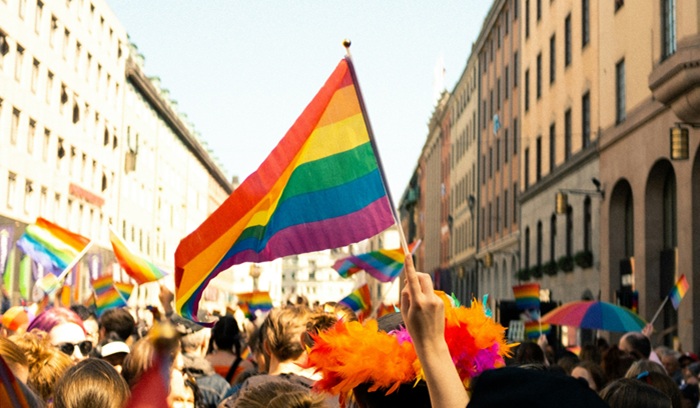

Pride celebration with pride flag in foreground

Top court rules E.U. nations must mutually recognize same-sex marriages

In a landmark victory for equality, the Court of Justice of the European Union has ruled that all member states must recognize same-sex marriages performed legally within the bloc. This decision ensures that couples married in one EU country retain their rights and civil status when moving to another, even if that country does not perform same-sex marriages domestically. This ruling eliminates a major barrier to freedom of movement, securing residency and family rights for LGBTQ+ citizens across Europe.

Neon Pride Rainbow

South Korea census allows same-sex couples to identify as spouses in “historic” change

South Korea has taken a major step toward equality by officially updating its national census to recognize same-sex couples as spouses. This victory, driven by civil rights advocates, is crucial for improving visibility and ensuring accurate demographic data. This powerful institutional recognition builds momentum for future legal reforms. It sets a progressive model for other nations in East Asia seeking to affirm the dignity of LGBTQ+ citizens in their national frameworks.

Vilnius, Lithuania

Lithuania court recognizes same-sex couple in historic ruling

A Vilnius City District Court has for the first time granted state recognition to a same-sex couple in Lithuania, affirming them as a legal family and enabling them to access social and economic benefits tied to family status. Although Lithuania’s Constitution explicitly bans same-sex marriage and the Civil Code restricts civil partnerships to opposite-sex couples, the court’s decision aligns with a landmark April 17, 2025, ruling by the Constitutional Court. That decision declared these restrictions unconstitutional, calling on Lithuania’s Parliament to enact partnership legislation—and, in the meantime, allowing courts to grant recognition.

Pride celebration with pride flag in foreground

In landmark ruling, same-sex couples recognized as family by Ukrainian court

Kyiv’s Desniansky District Court has formally recognized a same-sex couple as a family, marking the first legal precedent of its kind in Ukraine, human rights organization Insight LGBTQ has announced. Ukraine does not currently recognize same-sex marriages or partnerships, and this court ruling may serve as a critical legal milestone in expanding rights for LGBTQ families. According to a 2024 poll by the Kyiv International Institute of Sociology, 70% of Ukrainians believe LGBTQ citizens should have equal rights.

Pride flag

Japanese court rules marriage equality ban unconstitutional

The Fukuoka High Court of Japan has become the third of Japan’s eight high courts to rule that the government’s policy against same-sex marriage is unconstitutional. High Court Judge Takeshi Okada ruled that civil laws forbidding same-sex marriages violate the nation’s constitution, saying, “There is no longer any reason to not legally recognize marriage between same-sex couples.” However, he noted that any change in national marriage laws must be decided by Japan’s legislature, known as the National Diet.

Good news for LGBTQ rights

Thailand becomes first Southeast Asian country to legalize marriage equality

The bill legalizing same-sex marriage was passed by Parliament earlier this year, and King Maha Vajiralongkorn has now made it law by providing Royal Assent. It will take effect in 120 days, with the first weddings being expected to take place in January. The move means that marriage laws will no longer use terms like “husband” and “wife” and such terms have been replaced with inclusive, gender-neutral language such as “partner.” Same-sex couples now have the same legal rights as their heterosexual counterparts, such as adoption and inheritance rights.

Good news for LGBTQ rights

South Korea’s top court upholds the rights of people in same-sex relationships in historic ruling

The landmark ruling states that benefits from South Korea’s National Health Insurance Service can be claimed by people in same-sex partnerships and that treating same-sex couples differently than heterosexual ones is “an act of discrimination that… violates human dignity and the right to pursue happiness.” South Korea does not recognize same-sex marriage under the law, so the ruling is major progress in extending the protections and rights to same-sex couples.