Medicine

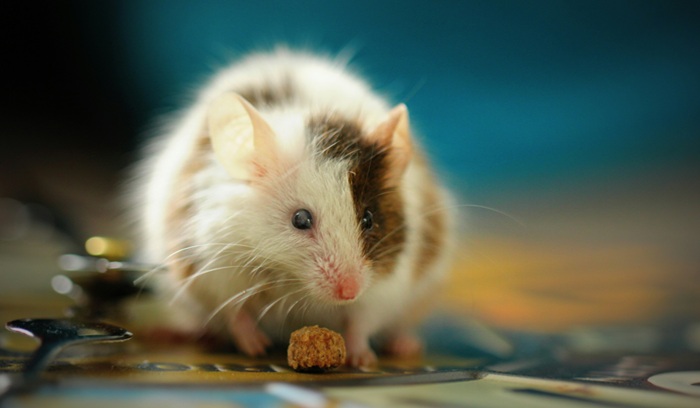
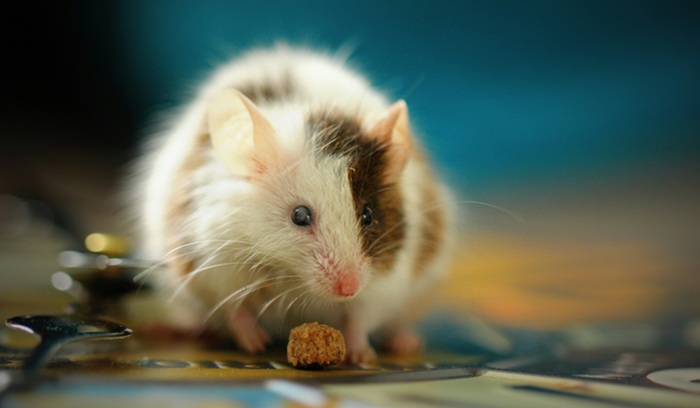
Mouse

Stanford researchers cure type-1 diabetes in mice with new treatment

Medical researchers at Stanford University have achieved a monumental breakthrough by successfully curing Type 1 diabetes in preclinical animal trials. The innovative treatment utilizes a combination of blood stem cells and insulin-producing islet cells to create a hybrid immune system within the recipient. This reset prevents the body from attacking its own tissues and eliminates the need for lifelong immunosuppressive drugs. With a flawless success rate in reversing the disease in test subjects, this highly translatable procedure offers immense hope for the future of autoimmune disease treatment and human organ transplantation.
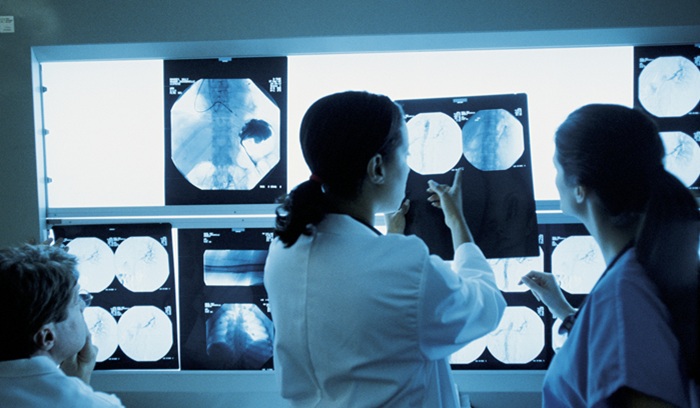
Scientists looking at x-rays

Spanish researchers achieve pancreatic tumor regression in breakthrough study

Researchers at the Spanish National Cancer Research Centre (CNIO) have achieved a major breakthrough in pancreatic cancer treatment, successfully inducing tumor regression in mice in preclinical studies. The new therapeutic strategy targets specific signaling proteins downstream of the KRAS mutation, effectively cutting off the tumor’s growth mechanism without toxic side effects. This innovative approach resulted in the complete disappearance of tumors in study models. With plans to fast-track human clinical trials, this discovery offers a powerful new hope for improving survival rates and changing the standard of care for patients worldwide.

Mouse

American scientists fully reverse Alzheimer’s in mice

Researchers from Case Western Reserve University and the Cleveland VA Medical Center have successfully reversed Alzheimer’s symptoms in mice using a compound called P7C3-A20. This experimental drug works by protecting brain cells from death and repairing the blood-brain barrier. In the study, treated mice regained their memory and ability to navigate mazes, performing as well as healthy mice. This neuroprotective approach offers a promising new direction for treating human neurodegenerative diseases with a daily pill.

Midwife and mother

Virginia becomes first U.S. state to recognize autonomous midwifery practice

Autonomous midwifery practice enables midwives to conduct their professional work by providing evidence-based, high-quality, and ethical care across pregnancy, childbirth, and postpartum, as well as providing other reproductive health care. Now, Virginia midwives can not only practice autonomously but also receive 100% free schedule reimbursement from private insurance and Medicaid. They can also serve on a 24-hour on-call duty roster for nursery care when physicians are unavailable, addressing staffing shortages in rural areas.

Holding pills

U.S. FDA approves non-addictive alternative to opioids

The U.S. Food and Drug Administration has signed off on the first new type of pain reliever to be approved in more than two decades. The drug, suzetrigine, is a 50-milligram prescription pill that’s taken every 12 hours after a larger starter dose. Crucially, suzetrigine creates no euphoria or high like opioids sometimes can, so doctors believe there’s no potential for it to create addiction or dependence in people who use it.