Marine conservation

Sperm whales

IUCN approves major new North Atlantic marine sanctuary

The IUCN World Conservation Congress has voted to establish the Macaronesia Sanctuary. This massive transnational protected area spans the waters of Spain, Portugal, and Cape Verde, creating one of the world’s most ambitious marine sanctuaries. By safeguarding a vast migration corridor across four archipelagos, the initiative protects essential habitats from industrial fishing and maritime traffic. This historic agreement unites nations in a shared mission to secure the long-term resilience of this vital Atlantic ecosystem.

Humpback whales underwater

Eastern Australian humpback whale population now back to pre-whaling levels

A monumental conservation victory has been achieved with the recovery of the Eastern Australian humpback whale population. Once decimated, the population has rebounded to over 50,000 individuals, surpassing pre-whaling levels. This success, confirmed by the International Whaling Commission (IWC), proves the power of sustained international protection. By securing their migration corridor and enforcing a global ban, humanity successfully reversed the species’ decline.

Sea turtle

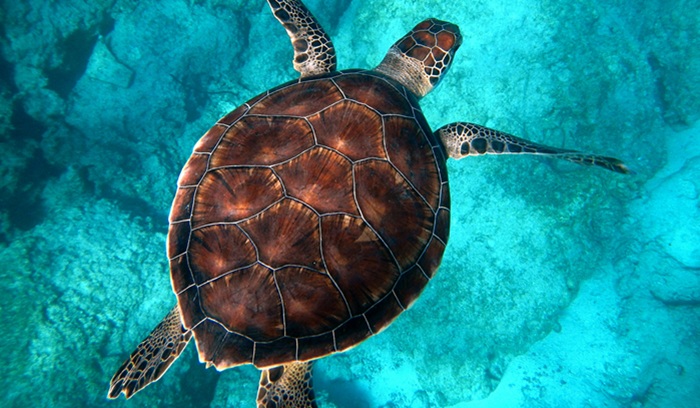
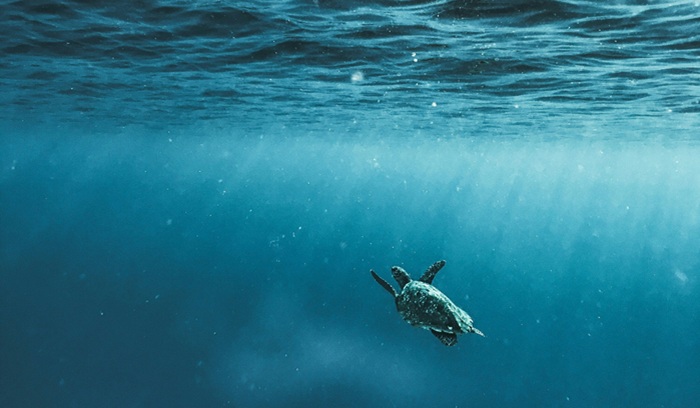
Green sea turtle saved from extinction in major conservation victory

The green sea turtle population has rebounded so successfully that several populations have been removed from the Endangered Species List maintained by the International Union for Conservation of Nature ($\text{IUCN}$). This success specifically applies to populations in places like Florida and the Pacific coast of Mexico. Nesting numbers have surged by several hundred percent in key areas. By securing Marine Protected Areas and guarding vulnerable beaches, conservationists have proven that dedicated human action can reverse the decline of threatened species.

Underwater life

Landmark high seas treaty protecting marine biodiversity becomes international law

A monumental achievement in conservation has been finalized: the High Seas Treaty has reached the 60 ratifications needed to become international law. This agreement, which covers two-thirds of the world’s ocean, creates a legally binding framework to establish marine protected areas and regulate human activities. This major victory for multilateralism ensures that discoveries from the deep sea benefit all nations. The treaty will officially enter into force in January 2026.

Coral

The Philippines protects massive coral hotspot

A significant victory for marine conservation has been achieved in the Philippines, where a new law establishes a vast marine protected area off Panaon Island. The legally protected seascape covers approximately 151,000 acres and is home to some of the world’s most climate-resilient coral reefs. This action, championed by local communities and a multi-year effort, not only safeguards endangered species but also supports the livelihoods of local fisherfolk.

Fishing people in Ghana

Ghana passes landmark legislation to protect artisanal fisheries

Ghana has enacted the Fisheries and Aquaculture Act of 2025, a landmark reform that strengthens protections for its artisanal fishing communities. The law doubles the inshore exclusion zone (IEZ) from 6 to 12 nautical miles, effectively banning industrial trawlers from critical coastal waters and safeguarding vital breeding grounds. It also introduces mandatory electronic monitoring on industrial vessels, tougher penalties for illegal activity, and greater autonomy for the Fisheries Commission in managing marine resources. Signed into law by President Mahama on August 19, the reform is widely seen as a major step toward rebuilding overfished stocks, defending livelihoods, and positioning Ghana as a leader in sustainable West African fisheries management.

Lagos, Nigeria

Lagos bans single-use plastics

On July 1, 2025, Lagos introduced a ban on single-use plastics like Styrofoam plates, straws, and cutlery. The city—home to 20 million people—has long battled severe plastic pollution, with clogged waterways worsening floods and harming health. The ban is already driving grassroots recycling, sparking innovation in sustainable packaging, and raising public awareness about waste reduction. If supported by stronger enforcement, better waste systems, and affordable alternatives, this move could slash hundreds of thousands of tons of plastic waste annually—positioning Lagos as a model for African cities aiming to protect their environment and build a cleaner, more resilient future.

Fishes underwater

Portugal announces a massive new marine protected area

The new marine protected area covers 38,000 square miles surrounding the Gorringe Ridge, home to 850 marine species. The Gorringe Ridge is the tallest seamount—a large submarine volcanic mountain—in Western Europe, and is known for its biodiversity. Among its most famous inhabitants are “soft corals,” or gorgonians, and deep-sea sponges, which call the 1,100 reefs found throughout the ridge home. Portugal has now raised its percentage of total protected territorial waters from 19% to 27%.

Coral

French Polynesia creates world’s largest marine protected area

The massive new MPA in the South Pacific will cover the semi-autonomous French territory’s entire exclusive economic zone (EEZ), roughly 1.9 million square miles. It will include nearly 420,000 square miles of highly or fully protected ocean, an area twice the size of mainland France. Of this, some about 350,000 square miles will be fully protected. In these areas, no extractive fishing or mining will be allowed. About 72,000 square miles will be an artisanal fishing zone, only allowing traditional line fishing.

Sea turtle underwater

Samoa establishes nine new marine protected areas covering 30% of its ocean

The Samoan government has enacted a law establishing a plan to sustainably manage 100% of its ocean by 2030. The plan creates nine new marine protected areas that cover 30% of Samoa’s ocean, an area roughly the size of Taiwan. The MPAs mean that Samoa meets its 2020 agreement to protect 30% of Earth’s land and ocean by 2030. They ban activities that harm marine life or habitats, including fishing, mining, and drilling.