Literature

This archive tracks meaningful progress in literature — from landmark publishing milestones to initiatives expanding access to books and amplifying underrepresented voices. Thirty-one stories document how writers, readers, and institutions are shaping what gets written, published, and read.

Open books from above

Kuwait relaxes book censorship laws

Kuwaiti state media reported that the country’s parliament had voted 40 to nine in favor of lifting the Ministry of Information’s control over books imported into the country. Previously, the ministry had blacklisted more than 4,000 books since 2014.

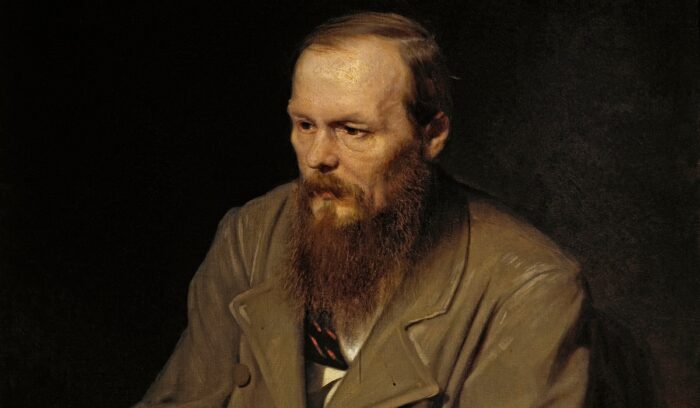
Portrait of Fyodor Dostoyevsky by Vasily Perov, for article on crime and punishment

Dostoevsky publishes Crime and Punishment, changing how novels explore the human mind

Crime and Punishment began appearing in The Russian Messenger in January 1866, unfolding across twelve monthly installments as readers followed a destitute ex-student named Raskolnikov murder a pawnbroker and slowly unravel under his own guilt. Dostoevsky, hounded by debt, had burned an earlier draft and rewritten it in third person — a shift that let fiction inhabit a mind coming apart, and quietly reshaped what novels could do.

image for article on Frederick Douglass memoir

Frederick Douglass publishes his memoir, galvanizing the U.S. abolition movement

Frederick Douglass’s memoir landed in American bookstores on May 1, 1845, just seven years after its author had escaped slavery. The slim volume sold 5,000 copies in four months and reached nearly 30,000 by 1860, carrying his precise, literary voice far beyond the abolitionist lecture circuit. It remains among the most widely read firsthand accounts of American slavery ever written.

Dream of the Red Chamber, for article on dream of the red chamber, for article on rights of man

Thomas Paine’s Rights of Man declares all people are born with natural rights

Rights of Man hit British bookshops in March 1791, when Thomas Paine answered Edmund Burke’s defense of monarchy with a claim that rattled Europe’s rulers: rights belong to people by birth, not by royal grant. The book reportedly sold as many as a million copies and sketched an early vision of pensions, public schooling, and progressive taxation as matters of right.