Indigenous rights & well-being

Canadian Indigenous totem poles

The Vatican returns dozens of Indigenous artifacts to Canada

In a major step for reconciliation, 62 Indigenous cultural belongings have been returned to Canada from the Vatican Museums. The collection, which includes a rare century-old kayak and sacred items, was welcomed by First Nations, Inuit, and Métis leaders in Montreal. This repatriation fulfills a promise made by Pope Francis and follows years of advocacy. It marks a powerful moment of cultural revitalization, restoring stewardship of these ancestral items to the communities they belong to.

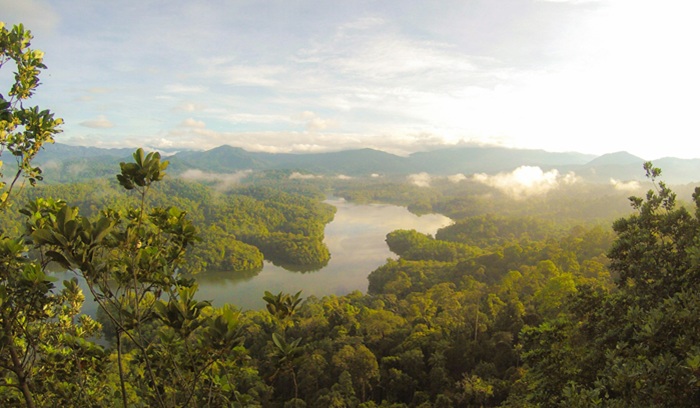
Aerial view of river running through rainforest

Bolivia declares its first Indigenous protected area in its Amazon

In a historic victory for conservation and Indigenous rights, Bolivia has designated Loma Santa as the first Indigenous Protected Area in its Amazon region. This landmark decision grants legal authority to the Moxeño Ignaciano, Yuracaré, and Tsimane peoples to manage their ancestral lands. By securing land tenure, the move protects vital rainforest ecosystems from illegal encroachment and deforestation. This model of Indigenous-led stewardship empowers local communities and sets a powerful precedent for environmental justice across the Amazon basin.

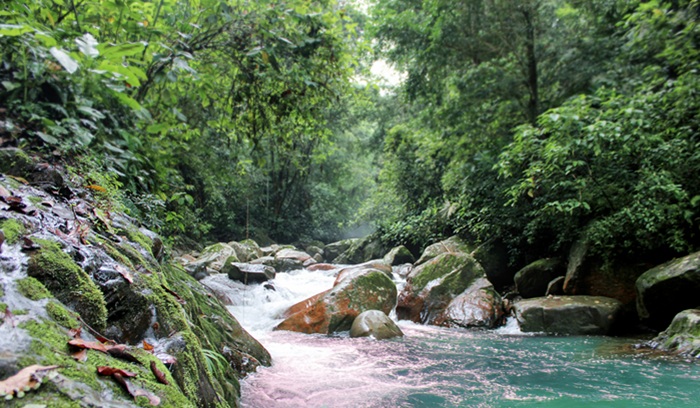
River running through rainforest

Colombia bans all new oil and mining projects in its Amazon

In a decisive victory for the environment, the Colombian government has declared a halt to all future industrial extraction within its rainforest territories. This policy protects 42% of the nation’s territory, immediately stopping hundreds of pending permits. The ban prioritizes biodiversity, water systems, and Indigenous land rights over short-term profit. By shifting focus to a sustainable bioeconomy, Colombia is setting a powerful example of environmental sovereignty for the entire Amazon basin.

Nine nations commit to recognizing 395 million acres of Indigenous land by 2030

A landmark international coalition has committed to formally recognizing 395 million acres of Indigenous and traditional community lands worldwide. The nine countries making this pledge are Brazil, Colombia, Costa Rica, Ecuador, Gabon, Guatemala, the Republic of Congo, Peru, and Venezuela. This massive commitment to land tenure security empowers millions of Indigenous and local people to be the primary stewards of their ancestral territories, ensuring the permanent protection of globally vital carbon sinks and biodiversity hotspots.

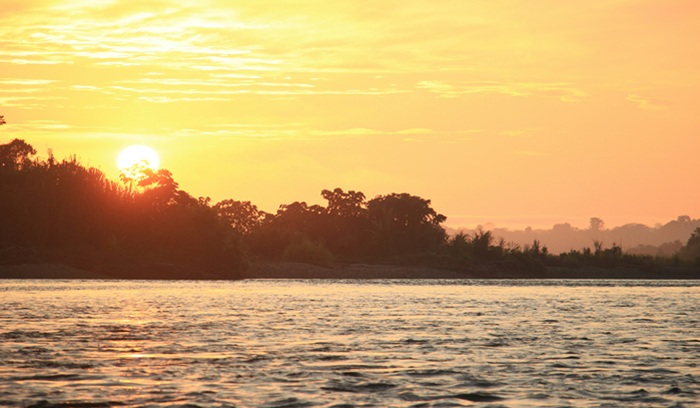
Sunset over a river

Brazil dismantles hundreds of illegal dredges in major Amazon mining crackdown

A groundbreaking environmental victory has been secured in the Amazon through the removal of hundreds of illegal river machines. These large, floating mining dredges were the primary source of toxic mercury contamination in the waterways. The decisive government action significantly reduces public health risks for Indigenous communities who rely on fish for food. This vital enforcement protects tribal land sovereignty and allows damaged river ecosystems to begin their natural recovery.

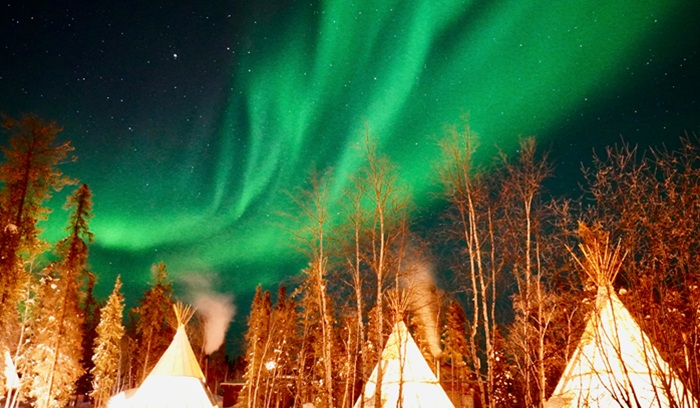
Northern lights over teepees

New partnership funds Indigenous-led protection of Canadian lands twice the size of Florida

In Canada’s Northwest Territories, a landmark pact is uniting federal, territorial, and 21 Indigenous governments to protect nature on an unprecedented scale. Covering current preserves plus 75,000 square miles of new conserved lands — twice Florida’s size and more than 2% of Canada’s landmass — the agreement will channel over $300 million to Indigenous-led stewardship, conservation, and ecotourism.

Indigenous person from Colombia

Landmark ruling protects Indigenous Colombians from mercury pollution

The Colombian Constitutional Court has issued a landmark ruling. It orders the government to protect 30 Indigenous Amazonian communities from illegal gold mining and its devastating mercury pollution. The court found that contamination poses a direct threat to the communities’ health, food sources, and cultural survival. The decision establishes a clear legal obligation for state action, setting a powerful precedent for Indigenous-led environmental justice.

Aerial view of river

The Yurok Tribe reclaims 17,000 acres of stolen land in California’s largest-ever landback deal

The Yurok people have lived along the Klamath River in Northern California for millennia. But when the California gold rush began, the tribe lost 90% of its territory. For the last two decades, the tribe has worked with the nonprofit Western Rivers Conservancy to get its land back. The 17,000 acres compose the final parcel of a $56 million, 47,097-acre land transfer that effectively doubles the tribe’s land holdings. The tribe has already designated the land as a salmon sanctuary and community forest and plans to put it into a trust.

Amazon rainforest burning

Brazilian judge orders seizure of illegally cleared lands in the Amazon

Justice Flávio Dino of the Brazilian Supreme Court has directed the government to seize private lands where forests have been illegally razed. By one estimate, more than half of the forest lost in the Brazilian Amazon has been on private lands. The ruling also calls for halting the process known as regularization, by which land grabbers are granted title to stolen lands, even when they have illegally destroyed forest on those lands. The decision, which may be appealed, further requires the government to seek compensation from landowners who have destroyed forest.

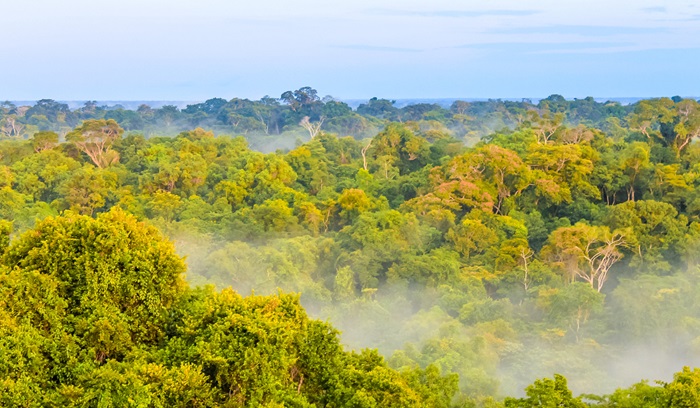
Morning fog over the brazilian rainforest in Brazil

Colombia creates landmark territory to protect uncontacted Indigenous groups

Colombia has created a first-of-its-kind territory meant to protect a group of Indigenous people living between the Caquetá and Putumayo Rivers in the Amazon Rainforest. The 2.7-million-acre territory is the first in the country specifically designed for people living in isolation. The Yuri-Passé people have faced increasing pressure from illegal mining and organized crime groups, forcing neighboring Indigenous communities to reach out to the government on their behalf. The creation of the territory follows years of advocacy by human rights and conservation groups.