Food & diet

School meal

Free school meals to be extended to half a million more of England’s poorest children

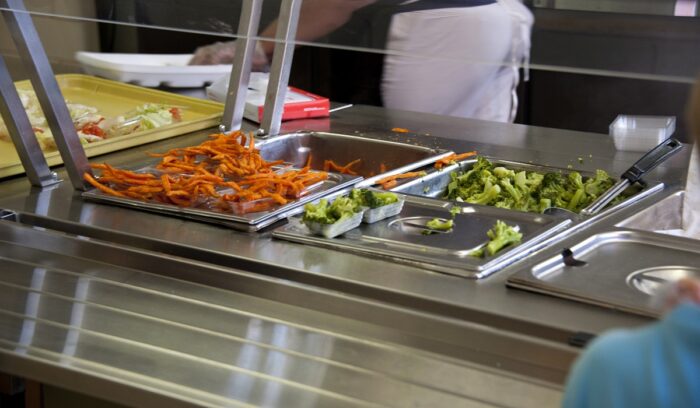
Since 2018, children in England have only been eligible for free school meals if their household income is less than £7,400 per year, meaning hundreds of thousands of children living in poverty have been unable to access them. Now, from the start of the 2026 school year, every child whose household is on universal credit will be entitled to free school meals. The major policy expansion is expected to offer free meals to an additional 500,000 children across, lift 100,000 children out of poverty, and put an extra £500 in parents’ pockets.

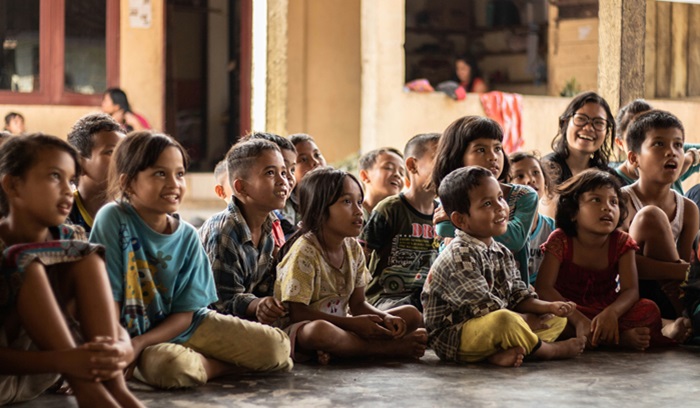
Indonesian children smiling

Indonesia launches free meals program to feed millions of children and pregnant women

The Free Nutritious Meal program delivers on a campaign promise by President Prabowo Subianto, who was elected last year to lead the nation of more than 282 million people and Southeast Asia’s largest economy. It aims to fight the stunting of growth that afflicts 21.5% of Indonesian children younger than 5 and help raise income for the nation’s farmers. The government’s target is to reach an initial 19.5 million schoolchildren and pregnant women in 2025 with a budget of $4.3 billion USD, and more than 80 million people at a cost of $28 billion USD by 2029.

Honeybee by yellow flowers

Hobbyist beekeepers help reverse America’s critical bee shortage in just 5 years

Nearly a million bee colonies have been formed in the past five years, according to 2022 Census of Agriculture data from the USDA, boosting the total number of colonies to an all-time high of 3.8 million. The record high has arrived after nearly 20 years of collapsing colonies, where bees died from exposure to poisonous pesticides, stress from cross-country transit to pollinate crops, invasive pests, and changes to habitat.

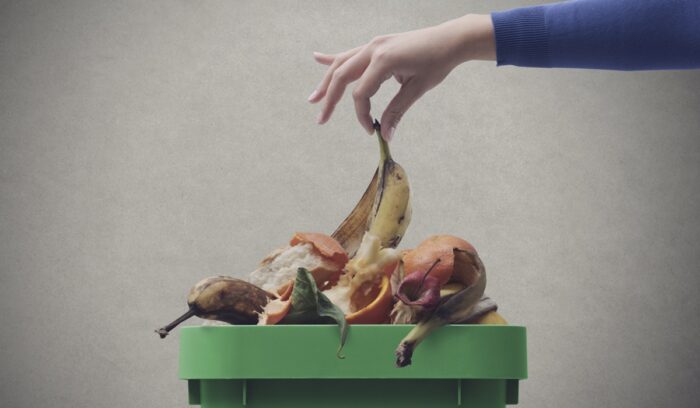
Woman putting organic waste in the compost bin

France implements compulsory composting

As of January 2024, municipalities in France must now provide residents with ways to sort bio-waste, which includes food scraps, vegetable peels, expired food and garden waste. Households and businesses are required to dispose of organic matter either in a dedicated small bin for home collection or at a municipal collection point. The waste will then be turned into biogas or compost to replace chemical fertilizers.