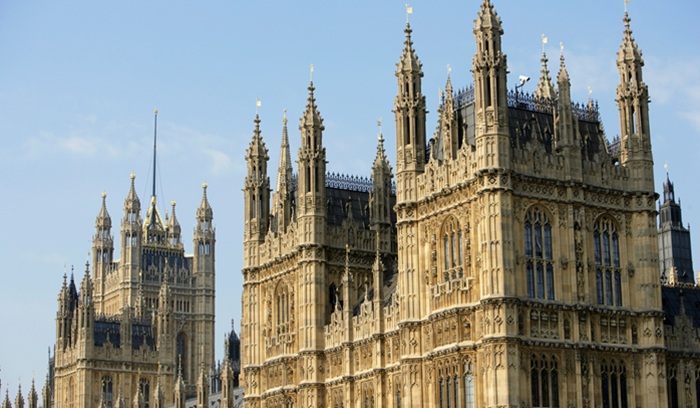
Democracy & voting

Palace of Westminster

Britain ends 700 years of birthright rule in Parliament for hereditary peers

Britain is taking a massive step toward a modern democracy by removing the final 92 hereditary peers from its parliament. Originally reported by PBS NewsHour, this reform ends 700 years of birthright rule, ensuring that political power is no longer an inherited family heirloom. While the move is a significant victory for fairness and accountability, the government maintains a measured pace as it explores further constitutional changes. This transition proves that even the oldest institutions can adapt to serve a modern, more equitable society, establishing a new global standard for merit-based governance.

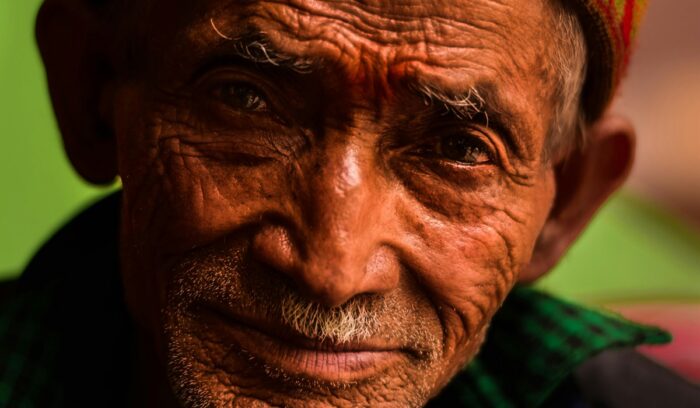
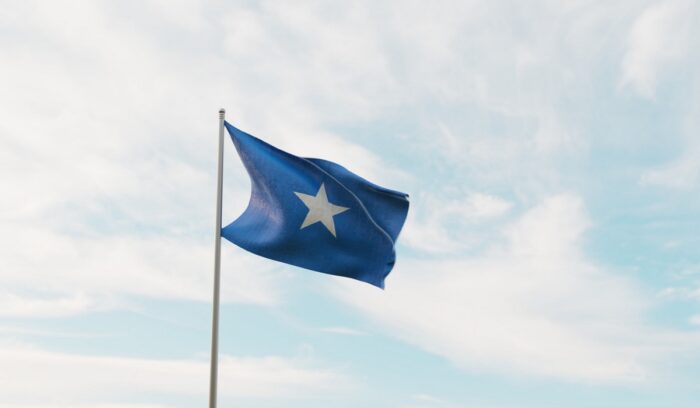
Mogadishu, Somalia

Somalis vote in the first one-person, one-vote local election since 1969

In a historic stride toward democracy, citizens in Mogadishu have cast direct ballots in local elections for the first time in over five decades. This one-person-one-vote process marks a major departure from the traditional clan-based system, restoring the fundamental right of individuals to choose their representatives. The peaceful turnout, particularly among women and youth, demonstrates a powerful resilience and a demand for accountable governance. This milestone in the capital is seen as a vital precursor to future national elections, signaling a new era of stability and civic engagement for Somalia.

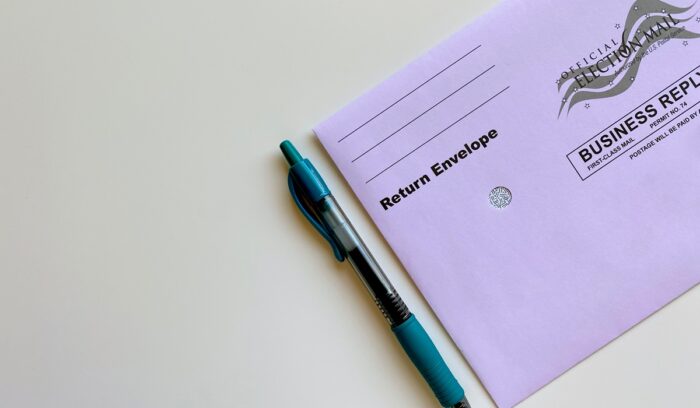
Mail-in ballot with pen

Colorado to be first state in the U.S. to expand automatic voter registration to tribes

Tribal communities in Colorado share some of the same registration and voting barriers as other rural communities across the U.S., like geographic isolation and unreliable mail delivery. But according to the Native American Rights Fund, tribal communities also commonly experience obstacles like language barriers, a lack of voter registration opportunities, and state laws in some parts of the country that block polling places on tribal lands.