Animal rights & well-being

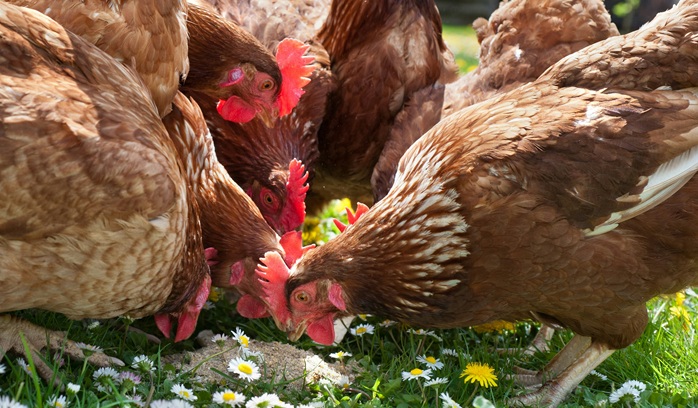
Hens outside

England outlaws hen cages and pig crates in historic animal welfare reform

This landmark legislation will phase out restrictive confinement systems, ensuring millions of animals can express natural behaviors and live free from extreme restraint. The move, supported by a phased transition plan and funding for farmers, aligns English agriculture with strong public demand for ethical food. It cements England’s position as a global leader in high-welfare, sustainable farming standards.
Foxes

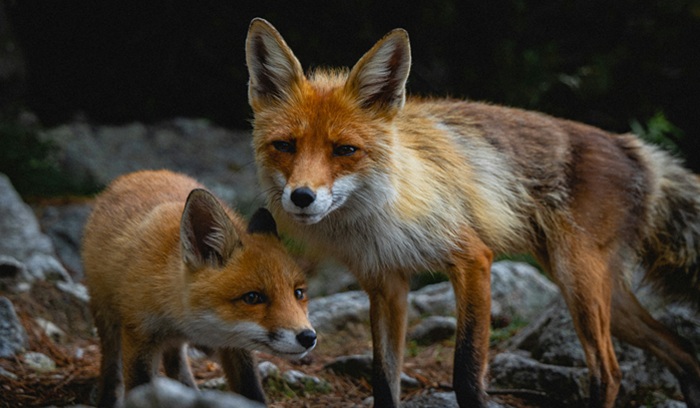
Poland bans fur farming

In a monumental victory for animal welfare, Poland has officially banned fur farming. President Karol Nawrocki signed the legislation, which prohibits new farms immediately and mandates the closure of all existing operations by 2033. As the European Union’s largest fur producer, this decision will spare over 3.5 million animals annually from confinement and slaughter. The law includes compensation for farmers, reflecting a strong national consensus to transition toward a more ethical and sustainable economy.

Dolphin

Mexico bans dolphin shows

In a landmark move for animal welfare, the Mexican Senate has voted unanimously to ban dolphin and other marine mammal shows across the country. The decision, passed 99 to 0, marks the culmination of a years-long campaign led by activists, researchers, and concerned citizens to end the exploitation of marine mammals in entertainment. The updated legislation amends Mexico’s General Wildlife Law to outlaw all “extractive exploitation” of marine mammals.

Hens

Over 1,400 companies worldwide have implemented cage-free egg production pledges

45% of US hens, 62% of European hens, and 82% of British hens are now cage-free — up from about 13%, 44%, and 50% respectively a decade ago. Fully 150 million fewer American, European, and British hens are now caged than a decade ago, even as egg demand has risen in all three markets. Most companies with cage-free pledges — over 1,400, including McDonald’s, Starbucks, Amazon, and Costco — have already implemented them.

Fur coats

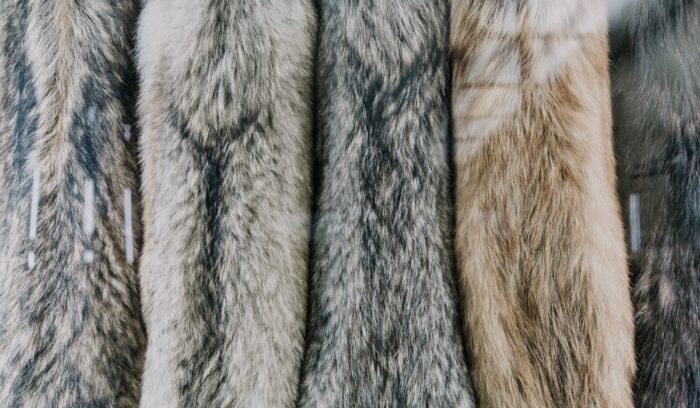
Chinese fast-fashion giant Shein bans fur and wild-animal skins across its online marketplace

Shein’s updated ban covers any items made from the skins or feathers of all animals considered to be “exotic”, including ostrich feathers, alligators, and snakes. The decision comes after PETA noticed several third-party vendors offering real fur products and accessories made from exotic animal skins on Shein’s marketplace platform in 2024. Shein previously maintained a no-fur policy for its in-house brands; however, this policy did not extend to third-party sellers operating on its marketplace platform.

Fur coats

Norway permanently closes all fur farms

Once home to nearly 300 fur farms, the Scandinavian country has now phased out the industry entirely, with the last farmers shutting down operations ahead of a February 2025 deadline. The final decision to ban fur farming was made in 2018, with a phase-out period designed to help farmers transition to other livelihoods. Now, the country has officially made good on its promise, joining a growing list of nations that have decided fur farming belongs in the past.

Two lions

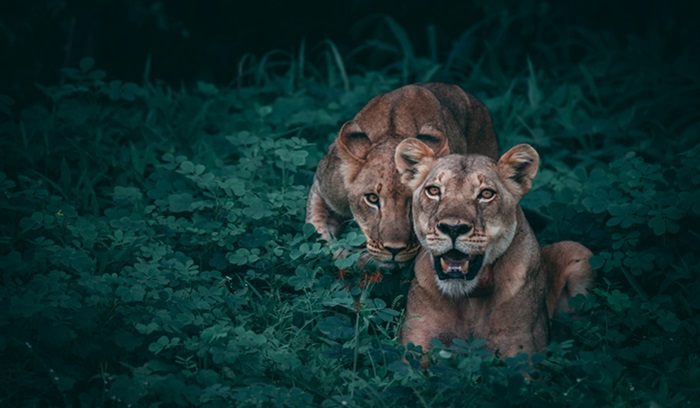
Nearly 20,000 animals seized in global wildlife trafficking crackdown

Big cats, birds, primates, and pangolins were among the nearly 20,000 animals rescued in a recent global operation against wildlife and forestry traffickers. Led by Interpol and the World Customs Organization, the campaign involved police, customs, border patrol, forestry, and wildlife officials from 138 countries. Six transnational criminal networks suspected of trafficking animals and plants were identified, with 365 arrests made.

Dolphin

Taiwan bans performances by captive wild animals

Live performances by wild animals held in captivity, including performances by dolphins, tigers, and other non-domesticated mammals, will no longer be permitted in Taiwan under new Ministry of Agriculture (MOA) regulations. The new measures will make Taiwan one of 13 nations outlawing captive animal performances. Companies that hold animals captive for commercial purposes must submit detailed documentation outlining how animals will be housed and displayed.

Wolf and cub

Health Canada to completely ban use of strychnine poison

Strychnine has been used for decades to control animal pests, especially predators such as coyotes and wolves. Although it is highly effective, many consider it cruel. Strychnine kills by causing muscle cramps that eventually strangle the animal. A veterinary professor has called it “one of the worst ways to die.” The agency has declared a six-month phaseout period. That means all uses of strychnine will be illegal on September 7, 2024.