
Curated by Peter Schulte · Published 2026-06-24 · Last updated 2026-06-24
Global public health is recording genuine, measurable wins at a pace unseen in decades.
Africa has been certified free of wild poliovirus. The global suicide rate has fallen nearly 40% since the 1990s. Lead pollution in American bodies has dropped 100-fold over a century. Mexico just enrolled 133 million citizens in universal healthcare.
Behind these headline numbers is a dense web of progress: new vaccines for malaria, RSV, and lung cancer entering trials; first-in-class non-opioid painkillers; stem cell therapies for Parkinson’s; and HIV prevention drugs that are 99.9% effective.
These are not isolated flukes. They reflect decades of compounding investment in science, policy, and community health infrastructure — proof that sustained effort can bend the curve on even the most entrenched public health crises.
Key takeaways
- Africa was certified free of wild poliovirus after immunizing more than 95% of the continent’s population, preventing an estimated 1.8 million paralysis cases.
- The global suicide rate has dropped nearly 40% since the early 1990s — one of public health’s most significant and underreported victories.
- Lead pollution in U.S. bodies has fallen roughly 100-fold over a century, driven by the phase-out of leaded gasoline and the 1978 ban on lead-based paint.
- A twice-yearly HIV prevention shot (lenacapavir) approved by the FDA stops transmission in more than 99.9% of participants and is being made available cheaply in 120 countries.
- New cancer breakthroughs — from a 100%-success rectal cancer drug to personalized mRNA pancreatic cancer vaccines — are rewriting survival expectations for some of medicine’s hardest diseases.
Recovery at a glance
| Subject | Recovery | Where |
|---|---|---|
| Wild poliovirus in Africa | Continent certified polio-free after 95%+ immunization | Africa |
| Global suicide rate | Fallen nearly 40% since the early 1990s | Global |
| Lead pollution in U.S. bodies | Blood lead levels down roughly 100-fold over a century | United States |
| Lenacapavir (HIV PrEP) | 99.9%+ effectiveness; FDA-approved twice-yearly injection | United States / 120 countries |
| Dostarlimab (rectal cancer) | Eliminated tumors in all 42 trial patients | United States |
| Mexico universal healthcare | 133 million citizens now covered | Mexico |
| Botswana mother-to-child HIV transmission | Rate dropped from 40% to below 1% since 1999 | Botswana |
| Malaria vaccine (R21/Matrix-M) | Price cut 25%; 7 million more children protected by 2030 | Global / Africa |
| Nepal rubella elimination | WHO-confirmed elimination after decade of vaccination | Nepal |
| Togo neglected tropical diseases | Four NTDs eliminated — a first for any African nation | Togo |
| Sudan malaria vaccine rollout | 148,000+ children reached in first phase | Sudan |
| U.K. cancer death rates | Lowest ever recorded; down 25%+ over two decades | United Kingdom |
| Finland teen abortion rate | Down 66% after free contraception program | Finland |
| Personalized mRNA pancreatic cancer vaccine | 7 of 8 immune responders alive six years post-treatment | United States |
| Flint lead pipe replacement | All 11,000 lead service lines replaced | United States |
| North Korea immunization campaign | 4 million+ doses delivered to all 210 counties at once | North Korea |
On this page
- Why this matters
- What’s driving the comeback
- Disease elimination and vaccination: public health wins that changed the map
- Cancer breakthroughs: new drugs, vaccines, and diagnostics reshaping survival
- HIV, infectious disease, and the access revolution
- Drug approvals and medical breakthroughs: new treatments reaching patients
- Mental health, addiction, and the psychedelics frontier
- Maternal health, child health, and access to care
- Environmental health, early diagnostics, and the health infrastructure of the future
- More wildlife comebacks
- The outlook
- Frequently asked questions
Why this matters
The scale of recent public health progress is easy to underestimate because the victories are spread across dozens of diseases, countries, and policy arenas. Taken together, they represent one of the most consequential periods of health improvement in modern history.
Some wins are generational: the elimination of wild polio from Africa closes a chapter that began with Nelson Mandela’s 1996 campaign. Others are immediate: a single FDA approval of over-the-counter Narcan could prevent thousands of overdose deaths per year. Both kinds matter.
What makes this moment distinctive is the convergence of tools — mRNA platforms, gene therapy, CAR T-cells, long-acting injectables — arriving at the same time as policy reforms that can actually deliver them to the people who need them most.
By the numbers
- Africa certified wild-polio-free after 95%+ of the continent was immunized, preventing an estimated 1.8 million paralysis cases.
- Global suicide rate fell from ~15 deaths per 100,000 people to ~9 since the early 1990s — a 40% decline.
- U.S. blood lead levels have dropped roughly 100-fold over a century.
- Botswana cut mother-to-child HIV transmission from 40% to below 1% between 1999 and 2022.
- Dostarlimab eliminated rectal tumors in all 42 patients who completed the Memorial Sloan Kettering trial.
- Malaria vaccine price cut unlocks 30 million additional doses, protecting an estimated 7 million more children by 2030.
- Seven of eight pancreatic cancer patients who mounted an immune response to a personalized mRNA vaccine remain alive six years post-treatment.
What’s driving the comeback
The clearest common thread across these stories is that scale and access matter as much as the science itself. The malaria vaccine’s 25% price cut, Pfizer’s pledge to sell 500 drugs at cost in 45 low-income countries, and India’s $2.50–$5.00 HPV vaccine all reflect the same logic: a breakthrough that remains unaffordable is a breakthrough deferred.
A second driver is platform technology spreading across disease categories. The same mRNA machinery that produced COVID-19 vaccines is now being aimed at lung cancer, pancreatic cancer, and glioblastoma. CAR T-cell therapy, first developed for blood cancers, has now sent lupus into remission. These are not isolated discoveries — they are a toolkit being systematically applied.
Finally, policy and community infrastructure repeatedly prove to be the multiplier. Botswana’s near-elimination of mother-to-child HIV transmission was built on free testing, free antiretrovirals, and community health workers — not a new drug. Nepal’s rubella elimination came from more than a decade of vaccination campaigns and community outreach. The science creates the possibility; the policy delivers it.
Disease elimination and vaccination: public health wins that changed the map
The most definitive public health wins are eliminations — diseases driven to zero in a country or continent through sustained immunization and political will. The stories in this section share a common architecture: long campaigns, community infrastructure, and the compounding effect of high coverage rates. What’s striking is how many of these milestones are arriving at once, and how many are happening in places that face the steepest logistical obstacles.

Africa certified free of wild polio after a 24-year campaign
Africa’s certification as wild-poliovirus-free came after more than 95% of the continent’s population was immunized, a campaign that began when Nelson Mandela launched ‘Kick Polio Out of Africa’ in 1996. The achievement is estimated to have prevented 1.8 million cases of paralysis. It stands as one of the largest coordinated public health efforts in history.

Nepal becomes sixth WHO South-East Asia nation to eliminate rubella
The World Health Organization officially confirmed Nepal’s elimination of rubella as a public health problem in August 2025, making it the sixth country in the WHO South-East Asia Region to reach the milestone. The achievement followed more than a decade of vaccination campaigns and community outreach. It reflects how sustained, unglamorous implementation work can close long-standing disease gaps.

Togo eliminates four neglected tropical diseases in a landmark public health achievement
Togo became the first country in Africa to eliminate four neglected tropical diseases simultaneously — a group of illnesses that still affect roughly 1.7 billion people worldwide. The result demonstrates what sustained political will can deliver in global health, even in a lower-income setting. Togo’s success is now a proof-of-concept model for other countries targeting NTDs.

North Korea launches first comprehensive immunization campaign with UNICEF support
A major UNICEF-backed immunization campaign reached all 210 counties in North Korea simultaneously, with more than four million doses arriving in July 2024. For the first time, pregnant women were included alongside children in the effort. The scale and coordination of the rollout mark a significant reopening of the country’s public health infrastructure.

Sudan launches first national malaria vaccine rollout in the Eastern Mediterranean
Sudan became the first country in the WHO Eastern Mediterranean Region to launch the malaria vaccine nationally, reaching more than 148,000 children under 12 months in its opening phase. The rollout is all the more striking given the backdrop of shuttered hospitals and ongoing conflict across much of the country. It demonstrates that vaccine programs can advance even in severely disrupted health systems.

WHO approves the world’s first malaria vaccine after 2.3 million pilot doses
After pilot programs delivered more than 2.3 million doses of the RTS,S vaccine across Ghana, Kenya, and Malawi, the World Health Organization recommended it for broad use in sub-Saharan Africa. The shot targets the deadliest malaria parasite and represents the culmination of decades of development. It opened the door to a new era of vaccine-preventable disease control on the continent.

Ghana becomes the first country to approve the next-generation R21 malaria vaccine
Ghana approved the R21 malaria vaccine — developed at Oxford’s Jenner Institute — as the first country in the world to do so, clearing the way for children as young as five months to be protected. Malaria kills roughly 620,000 people every year, mostly young children in Africa. The R21 approval signaled a new, potentially more scalable option entering the immunization pipeline.

Malaria vaccine price cut to protect 7 million more children by 2030
A deal between Gavi and UNICEF reduced the cost of the R21/Matrix-M malaria vaccine by roughly 25%, bringing the price below one dollar per dose. The savings unlock more than 30 million additional doses, extending protection to an estimated 7 million more children by 2030. Price, not science, had been the binding constraint — and removing it has immediate, measurable consequences.

WHO declares the end of the COVID-19 global health emergency
The World Health Organization formally ended its COVID-19 global health emergency on May 5, 2023, more than three years after the designation was first made. Director-General Tedros cited over a year of declining transmission and deaths as the basis for the decision. The declaration marked the formal close of the acute phase of a pandemic that reshaped global health systems.
Cancer breakthroughs: new drugs, vaccines, and diagnostics reshaping survival
Cancer has long been the hardest front in medicine — defined by the diversity of its forms and the scarcity of treatments that work across them. What unites the stories in this section is a shift in the underlying logic: from broadly toxic treatments toward precision approaches that exploit the biology of individual tumors. The pace of this shift has accelerated sharply, with mRNA platforms, immune-checkpoint therapies, and gene-editing tools all converging on cancer at the same time.

Dostarlimab eliminates rectal tumors in all 42 patients in landmark FDA trial
The cancer drug dostarlimab earned the FDA’s Breakthrough Therapy Designation after it eliminated rectal tumors in all 42 patients who completed a Memorial Sloan Kettering trial, with some participants now cancer-free for up to four years. The drug works by helping the immune system recognize and attack cancer cells. The 100% response rate in a solid tumor trial has no clear precedent in oncology.

Personalized mRNA pancreatic cancer vaccine: 7 of 8 responders alive after six years
A personalized mRNA vaccine for pancreatic cancer — one of medicine’s most stubborn killers — has kept seven of eight patients who mounted an immune response alive six years after treatment. The results come from a small but significant trial and represent an extraordinary outcome for a disease with historically grim survival statistics. The approach uses the same mRNA technology platform developed for COVID-19 vaccines.

U.K. cancer death rates fall to their lowest level ever recorded
Cancer death rates in the United Kingdom have dropped to the lowest level ever recorded, according to Cancer Research UK data published in 2026. Age-standardized mortality rates have fallen by more than 25% over the past two decades, driven by advances in lung, bowel, and breast cancer treatment and earlier detection. The sustained decline reflects compounding improvements across the entire cancer care pathway.

Personalized glioblastoma vaccine more than doubles five-year survival rates
A personalized vaccine for glioblastoma — the most aggressive brain tumor — more than doubled five-year survival rates in a large international trial, representing the most promising new treatment for the disease in nearly three decades. The vaccine extracts proteins from a patient’s own tumor to train the immune system to attack it specifically. The result gives the field its first credible signal of a survival breakthrough.

World’s first mRNA lung cancer vaccine enters human trials in seven countries
BNT116, developed by BioNTech, became the first mRNA-based lung cancer vaccine to enter human trials, with studies now running in seven countries. The vaccine uses the same messenger RNA technology behind COVID-19 vaccines to train the immune system to recognize and attack lung cancer cells. It marks the beginning of a new wave of cancer immunization candidates moving toward patients.

Japanese scientists use artificial DNA to target and kill cancer cells
Researchers at the University of Tokyo engineered synthetic DNA molecules that remain dormant until they detect a chemical overproduced by cancer cells — then restructure themselves to destroy those cells specifically. The approach represents a conceptual leap by turning cancer’s own biology against it. It opens a new category of precision oncology tools distinct from existing drug or antibody therapies.

Single drug candidate shows activity across all major primary bone cancer types
Scientists identified a drug candidate that demonstrates activity across all the major types of primary bone cancer — a group of diseases that have long resisted a unified treatment approach. Because these cancers are rare and diverse, a single agent with broad activity would be a significant practical advance. The finding opens a new research direction for a category of cancer that has seen limited progress.
HIV, infectious disease, and the access revolution
HIV prevention and treatment have entered a new era defined not just by scientific efficacy but by access at scale. The stories in this section show a consistent pattern: a breakthrough drug or approach is followed, often within months, by deals to manufacture it cheaply in low-income countries. That two-step — discovery plus deliberate affordability — is what separates a scientific win from a public health win.

FDA approves lenacapavir: a twice-yearly HIV prevention shot that is 99.9% effective
The FDA approved lenacapavir (brand name Yeztugo) as the first long-acting PrEP option in history, with clinical trials showing it stopped HIV transmission in more than 99.9% of participants. A twice-yearly injection replaces the burden of daily pill-taking that has long limited adherence. The approval is considered one of the most significant milestones in HIV prevention since antiretrovirals were introduced.

Lenacapavir to be manufactured cheaply for 120 low-income countries
Within months of lenacapavir’s clinical success, Gilead Sciences licensed six generic manufacturers in India, Egypt, Pakistan, and the U.S. to produce the drug affordably for 120 countries. The move addresses the access gap that has historically left the most at-risk populations without the most effective prevention tools. It represents the fastest major HIV drug affordability transition on record.

Zimbabwe becomes the first African country to approve the long-acting HIV prevention injection cabotegravir
Zimbabwe approved cabotegravir — a long-acting HIV prevention injection given once every two months — becoming the first African country to do so, joining only Australia and the United States. For young women and girls in particular, a bimonthly shot removes the daily pill burden that creates adherence gaps and risk. The approval opened a regulatory pathway that other African countries are expected to follow.

Botswana cuts mother-to-child HIV transmission from 40% to below 1% since 1999
Botswana reduced mother-to-child HIV transmission from 40% in 1999 to below 1% by 2022, with seven health districts recording zero cases in 2021. The success was built on three pillars — free testing, free antiretroviral treatment, and community health workers — rather than a new drug. It is one of the most complete disease prevention achievements in sub-Saharan African health history.

First vaccine to target deadly fungal infections passes preclinical tests
Fungal infections kill an estimated 1.6 million people every year, yet no vaccine has ever existed for any of the major culprits. Researchers at the University of Georgia developed a single shot that trains the immune system to recognize all three of the deadliest fungal pathogens. If the results hold in human trials, it would close one of the largest remaining gaps in vaccine-preventable disease.
Breakthrough genomic test identifies virtually any infection from a single sample
A single test using metagenomic next-generation sequencing correctly identified 86% of neurological infections in a trial of nearly 5,000 patients at UC San Francisco, detecting bacteria, viruses, fungi, and parasites from one sample. The technology compresses diagnostic timelines that previously required multiple separate tests and days of waiting. It has particular significance for infections that are rare, unusual, or resistant to standard identification methods.
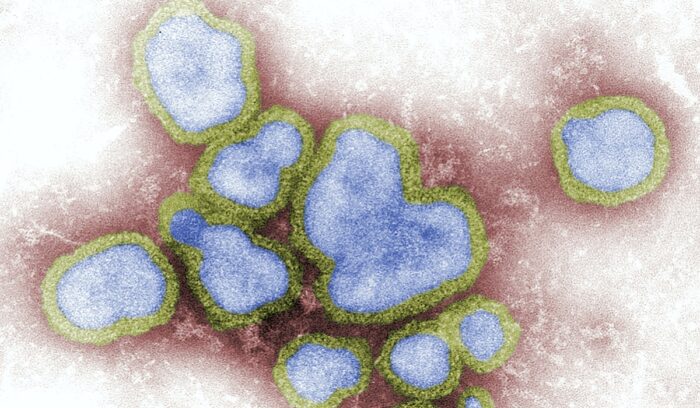
FDA approves the first-ever RSV vaccine for at-risk adults
Pfizer’s RSV vaccine ABRYSVO became the first licensed option for at-risk adults as young as 18, closing a long-standing protection gap for younger people with chronic conditions such as diabetes and asthma. About one in ten U.S. adults aged 18 to 49 has a condition that elevates their RSV risk. The approval extends protection that had previously been available only to older adults.
Drug approvals and medical breakthroughs: new treatments reaching patients
The breadth of new treatments approved or entering late-stage trials in this period reflects a fundamental expansion of what medicine can address. From the first non-opioid acute pain drug in 20 years to stem cell therapies for Parkinson’s, the common thread is the arrival of mechanism-first approaches — drugs designed around the precise biology of a disease rather than repurposed from older platforms. Many of these approvals represent the first effective option for patients who have had none.

FDA approves the first non-opioid acute pain drug in more than 20 years
The FDA’s approval of Journavx (suzetrigine), developed by Vertex Pharmaceuticals, marks the most significant shift in acute pain treatment in over two decades. The drug blocks a specific sodium channel in the peripheral nervous system, offering a non-addictive mechanism distinct from any existing analgesic. It arrives as the U.S. continues to reckon with the consequences of opioid overprescribing.

Japan approves the world’s first iPSC-based Parkinson’s therapy to restore brain function
Japan approved the world’s first iPSC (induced pluripotent stem cell) based therapy for Parkinson’s disease, developed by researchers at Kyoto University. The treatment targets the underlying neurological degeneration of the disease rather than managing symptoms, offering a different category of hope for an estimated 10 million patients globally. It is the first approved therapy anywhere in the world to attempt functional restoration of the brain in Parkinson’s.

FDA approves Onapgo: a wearable continuous apomorphine infusion for Parkinson’s
Onapgo, a wearable device approved by the FDA, delivers a steady infusion of apomorphine under the skin to manage Parkinson’s symptoms continuously without surgery. It bypasses the digestive system, addressing the absorption variability that limits oral medications. The approval gives Americans with advanced Parkinson’s a new non-surgical option ahead of its late 2025 launch.

Helsinki researchers identify gut bacteria as the likely trigger for most Parkinson’s cases
Researchers at the University of Helsinki identified specific strains of Desulfovibrio bacteria in the gut as the likely trigger behind most Parkinson’s cases. Professor Per Saris estimated that about 90% of cases may be linked to these bacteria, pointing toward potential preventive interventions. The finding gives the field a new causal hypothesis to test and potentially target therapeutically.

Blood test achieves 85–88% accuracy detecting Parkinson’s before symptoms appear
Researchers at Kobe University developed a blood assay that reads changes in enzyme activity to detect Parkinson’s disease before symptoms take hold, achieving 85 to 88% accuracy in human and rat models. Earlier detection is widely considered the key to more effective intervention, since neurological damage accumulates before diagnosis. The test moves pre-symptomatic Parkinson’s screening closer to clinical viability.

CAR T-cell therapy sends lupus into remission in all five trial patients
A small German trial using CAR T-cell therapy — originally developed for blood cancers — achieved remission in all five lupus patients treated. Doctors reprogrammed each patient’s own T-cells to clear out the malfunctioning B cells driving the autoimmune disease. The results represent the most striking remission data ever reported for lupus and suggest CAR T could be extended across autoimmune conditions.

Gene therapy cures toddler of fatal metachromatic leukodystrophy in an NHS first
A single infusion of Libmeldy at Royal Manchester Children’s Hospital cured 19-month-old Teddi Shaw of metachromatic leukodystrophy — a rare, fatal nervous system disease — making her the first NHS patient treated for the condition. After treatment, she was reported to be running around and developing normally. The case demonstrated that gene therapy can produce complete cures for diseases that previously had no treatment.

FDA approves baricitinib as the first systemic treatment for alopecia areata
Baricitinib became the first FDA-approved systemic treatment for alopecia areata, a condition affecting roughly 7 million Americans that had no approved option until now. The drug blocks inflammatory signals that cause the immune system to attack hair follicles, giving them the chance to recover. Clinical trials showed it restored significant hair growth in a meaningful proportion of patients.

Pfizer pledges not-for-profit pricing on all 500 drugs in 45 low-income countries
Pfizer expanded its not-for-profit pricing pledge to cover all 500 of its medicines — including chemotherapy and oral cancer treatments — across 45 of the world’s lowest-income countries. The company launched the original accord in 2022, but the expansion to the full portfolio represents a substantially broader commitment. It is the largest single corporate pricing pledge in pharmaceutical history by number of medicines covered.

India develops its first homegrown HPV vaccine at $2.50–$5.00 per dose
CERVAVAC, India’s first domestic cervical cancer vaccine, was developed by the Serum Institute of India and priced at just $2.50 to $5.00 per dose — a fraction of what HPV vaccines have cost in wealthy countries for nearly two decades. The vaccine protects against the HPV strains responsible for most cervical cancers. Its price point makes national-scale immunization programs financially viable for lower-income countries.

3M to halt all PFAS ‘forever chemical’ production by end of 2025
3M announced it will halt all production of PFAS ‘forever chemicals’ by the end of 2025, exiting a business that generated roughly $1.3 billion annually and absorbing up to $2.3 billion in pre-tax charges to do so. The decision reflects the scale of regulatory and legal pressure that has built around PFAS contamination. It marks a structural retreat by the largest single producer of these compounds.
Mental health, addiction, and the psychedelics frontier
Mental health policy and psychedelic medicine are experiencing their most significant convergence in decades. Across the stories in this section, the shared dynamic is the movement of once-fringe approaches — decriminalization, psychedelic therapy, psychedelic-derived pharmaceuticals — into mainstream clinical and legal frameworks. The speed of that movement, from Australia’s world-first prescription approval to Texas funding a $50 million ibogaine trial, signals a genuine paradigm shift.

Global suicide rate has dropped nearly 40% since the early 1990s
The global suicide rate has fallen from roughly 15 deaths per 100,000 people to around nine since the early 1990s — a nearly 40% decline that represents one of public health’s most significant and underreported achievements. The decline was driven by expanded mental health services, crisis intervention programs, and means restriction policies across multiple countries. The scale of the improvement is comparable to major infectious disease milestones but receives far less recognition.

Australia becomes the first country to legally recognize psilocybin and MDMA as medicines
Australia became the first country in the world to give psychiatrists a legal pathway to prescribe psilocybin and MDMA as regulated treatments for PTSD and treatment-resistant depression. The approval applies to patients who have cycled through existing treatments without relief, providing a regulated last-resort option. It marks the formal entry of psychedelic medicine into mainstream clinical practice in a major developed country.

First European psychedelic drug trial clinic opens in the U.K.
The opening of Clerkenwell Health’s dedicated psychedelic medicine clinic in the U.K. moved psychedelic therapy from university labs into commercial clinical infrastructure designed to carry compounds through late-stage trials. The clinic’s first focus is patients facing terminal diagnoses. It represents the infrastructure side of the psychedelic medicine transition — the point at which research becomes a scalable treatment pathway.

Compass Pathways launches world’s first Phase 3 psilocybin trial for treatment-resistant depression
Compass Pathways announced the launch of the world’s first Phase 3 clinical trial of psilocybin for treatment-resistant depression, enrolling nearly 1,000 participants across two pivotal studies. Phase 3 is the threshold every drug must cross to reach regulatory approval. The scale and design of the trial represent the most serious attempt yet to bring psilocybin through the full regulatory pipeline.

Texas funds $50 million ibogaine research program — the largest state psychedelic initiative in U.S. history
The Texas Legislature passed HB 3717 with bipartisan support, authorizing $50 million for supervised clinical trials of ibogaine — a plant-derived compound with promising evidence for addiction and PTSD treatment. The funding makes it the largest state-funded psychedelic research initiative in U.S. history. The bipartisan backing signals that psychedelic medicine has moved beyond political categorization.

British Columbia becomes the first Canadian province to decriminalize personal drug possession
British Columbia replaced criminal arrest for personal possession of certain substances with a referral to care — one of the most significant public health pivots in Canadian history. The policy change addressed the documented barrier that fear of police created for people seeking help with addiction. It represents the application of a harm-reduction framework at the scale of a whole province.

FDA approves over-the-counter Narcan, the first OTC opioid overdose reversal drug in U.S. history
The FDA cleared the 4 mg naloxone nasal spray for over-the-counter sale at pharmacies, convenience stores, and other retailers without a prescription — the first opioid overdose reversal drug ever to achieve that status in the United States. The medication works within minutes and is now accessible without a doctor’s visit or prescription. The decision removes the most significant distribution barrier to the most effective tool available for preventing overdose deaths.
Maternal health, child health, and access to care
Maternal and child health progress in this period is being driven by the intersection of new science and the removal of access barriers — not one or the other alone. Across these stories, the recurring finding is that proximity, cost, and convenience determine whether a health advance reaches the population it was designed to serve. From Virginia’s nurse-midwife independence to Tennessee’s Medicaid diaper program, the wins here are as much administrative as scientific.

Virginia eliminates physician supervision requirement for certified nurse-midwives
Virginia gave certified nurse-midwives the right to practice independently by eliminating its physician supervision requirement, addressing a critical gap in maternity care particularly in rural counties where obstetric services are scarce. Research cited in the reform shows that independent midwifery practice is associated with positive outcomes for low-risk pregnancies. The change represents a structural fix to a workforce problem that no new drug could solve.

All 50 U.S. states now have rape kit reform laws after a 16-year campaign
With Maine’s new law on May 1, 2026, all 50 states, Washington D.C., and Puerto Rico now have at least one pillar of rape kit reform on the books — the completion of a 16-year campaign that began when survivors started writing letters to actress Mariska Hargitay. The reforms address the systematic failure to test rape kits that left survivors without justice and perpetrators unidentified. The milestone represents the completion of a nationwide survivor-led policy campaign.

Tennessee becomes the first U.S. state to provide free diapers through Medicaid
Tennessee will provide 100 free diapers per month through Medicaid to every family with a child under two, becoming the first state in the country to run a program of this kind. Advocates estimate the program will deliver close to 100 million diapers a year to families who need them. The initiative addresses a documented child health gap — diaper need is associated with increased rates of diaper rash, infection, and parental stress.

Finland cuts teen abortion rate by 66% through free contraception in youth clinics
Finland reduced its teenage abortion rate by 66% over roughly two decades by weaving no-cost birth control into the same youth clinics where teenagers already sought other health services. The approach removed both the cost barrier and the logistical barrier simultaneously. It is one of the steepest recorded declines in teen abortion rates in any high-income country.

Stem cell patch applied during pregnancy treats spina bifida before birth
A clinical trial at UC Davis Health is applying a stem cell patch directly to a fetus’s spine during pregnancy to support repair of the nerve damage caused by spina bifida before it accumulates further. Until now, medicine could only respond to spina bifida damage after birth. The trial reframes fetal surgery from corrective to regenerative.

Australian scientists find first biomarker at birth that can identify SIDS risk
Researchers in Australia discovered that babies who died of SIDS had measurably lower levels of a specific enzyme detectable at birth — the first biological signal that distinguishes vulnerable infants from others. The finding opens the possibility of a screening test that could identify at-risk infants and prompt targeted monitoring. SIDS has resisted biological explanation for generations, making this the most significant mechanistic lead yet identified.

Mexico launches universal healthcare covering all 133 million citizens
Mexico officially launched a universal healthcare system through the restructured IMSS-Bienestar network, designed to cover all 133 million citizens. Before the reform, an estimated 50 million Mexicans had no formal health insurance, with rural and Indigenous communities most exposed to that gap. The launch represents the largest single healthcare coverage expansion in the Western Hemisphere in decades.
Environmental health, early diagnostics, and the health infrastructure of the future
Some of the most durable public health wins are the ones that remove the sources of harm from the environment entirely, or build the diagnostic infrastructure to catch disease before it becomes catastrophic. The stories in this section share a forward-looking character: they are about what the health system is becoming — its tools, its platforms, its capacity to detect and prevent — rather than treatments for conditions already established.

Lead pollution in American bodies has dropped 100-fold over a century
Blood lead levels in U.S. residents have fallen roughly 100-fold over the past century, driven primarily by the phase-out of leaded gasoline and the 1978 federal ban on lead-based paint. The reduction is described as one of the greatest public health achievements in American history. The ongoing work — including the Flint pipe replacement — reflects continued application of that same logic: remove the source.

Flint completes replacement of all 11,000 lead service lines a decade after the water crisis
Michigan officials confirmed in a court filing that all 11,000 lead service lines in Flint have been replaced and more than 28,000 properties restored — fulfilling a core requirement of the city’s $26 million legal settlement. The milestone arrives more than a decade after the water crisis first exposed residents to lead contamination. It closes the infrastructure chapter of one of the most consequential environmental health failures in recent U.S. history.

The Netherlands caps flights at Schiphol — the first democratic government to hard-cap aviation pollution
The Netherlands became the first democratic government to hard-cap annual flight numbers at a major international airport, treating aviation emissions the same way other polluting industries are regulated. Schiphol is Europe’s third-busiest airport. The decision set a precedent for linking aviation infrastructure directly to public health and environmental standards.

FDA authorizes first COVID-19 breath test, returning results in three minutes
The FDA authorized the first device capable of detecting COVID-19 from a single exhale, with results returned in about three minutes. Made by InspectIR, the device identifies a signature pattern of five compounds the body releases during infection. The approval represented a new category of diagnostic tool — one requiring no sample collection beyond a breath.

Lab-grown blood cells safely transfused into human patients for the first time
Manufactured red blood cells grown from stem cells were successfully and safely transfused into human patients for the first time. What makes these cells distinct from donated blood is their freshness — every lab-grown cell is new, with full remaining lifespan. The milestone opens a path toward manufactured blood supply that could address chronic shortages for patients with rare blood types.

Monash University develops bionic eye that bypasses optic nerve damage to restore vision
Gennaris, developed at Monash University, is a bionic vision system that bypasses the eye entirely, sending signals from a camera headset directly to the brain’s visual cortex. It is designed for people whose blindness results from optic nerve damage — a group that most existing visual aids cannot help. The device represents a new class of sensory prosthetic that works around the damaged pathway rather than through it.

New York opens first legal recreational cannabis dispensary, with first license going to a nonprofit serving HIV patients
New York’s first legal recreational cannabis dispensary opened with its retail license going to Housing Works, a nonprofit serving people with HIV, homeless New Yorkers, and the formerly incarcerated. Revenue from the shop flows back into those communities directly. The choice of licensee embedded a health equity principle into the structure of legalization from its first day.
Minnesota legalizes recreational cannabis with automatic clearing of tens of thousands of convictions
Minnesota’s cannabis legalization law included one of the most ambitious record-clearing efforts in the country, automatically expunging tens of thousands of low-level marijuana convictions. Adults 21 and older can now legally possess cannabis under the law. The pairing of legalization with expungement addressed both the public health and the justice dimensions of prior criminalization policy.

Duke University radioactive gel implant produces record preclinical results against pancreatic tumors
A radioactive gel implant developed at Duke University injects directly into pancreatic tumors, trapping iodine-131 at the tumor site and producing preclinical results researchers describe as having no match in the existing scientific record for the disease. Pancreatic cancer has the lowest survival rate of any major cancer. The device approach sidesteps the delivery and distribution problems that have limited systemic radioactive treatments.

Japan approves first abortion pill, with 93% complete abortion rate in trials
Japan approved its first abortion pill in 2023, with clinical trials showing 93% of participants had a complete abortion within 24 hours. Until that vote, Japan had been one of the last developed nations offering only surgical options. The approval brought Japan into alignment with the standard of care in most of the world and significantly expanded reproductive healthcare access for Japanese women.
More public health wins stories

Hong Kong researchers develop world-first nasal spray for stroke, cutting damage 80%

Minnesota becomes 23rd U.S. state to legalize recreational marijuana
The outlook
The trajectory is genuinely encouraging, but uneven. North Korea is running its first comprehensive immunization campaign in years with UNICEF support. Sudan launched its malaria vaccine rollout amid shuttered hospitals. Progress is reaching hard places, but it is fragile there.
The pipeline of treatments moving toward patients is larger and more diverse than at any previous point: stem cell therapies for Parkinson’s approved in Japan, psilocybin entering Phase 3 trials, a universal fungal vaccine in preclinical testing, lab-grown blood cells successfully transfused for the first time.
Whether this momentum continues depends on whether access keeps pace with discovery. The deals being struck now — on drug pricing, generic licensing, and healthcare coverage — will determine whether the next decade’s science reaches the billion people who still lack reliable access to basic health services.
Frequently asked questions
What are the biggest public health wins of the past decade?
The biggest global public health wins include Africa’s certification as wild-poliovirus-free, a nearly 40% drop in the global suicide rate since the 1990s, a 100-fold reduction in blood lead levels in American bodies, Botswana cutting mother-to-child HIV transmission from 40% to below 1%, the WHO’s approval of the first malaria vaccine, and Mexico launching universal healthcare for 133 million citizens. New drug approvals — including a 99.9%-effective HIV prevention shot and a cancer drug that eliminated tumors in 100% of trial patients — have added to a remarkable recent record.
Has Finland ended homelessness?
Finland has not ended homelessness entirely, but it has dramatically reduced it through a ‘Housing First’ policy approach — one of the most successful in the world. The country provides stable housing as a foundation before addressing other needs like addiction or mental health, rather than requiring those conditions to be resolved first. Finland’s approach is widely cited as a model, though some homelessness still exists, particularly in Helsinki.
Does Finland have homeless people?
Yes, Finland still has homeless people, but significantly fewer than most comparable countries. Its long-running ‘Housing First’ program has reduced chronic homelessness to very low levels and is considered one of the most effective national responses to homelessness anywhere. Finland’s free contraception program — which cut teen abortion rates by 66% — is a separate public health achievement that illustrates the country’s broader investment in preventive healthcare.
What is lenacapavir and how effective is it at preventing HIV?
Lenacapavir (brand name Yeztugo) is a twice-yearly injectable HIV prevention drug approved by the FDA. Clinical trials showed it stopped HIV transmission in more than 99.9% of participants — the highest efficacy ever recorded for a PrEP option. Gilead Sciences has also licensed generic manufacturers to produce it cheaply for 120 low-income countries, making it one of the first HIV prevention breakthroughs to have an affordability pathway built in from the start.
Is there a vaccine for malaria now?
Yes — two malaria vaccines are now approved and in use. The WHO recommended RTS,S for broad use in sub-Saharan Africa after pilot programs delivered more than 2.3 million doses in Ghana, Kenya, and Malawi. A second vaccine, R21/Matrix-M developed at Oxford, was first approved in Ghana and has since had its price cut by roughly 25%, unlocking an estimated 30 million additional doses and extending protection to 7 million more children by 2030.
What is the global suicide rate trend?
The global suicide rate has dropped nearly 40% since the early 1990s, falling from roughly 15 deaths per 100,000 people to around nine. This makes it one of modern public health’s most significant and underreported victories. The decline has been driven by expanded mental health services, crisis intervention infrastructure, and means restriction policies across multiple countries.
About this article
🤖 This article is AI-generated, based on a framework created by Peter Schulte.
🌍 It aims to be inspirational but clear-eyed, accurate, and evidence-based, and grounded in care for the Earth, peace and belonging for all, and human evolution.
💬 Leave your notes and suggestions in the comments below — I will do my best to review and implement where appropriate.
✉️ One verified piece of good news, one insight from Antihero Project, every weekday morning. Subscribe free.
