
The world’s first all-electric tugboat to sail in 2023
Crowley Maritime Corporation recently revealed their design for eWolf — the world’s first all-electric harbor tugboat, due to hit the water over the next two years.
Transportation shapes how people access jobs, healthcare, education, and each other. This archive tracks real progress in transit, infrastructure, electric vehicles, cycling, and more — from local wins to national policy shifts worth knowing about.
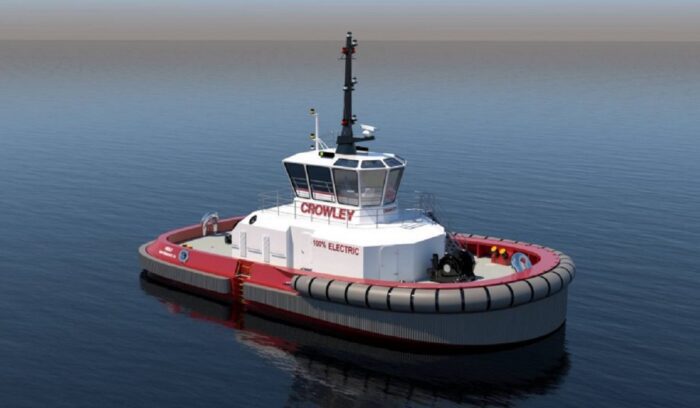
Crowley Maritime Corporation recently revealed their design for eWolf — the world’s first all-electric harbor tugboat, due to hit the water over the next two years.

Ford, GM, and Stellantis (including its subsidiary Chrysler) have vowed that up to 50% of their car sales will be electric by 2030.

In an effort to accelerate the global transition to all-electric transportation, Indonesia has announced that it will end the sale of combustion engine motorcycles by 2040 and combustion engine cars by 2050.

Nissan introduced the LEAF to the Philippines on May 9, officially plugging the country into the electric vehicle era.

The Drivers Cooperative’s founders see their new project as a way for drivers to escape what they describe as exploitation on the part of Uber and Lyft.

On May 13, the company announced it plans “to invest $7.4 billion in the U.S. by 2025 to produce future EVs, enhance production facilities, and further its investments in smart mobility solutions.”

The U.K. has established an important international precedent, being the first major economy to account for its airline and shipping emissions under its carbon budget.

Honda’s new commitment to electrification was announced by CEO Toshihiro Mibe on Friday, and forms part of the company’s wider goal of achieving carbon neutrality across its entire operation by 2050.

Having demonstrated the concept, they will begin production of the trucks in 2022 and provide a “dedicated network of Freightliner dealers to support the end-to-end process of fleet electrification.”

City councils must give four years’ notice before imposing bans as part of government plans for emission-free road traffic by 2050. The city bans aim to save 1 megaton of CO2 each year by 2030.