Southeast Asia

Thai flag

Thailand makes hormone therapy free for trans people

Just days after marriage equality became the law in Thailand, the country’s national health ministry added hormone replacement therapy (HRT) to the free health services available to citizens. The Public Health Ministry allocated 145 million baht to the National Health Security Office for HRT. The targeted funds will cover the HRT needs of 200,000 transgender Thais. Until now, self-funding for HRT has prevented some trans individuals from gaining access to proper care, leading to health risks if they resorted to purchasing and using hormones without medical supervision.

Landfill. A lot of plastic garbage. Environmental problems.

Thailand bans imports of plastic waste to curb toxic pollution

A law banning imports of plastic waste came into force in Thailand, after years of campaigning by activists. Thailand is one of several south-east Asian countries that has historically been paid to receive plastic waste from developed nations. Thai customs officials said more than 1.1 million tons of plastic scraps were imported between 2018 and 2021. Imports of plastic were often mismanaged, with many factories burning the waste rather than recycling it, leading to damage to human health and the environment.

Indonesian children smiling

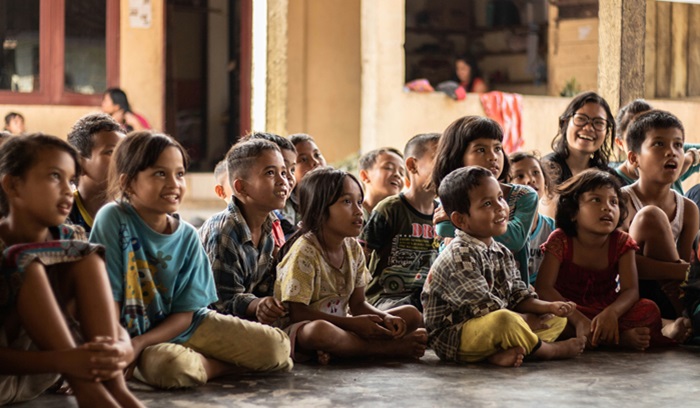
Indonesia launches free meals program to feed millions of children and pregnant women

The Free Nutritious Meal program delivers on a campaign promise by President Prabowo Subianto, who was elected last year to lead the nation of more than 282 million people and Southeast Asia’s largest economy. It aims to fight the stunting of growth that afflicts 21.5% of Indonesian children younger than 5 and help raise income for the nation’s farmers. The government’s target is to reach an initial 19.5 million schoolchildren and pregnant women in 2025 with a budget of $4.3 billion USD, and more than 80 million people at a cost of $28 billion USD by 2029.

Coal

Indonesia aims to phase out all coal-fired and fossil fuel power plants by 2040

Indonesian president Prabowo Subianto has announced his country will seek to phase out all coal-fired and fossil fuel power plants by 2040, pairing the goal with a target to build over 75 GW of renewable energy capacity over the same period. This brings forward Indonesia’s goal of retiring coal-fired power plants from 2056 to 2040. As the world’s fifth-largest operator of coal-fired power capacity at 52.3 GW, Indonesia’s promise to transition completely away from coal could serve as a pivotal step towards global decarbonization if implemented as planned.

Thai flag

Thailand moves to end statelessness for nearly 500,000 people in “historic development”

Thailand’s cabinet has approved an accelerated pathway to permanent residency and nationality for nearly half a million stateless people, marking one of the region’s most significant citizenship initiatives. The decision will benefit 335,000 longtime residents and members of officially recognized minority ethnic groups, along with approximately 142,000 of their children born in Thailand. The country recently pledged at the Global Refugee Forum 2023 to resolve statelessness and was among the founding members of UNHCR’s Global Alliance to End Stateless, launched in October 2024.

Virus up close

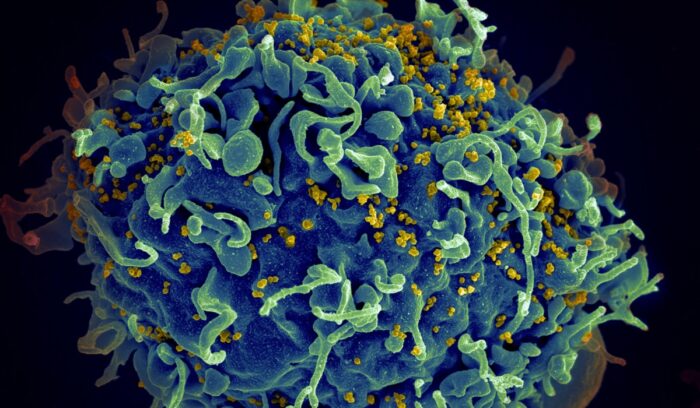
‘Gamechanger’ HIV prevention drug to be made available cheaply in 120 countries

Gilead Sciences says it has signed agreements with six manufacturers to make and sell generic lenacapavir in 120 “high-incidence, resource-limited” countries. Lenacapavir, given as a twice-yearly injection, has shown strong results for HIV prevention. It stopped infection in a trial involving girls and women in South Africa and Uganda, and offered almost complete protection in a second trial that mainly involved men across Argentina, Brazil, Mexico, Peru, South Africa, Thailand, and the U.S.

Good news for LGBTQ rights

Thailand becomes first Southeast Asian country to legalize marriage equality

The bill legalizing same-sex marriage was passed by Parliament earlier this year, and King Maha Vajiralongkorn has now made it law by providing Royal Assent. It will take effect in 120 days, with the first weddings being expected to take place in January. The move means that marriage laws will no longer use terms like “husband” and “wife” and such terms have been replaced with inclusive, gender-neutral language such as “partner.” Same-sex couples now have the same legal rights as their heterosexual counterparts, such as adoption and inheritance rights.

Amazon River Rainforest

Malaysian court shuts down hydroelectric dam project on Indigenous land

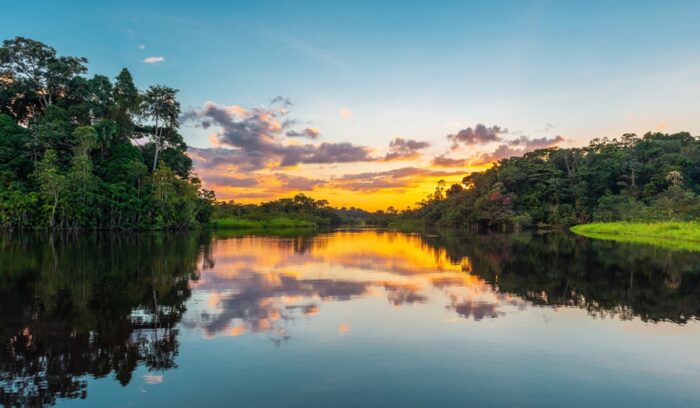
A Malaysian court ruled this week that hydropower companies building a dam on land belonging to the Indigenous Semai people of Malaysia’s Perak state had failed to secure proper consent and must halt operations immediately. The court also ruled that the state and federal governments, and the federal agency tasked with overseeing Indigenous affairs, had failed in their duty to protect Indigenous land from encroachment. Activists expressed relief and elation at the verdict, which marks a major milestone for land rights for Malaysia’s Indigenous peoples, known collectively as Orang Asal.
The verdict can still be appealed.

Coral

$35 million debt-for-nature deal aims to protect Indonesia’s coral reefs

A $35 million debt-for-nature swap between Indonesia and the U.S. aims to conserve coral reefs in eastern Indonesia over the next nine years, with the funding offset by canceled sovereign debt payable to the U.S. Indonesian conservation groups and their international partners will implement ground programs to protect reefs in key areas, strengthen marine protected areas and support community livelihoods under the deal.

Tiger lying down

Thai tiger numbers swell as prey populations stabilize in western forests

The tiger population density in a series of protected areas in western Thailand has more than doubled over the past two decades, according to new survey data. Thailand is the final stronghold of the Indochinese tiger, the subspecies having been extirpated from neighboring Cambodia, Laos, and Vietnam over the past decade due to poaching, habitat loss, and indiscriminate snaring.