South Asia

Rhino along a river

India’s rhino stronghold records zero poaching cases in 2025

This achievement marks the second time in five years that the state has successfully protected its world-famous one-horned rhinoceros population from poachers. Before the initial success in 2022, Assam had not seen a zero-poaching year since 1977. This milestone is critical for global biodiversity, as Assam is home to roughly 70% of the world’s greater one-horned rhinos.

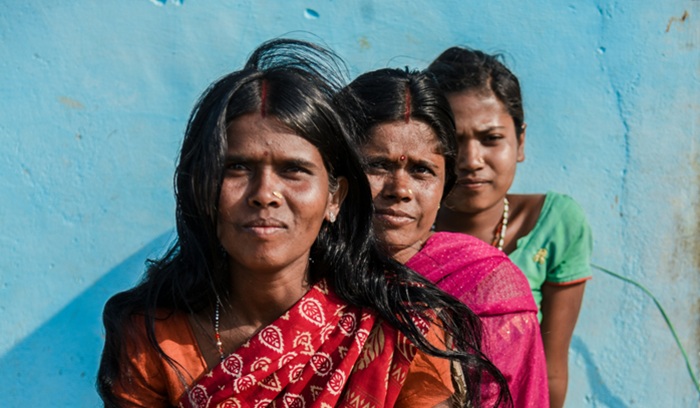
Indian women

Indian states sending cash transfers to 118 million women for unpaid household work

Several Indian states have launched schemes to provide unconditional monthly financial compensation to homemakers. These programs are now delivering direct cash transfers to over 118 million women nationwide. This policy innovation recognizes the immense value of unpaid domestic labor, empowering women with financial independence to support their families’ health and education. It sets a powerful global precedent for validating care work as essential to the economy.

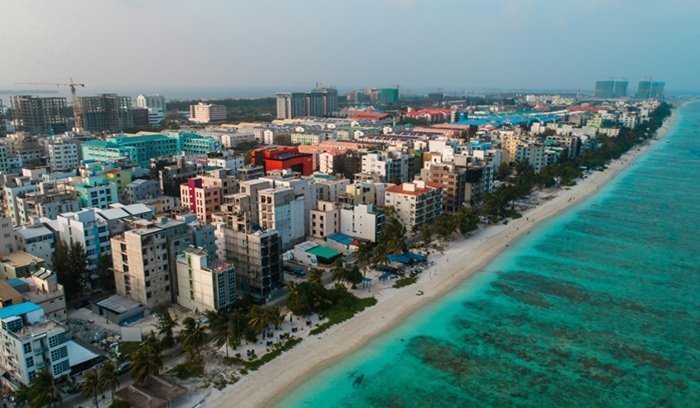
Male, Maldives

The Maldives becomes first country to eliminate mother-to-child transmission of HIV, syphilis & hepatitis B

The Maldives has achieved a major public health victory by eliminating mother-to-child transmission of HIV, syphilis, and Hepatitis B (HBV). This historic WHO-verified status makes the nation a global leader in maternal and child health. The success is rooted in universal antenatal screening and equitable access to medication across all islands. This achievement secures a healthier start for future generations and provides a powerful blueprint for eliminating other diseases globally.

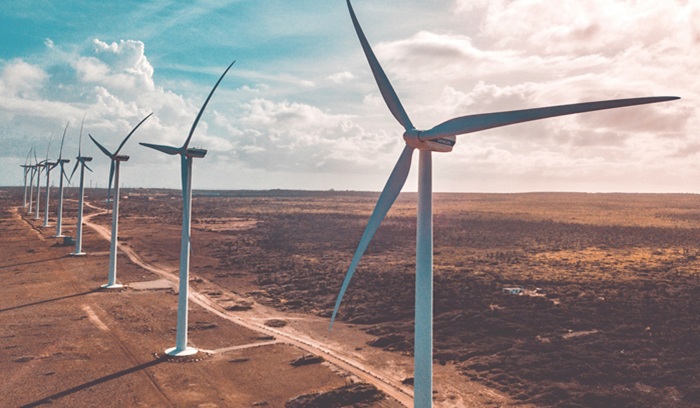
Wind turbines in the desert

Clean energy to provide one-third of India’s utility electricity for first time ever

India’s energy sector is experiencing a monumental shift, marked by a record 20% surge in clean electricity generation in the first half of 2025. This significant increase, fueled by wind and solar power, has allowed the country to reduce its fossil fuel output by 4%. The growing share of clean power in India’s energy mix demonstrates that robust economic growth and environmental sustainability are not mutually exclusive goals.

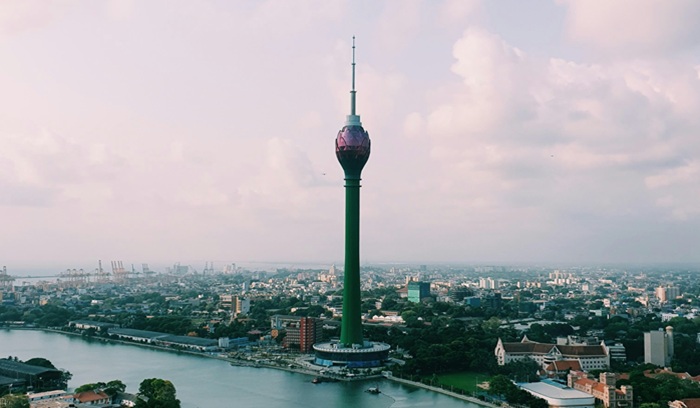
Colombo, Sri Lanka

Sri Lanka Supreme Court orders $1 bn payment for X-Press Pearl disaster

Sri Lanka’s Supreme Court has issued a landmark verdict, ordering the owners, operators, and local agents of the MV X-Press Pearl to pay $1 billion in compensation for the catastrophic marine disaster off Colombo in 2021. The Singapore-flagged ship caught fire and sank, releasing billions of plastic nurdles and toxic chemicals, ruining marine ecosystems and coastal livelihoods. The court upheld the “polluter pays” principle and mandated the creation of an independent compensation commission, with the first instalment due by September 23, 2025. This judgment sets a powerful precedent for environmental justice and accountability in the Global South.

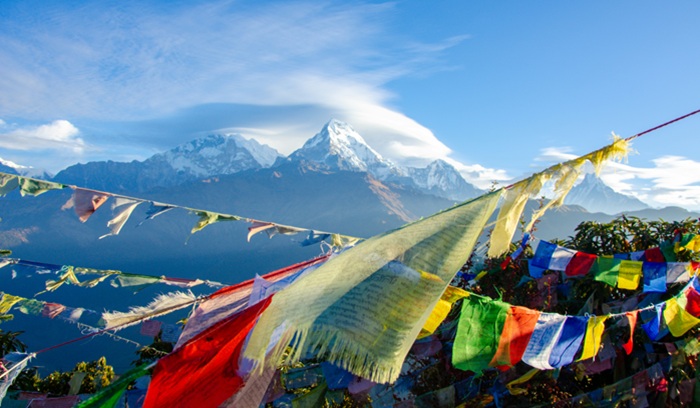
Poon Hill, Histan Mandali, Nepal

Nepal eliminates rubella as a public health problem

Nepal has officially eliminated rubella, a contagious virus that can cause serious complications for pregnant women and lifelong disabilities for newborns. Once a major public health concern, rubella often led to miscarriage, stillbirth, or congenital rubella syndrome, which can result in heart defects, deafness, and developmental challenges. Thanks to sustained vaccination campaigns and resilient health systems, Nepal has now achieved over 95% coverage since 2012. Verified by the World Health Organization, this milestone means safer pregnancies, healthier children, and greater hope for future generations.

Solar in the foreground, wind turbines in the background

India now gets 50% of its energy from non-fossil sources

The world’s most populous nation has achieved the milestone of generating a majority of its installed electricity capacity from non-fossil fuel sources — five years ahead of its 2030 target under the Paris Agreement. India’s renewable power output rose at its fastest pace since 2022 in the first half of 2025, while coal-fired generation declined nearly 3%. The country added nearly 28 GW of solar and wind in 2024 and had already added 16 GW of wind and solar capacity by June 2025.

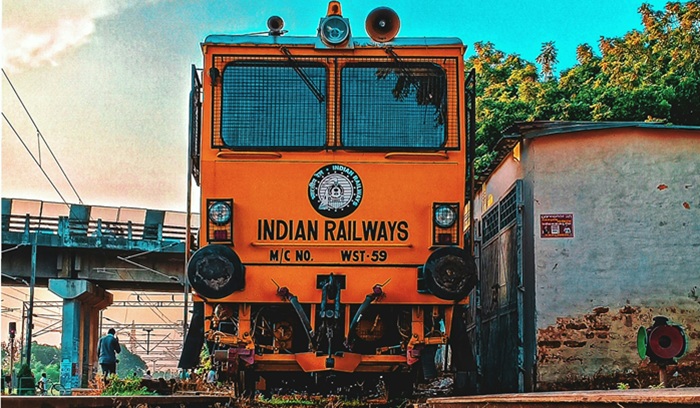
Indian Railways train

Indian Railways to achieve net zero targets in 2025 – 5 years ahead of schedule

Indian Railways operates roughly 12,000 trains daily, carrying over one billion tons of goods and more than 8.5 billion passengers annually. Now, over 90% of the nationwide railways’ traction energy comes from electric rather than fossil sources, with plans to increase this to 95% by 2030. This shift has led to a substantial decrease in operational costs and direct greenhouse gas emissions, with a reduction of 2.2 million tons of CO2 expected by the end of 2025.

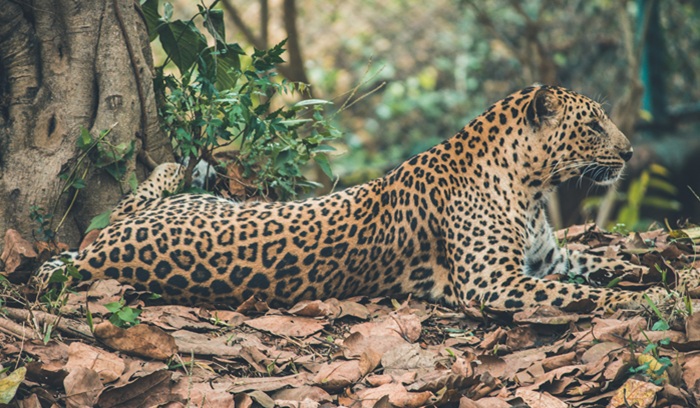
Leopard

Sri Lanka’s Kumana National Park emerges as a stronghold for vulnerable leopards

A new study reports a notably high density of Sri Lankan leopards in the country’s Kumana National Park. Using camera traps, the study recorded more than 90 leopard encounters, including 34 identified individual leopards, captured on film across a 16-month survey period. Since 2017, a citizen science program has also recorded 80 individual leopards in Kumana, using a naming system to identify each individual. The Sri Lankan leopard is tagged as a species “vulnerable” to extinction, according to the IUCN Red List criteria.

Indian young woman at computer

Women’s participation in India’s tech sector triples in last four years

India’s tech workforce has seen a significant shift over the past four years, with female participation increasing from 10% in 2020 to 28% in 2024, according to a new report. This growth is driven by advancements in digital infrastructure, increased access to remote work opportunities, and the expansion of Diversity, Equity, and Inclusion (DEI) initiatives. However, despite improvements at the entry level, women’s representation in senior leadership positions remains low, growing only marginally from 11% in 2020 to nearly 14% in 2024.