
Brazil moves to oust illegal miners from Indigenous lands in the Amazon
The invasion of miners has contributed to the spread of malaria among the Yanomami, with devastating consequences
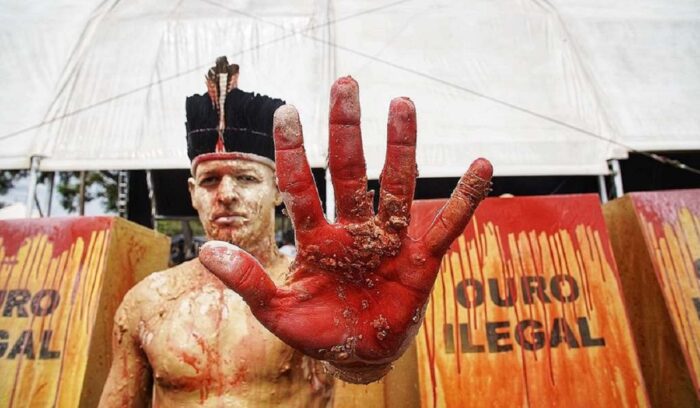
The invasion of miners has contributed to the spread of malaria among the Yanomami, with devastating consequences
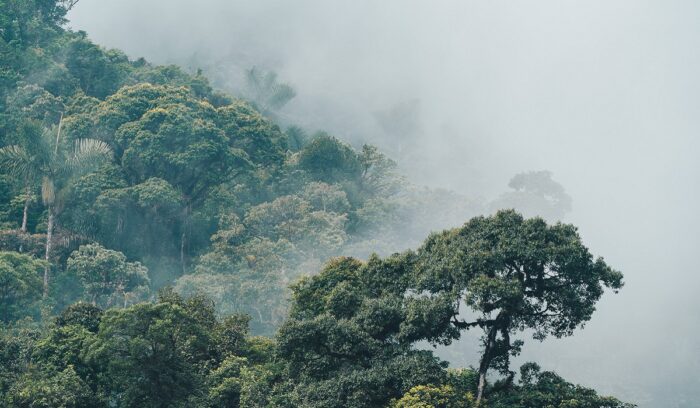
The Tarímiat Pujutaí Nuṉka Reserve of Andean and Amazonian forests in the Morona Santiago province of eastern Ecuador, where numerous Shuar and Achuar communities have for years been fending off numerous drivers of deforestation.
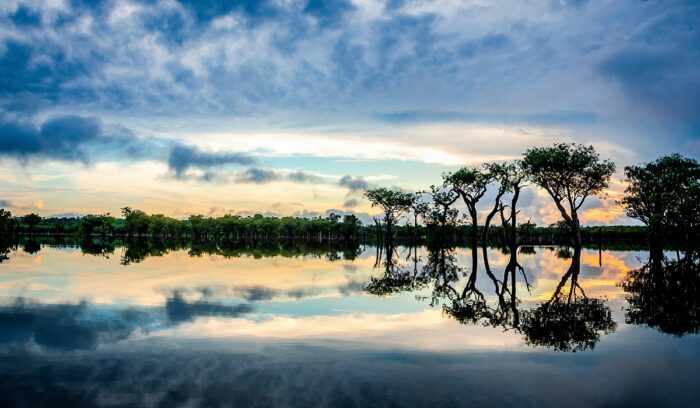
One of the decrees annuls mining in Indigenous lands and protected areas, another resumes plans to combat deforestation in the Amazon and Cerrado biomes, and a third reinstates the Amazon Fund.

Trawl nets literally sweep the ocean floor, turning a complex ecosystem into a desert.

Ecuador’s National System of Protected Areas now includes the 13,583-acre ancestral Tiwi Nunka Forest in the country’s south.
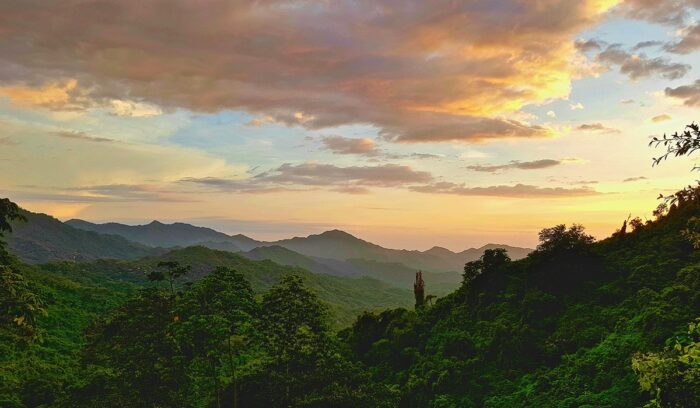
Heritage Colombia is a $245-million initiative to support the creation, expansion and improvement of 32 million hectares (nearly 80 million acres) of protected land and marine areas in the country over the next decade.
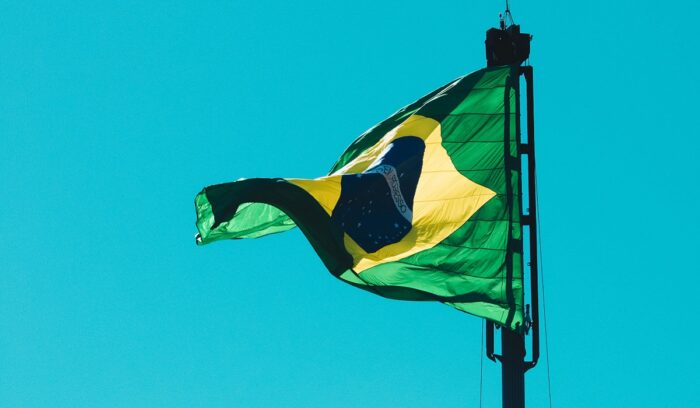
As a result of the ruling, if Brazil’s Congress passes a law that conflicts with the Paris Agreement, the Paris Agreement should take precedence.

The project aims to grow one million fragments of coral and restore 200 hectares of reefs by 2023.

Marquez is a celebrated environmental activist whose opposition to gold mining in her home municipality of Suarez saw her receive the prestigious Goldman Environmental Prize in 2018.
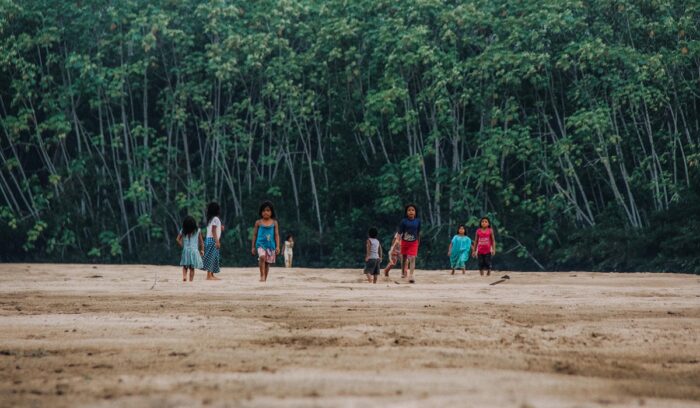
A coexistence agreement signed between the Nukak and local campesinos is bringing the Indigenous community closer to returning to their territory.