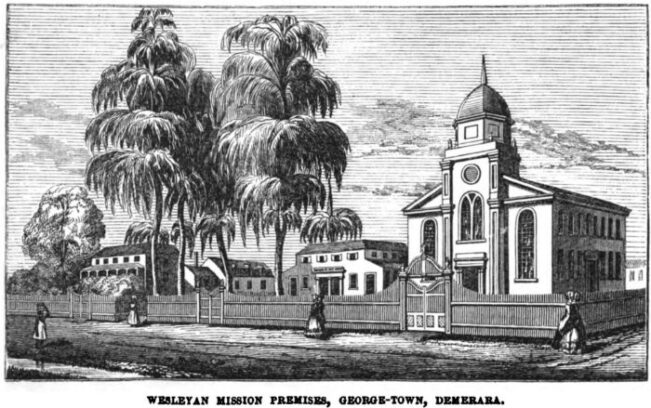
The Dutch found what is now Georgetown, Guyana
Georgetown is now the country’s capital and largest urban center. It is situated on the Atlantic Ocean coast at the mouth of the Demerara River and it was nicknamed the “Garden City of the Caribbean.”
n 1616 the Dutch established the first European settlement in the area of Guyana, a trading post twenty-five kilometers upstream from the mouth of the Essequibo River. Other settlements followed, usually a few kilometers inland on the larger rivers.
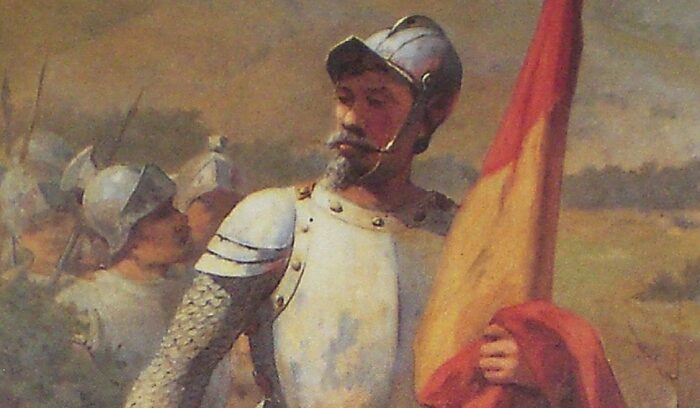
On 25 July 1567, Captain Diego de Losada laid the foundations of the city of Santiago de León de Caracas. Caracas is now the capital and largest city of Venezuela.
The main reason for this rather unusual alliance between separate tribes was to react against slavery and wholesale murder and destruction wrought by the early Portuguese discoverers and colonisers of Brazil onto the Tupinambá people.
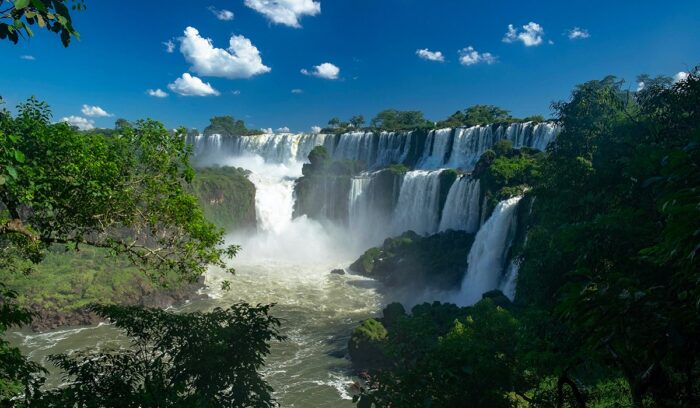
The first European to discover the Falls was the Spanish Conquistador Álvar Núñez Cabeza de Vaca in 1541, after whom one of the falls on the Argentine side is named.
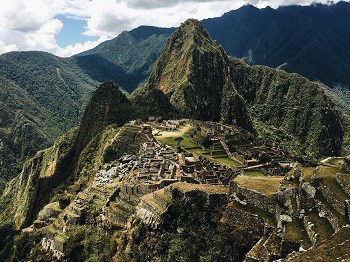
Built in the 15th century and later abandoned, it’s renowned for its sophisticated dry-stone walls that fuse huge blocks without the use of mortar, intriguing buildings that play on astronomical alignments and panoramic views.
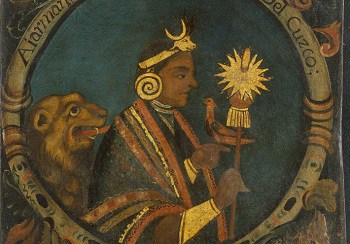
From 1438 to 1533, the Incas incorporated a large portion of western South America, centered on the Andean Mountains, using conquest and peaceful assimilation, among other methods.
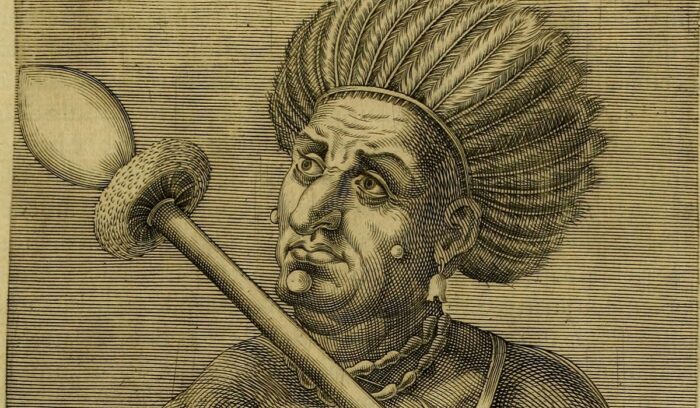
Mariche is the name of a former native Venezuelan tribe. Not much information from them as a tribe has survived to the present day. One of their more celebrated chiefs was Tamanaco who led them in the fight against the Spanish conquistadors during the 1560s and 1570s.
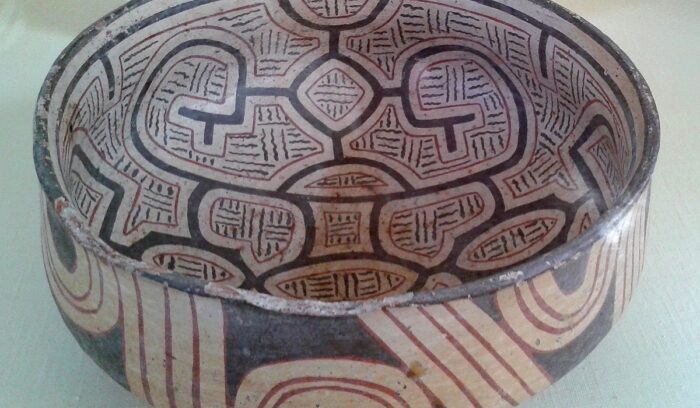
The Marajoara culture was a pre-Columbian era society that flourished at the mouth of the Amazon River likely between 800 C.E. and 1400 C.E.
Based at their capital Huari, the Wari successfully exploited the diverse landscapes they controlled to construct an empire administered by provincial capitals connected by a large road network.