
12 nations sign the UNASUR Constitutive Treaty
The UNASUR Constitutive Treaty officially established the Union of South American Nations, an intergovernmental continental union of twelve South American nations.

The UNASUR Constitutive Treaty officially established the Union of South American Nations, an intergovernmental continental union of twelve South American nations.

The constitution instituted the first meaningful system of checks and balances the country had ever seen.
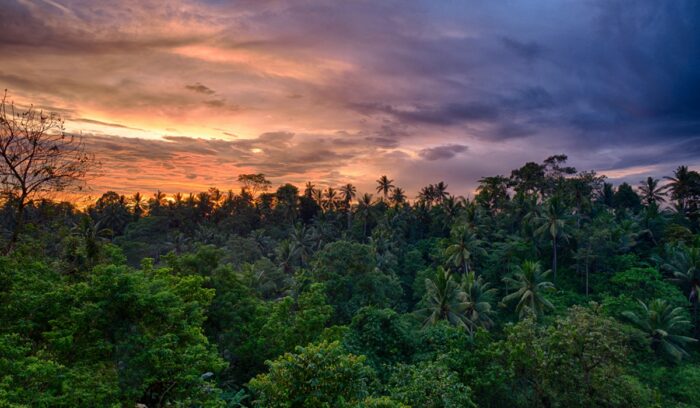
Chiribiquete National Park is the largest national park in Colombia and the largest tropical rainforest national park in the world. It covers about 17,000 square miles and hosts important archaeological evidence in the form of rock art. More than 600,000 traces of around 20,000 petroglyphs and pictographs have been discovered in the mountain chain, the oldest of which may date to 20,000 years BP.

The Uruguayan author’s famous work has been described as “the most powerful literary indictment of colonialism in the Americas.”
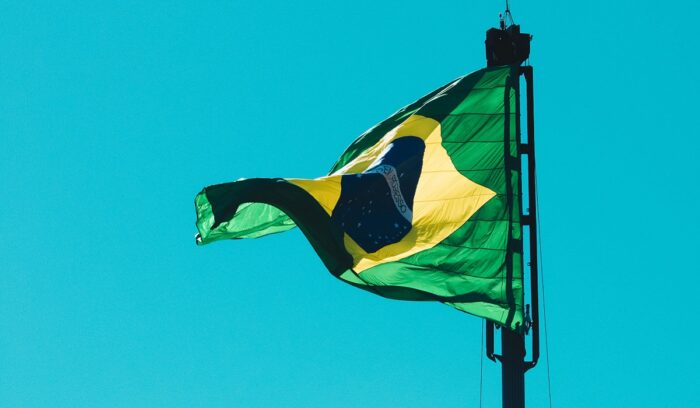
The negotiated transition to democracy reached its climax with the indirect election of Tancredo Neves PMDB by Congress. He was the first civilian president to be elected since 1964.
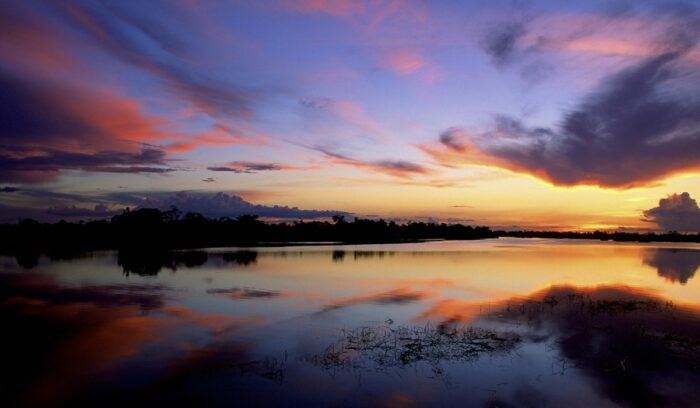
The massive reserve, covering more than 5 million acres of rainforest, is a central piece of Brazil’s Amazon conservation efforts and has been inscribed as a UNESCO World Heritage site.
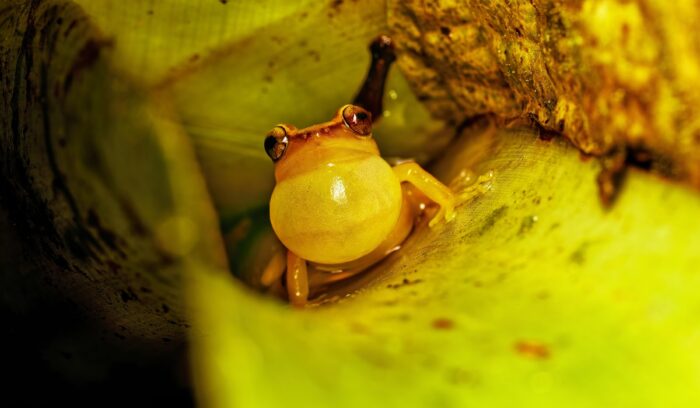
Arguably the most biologically diverse spot on Earth, it remains the South American nation’s largest national park. It is within the claimed ancestral territory of the Huaorani Indigenous people and is home to two uncontacted Indigenous tribes.

Guyana achieved independence from the United Kingdom as a dominion on 26 May 1966 and became a republic on 23 February 1970, remaining a member of the Commonwealth.
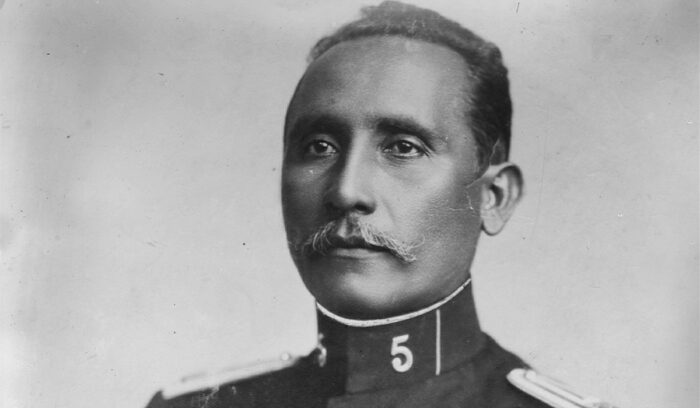
SPI – today known as the FUNAI, or Fundação Nacional do Índio, National Foundation for Indians – was the first federal agency in Brazil charged with protecting Indigenous peoples and preserving their culture.

Initially, it was just one of the many dances, but it soon became popular throughout society, as theatres and street barrel organs spread it from the suburbs to the working-class slums.