
Ecuador legalizes same-sex marriage
The highest court in Ecuador has ruled in favor of the legalization of same-sex unions, in a major victory for the LGBTQ community.
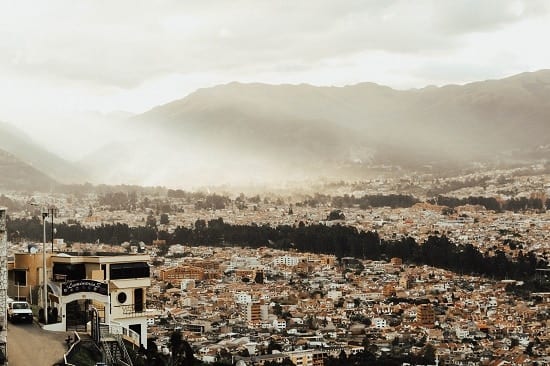
The highest court in Ecuador has ruled in favor of the legalization of same-sex unions, in a major victory for the LGBTQ community.

The move would slash the share of coal within the electricity grid from 40% to 20% in five years, with a view to phasing out the fuel completely by 2040.
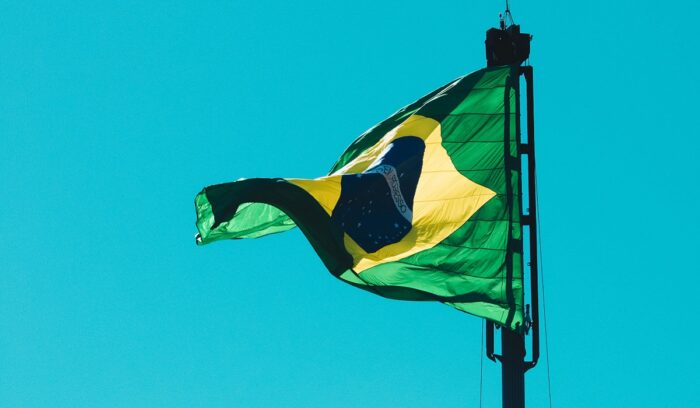
Six out of 11 judges voted to consider discrimination against gays and transgender people equivalent to racism.
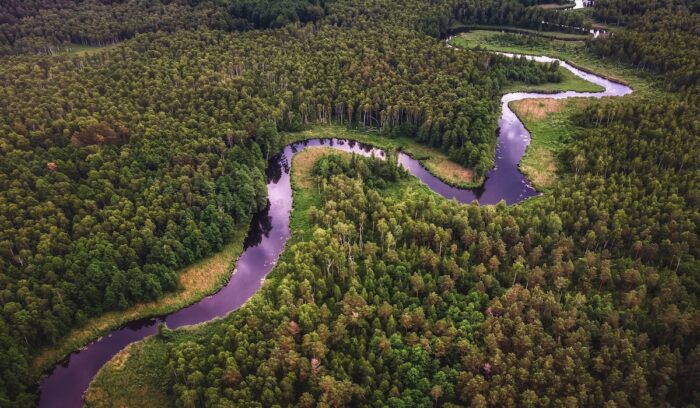
Ecuador’s Waorani indigenous tribe won their first victory against big oil companies in a ruling that blocks entry onto ancestral lands for oil exploration.
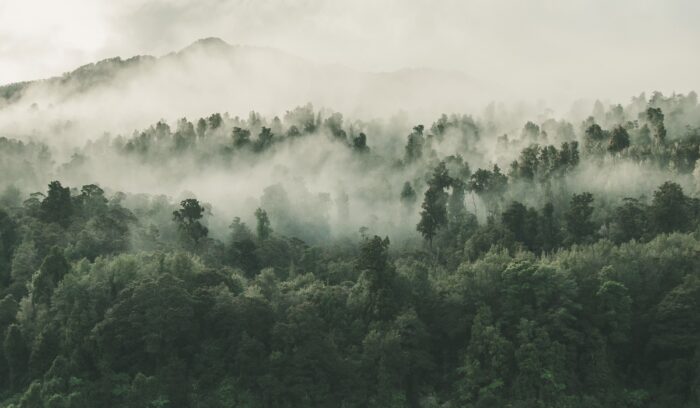
Brazilian photographer Sebastião Salgado and his wife Lélia Deluiz Wanick Salgado founded Instituto Terra, a small organization that has since planted 4 million saplings and has brought the forest back from the dead.
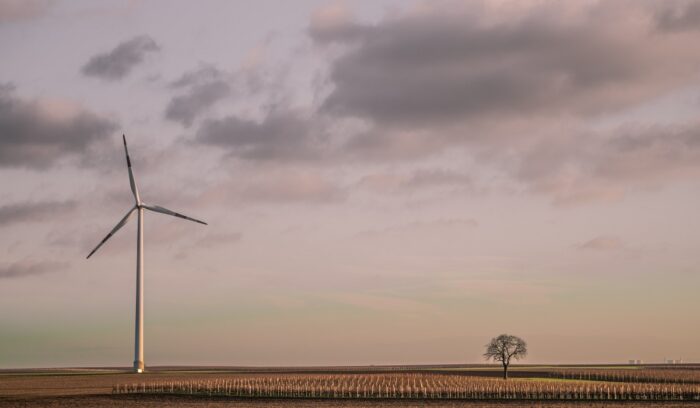
Total installed wind capacity in North, Central, and South America increased to 135 gigawatts (GW) in 2018 with the addition of 11.9 GW of new wind capacity, an increase of 12% on 2017.

More than 1,400 land iguanas, scientific name Conolophus subcristatus, were taken from the neighboring North Seymour Island and released on Santiago Island between January 3 and 4.
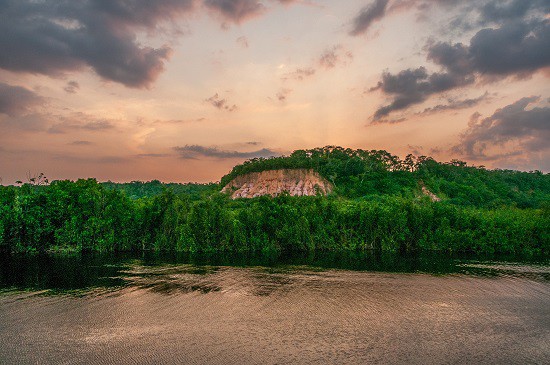
A coalition of investors managing over US$5.6 trillion in assets joined a coalition of more than 70 large food companies in calling for zero deforestation in Brazil’s Cerrado region.
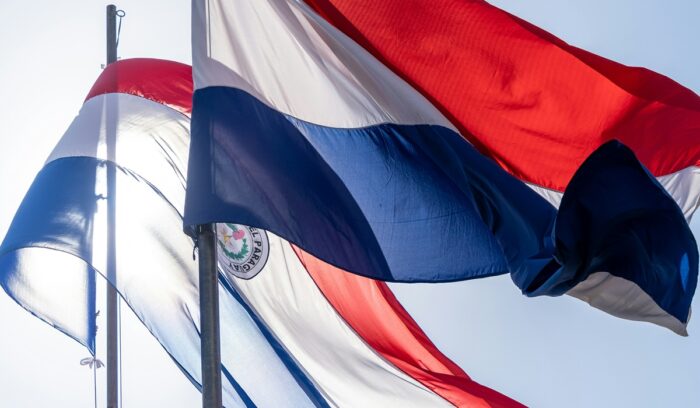
The World Health Organization (WHO) certified Paraguay as having eliminated malaria, the first country in the Americas to be granted this status since Cuba in 1973.
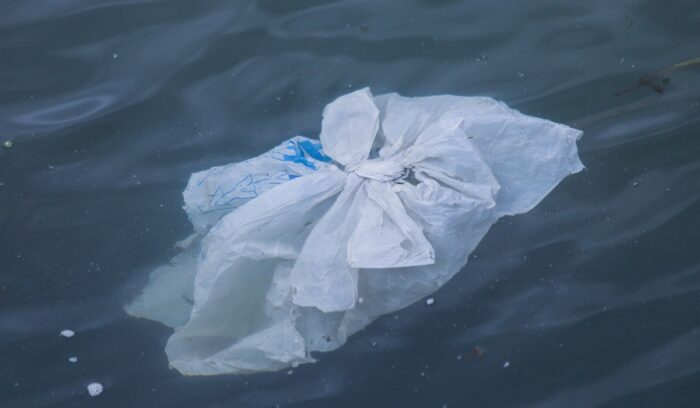
In a historic decision, Chile’s House of Representatives voted this Wednesday to ban the usage of plastic bags in all types of shops across the entire territory, making it the only country to prohibit them in the American continent.