
Bogotá gets 470 new electric buses
A total of over 300,000 people will be served by the vehicles, saving 12,500 tons of carbon dioxide and 2.5 tons of dust particles from being emitted every year.

A total of over 300,000 people will be served by the vehicles, saving 12,500 tons of carbon dioxide and 2.5 tons of dust particles from being emitted every year.

Argentina becomes the first large Latin American country to ditch stringent antiabortion regulations in a vote expected to boost feminist movements across the predominantly Catholic region.
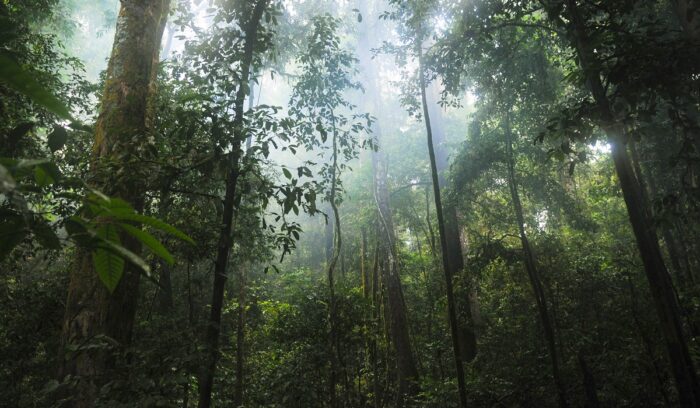
Indigenous rights’ groups and WWF International are beginning to train Andean tribes people deep within the Amazon rainforest in the use of drones so that they, as forest-dwelling specialists, can help protect wildlife, and identify, compile evidence for, and report on, illegal logging activities.
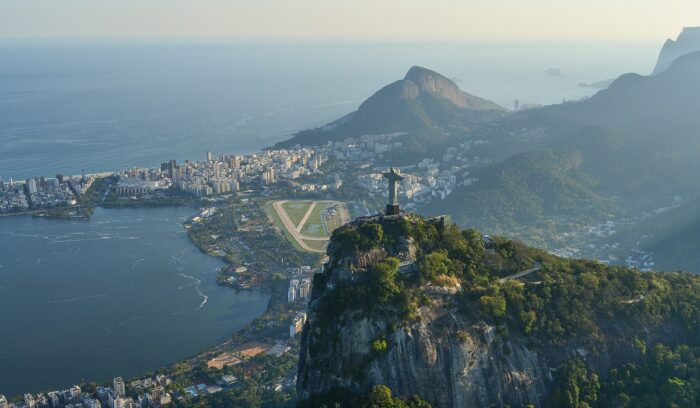
By signing, Bogotá and Rio de Janeiro commit to implementing ambitious new policies and regulations to address the top sources of air pollution within their city by 2025.
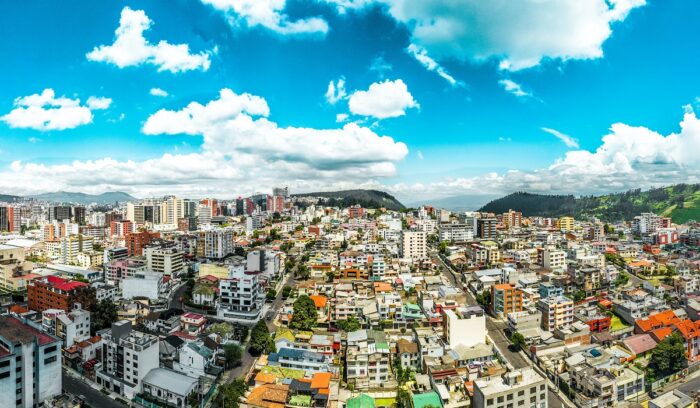
The decision follows a petition by the Ecuadorian city of Cuenca to allow a ballot referendum on mining near water sources, including near the Tomebamba, Machángara, Norcay, Yanuncay, and Tarqui rivers.

Mayor Claudia López announced that the city will add a total of 280 kilometers of bike lanes to the existing 550-kilometer network over the next four years. The long-term goal is to have half of all trips made on bikes or other micromobility alternatives such as scooters.

In the 1960s, 15 tortoises were all that remained of the entire species. After 55 years of an ambitious breeding program, there are now more than 1,900 tortoises and they will be brought back to their home in the Galapagos Islands.

The model Valentina Sampaio has made history by becoming the first openly transgender model to be featured in Sports Illustrated’s swimsuit issue. The 23-year-old Brazilian has been selected as a model for the issue that will be released on 21 July.

Chile just order 150 electric buses from BYD to transport people around its capital city of Santiago. Santiago intends to have its public transportation system fully electric by 2040.
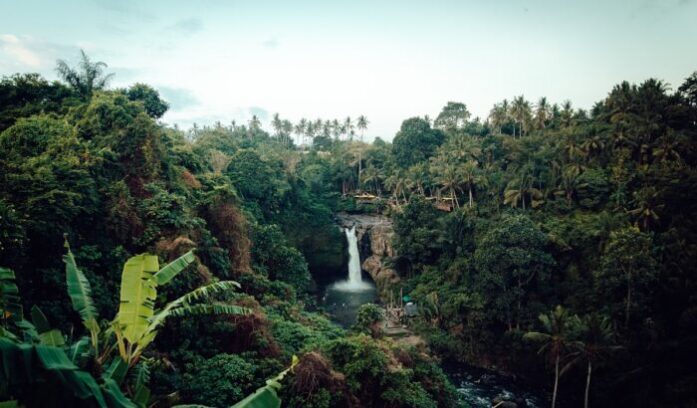
Brazil has deployed thousands of soldiers to protect the Amazon as the government mounts an early response to surging deforestation in the run-up to the high season for forest fires.