North Africa

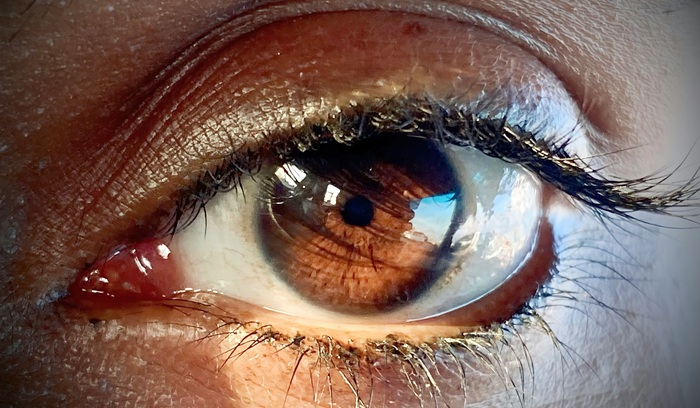
Close-up of someone's eye

Egypt becomes world’s 27th nation to eliminate trachoma

In a historic public health victory, the World Health Organization (WHO) has verified that Egypt has eliminated trachoma as a public health problem. This achievement ends the scourge of the world’s leading infectious cause of blindness, which had been documented in the region for over 3,000 years. The success was driven by the rigorous SAFE strategy—surgery, antibiotics, facial cleanliness, and environmental improvement—and protects millions from preventable vision loss.
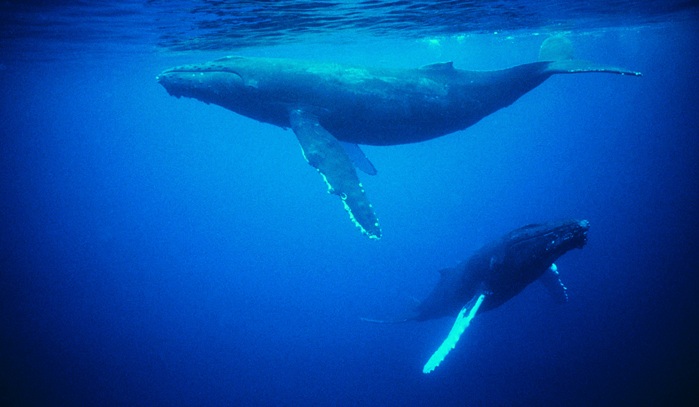
Sperm whales

IUCN approves major new North Atlantic marine sanctuary

The IUCN World Conservation Congress has voted to establish the Macaronesia Sanctuary. This massive transnational protected area spans the waters of Spain, Portugal, and Cape Verde, creating one of the world’s most ambitious marine sanctuaries. By safeguarding a vast migration corridor across four archipelagos, the initiative protects essential habitats from industrial fishing and maritime traffic. This historic agreement unites nations in a shared mission to secure the long-term resilience of this vital Atlantic ecosystem.

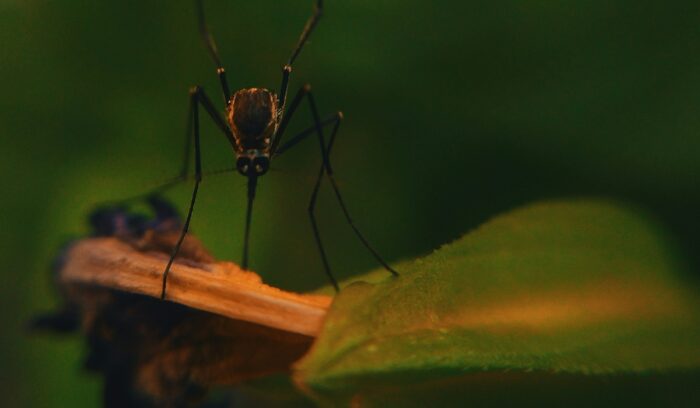
Mosquito

Egypt is certified malaria-free by World Health Organization

The World Health Organization (WHO) has certified Egypt as malaria-free, marking a significant public health milestone for a country with more than 100 million inhabitants. The achievement follows a nearly 100-year effort by the Egyptian government and people to end a disease that has been present in the country since ancient times. Egypt is the third country to be awarded a malaria-free certification in the WHO Eastern Mediterranean Region following the United Arab Emirates and Morocco, and the first since 2010. Globally, a total of 44 countries and 1 territory have reached this milestone.

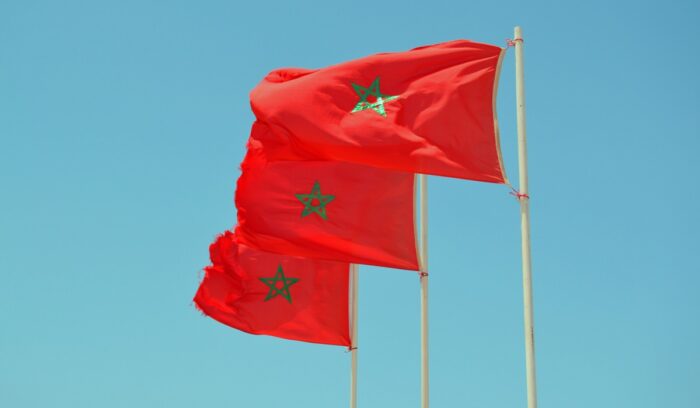
Three Moroccan flags

Morocco is rapidly growing its EV production capacity

Morocco has already established itself as a leading power in the African automotive sector. It now aspires to lead the way on the transition to EVs. The country currently produces between 40,000 and 50,000 electric vehicles (EVs) per year. However, this is expected to increase to around 100,000 units by 2025. By 2030, EVs are expected to account for up to 60% of all cars exported. The country has also entered into strategic partnerships that aim to create a solid foundation for the electric vehicle industry and supply chain, with investments totalling about $10 billion USD.

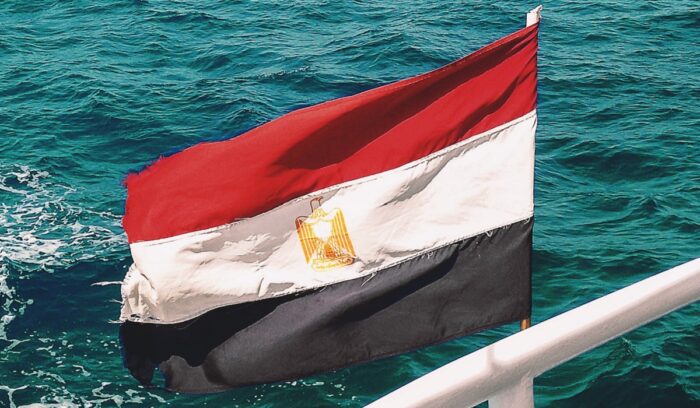
Egyptian flag

Egypt recovers 3 ancient artifacts found in the Netherlands

The items retrieved include a mummified head from the Hellenistic period, a ceramic funerary figurine dating to Egypt’s New Kingdom era (664-332 B.C.), and part of a wooden tomb bearing an inscription of the goddess Isis from 663-504 B.C., the Egyptian embassy in The Hague said in a statement. The head was found in good condition, showing remnants of teeth and hair. Dutch police and the cultural heritage inspection unit retrieved the figurines and parts of the tomb after determining that they were smuggled out of Egypt.

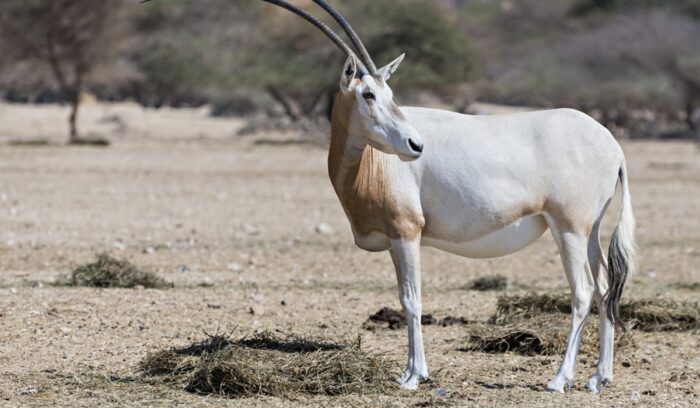
Sahara scimitar Oryx

North Africa’s scimitar horned oryx becomes first species ever to be downlisted from extinct in the wild to endangered

The scimitar horned oryx was once widespread across North Africa, but in the 1980’s the population began to plummet – largely due to the antelopes being hunted. In 2000, the species was declared Extinct in the Wild by the IUCN Red List. Now, thanks to a conservation partnership coordinated by the Environment Agency of Abu Dhabi, its fate has been reversed.