Europe

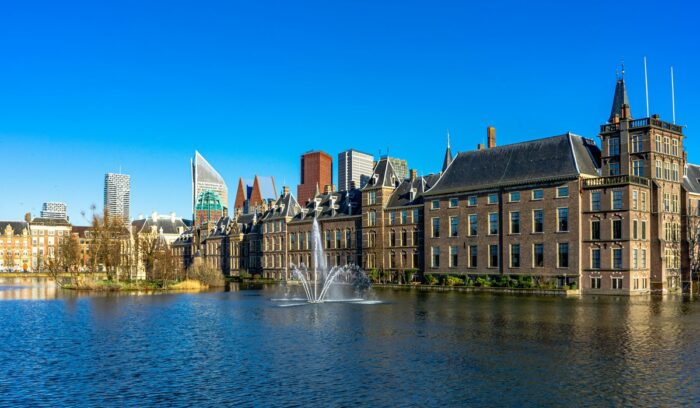
The Hague waterfront and buildings

The Hague becomes world’s first city to pass law banning fossil fuel-related ads

New legislation in the Dutch city spells the end of publicly and privately funded advertising for petrol and diesel, aviation and cruise ships in city streets, including on billboards and bus shelters. It takes effect from the start of next year. It is the first time a city has banned high-carbon advertising through local legislation. The decision follows a call by the U.N. chief, António Guterres, earlier this year for governments and media to enact such bans, as they have done with tobacco.


Trees

Norway’s forests have more than tripled in a hundred years

Over the course of the last hundred years, Norwegian forests have tripled in size according to a new report. The survey from Statistics Norway shows that forest growth continued for the whole of the 20th and much of the 21st century, but has begun tapering off as spruce saplings planted by schoolchildren in the 1960s are now fully mature and beginning in some cases to die or be logged.

Helsinki

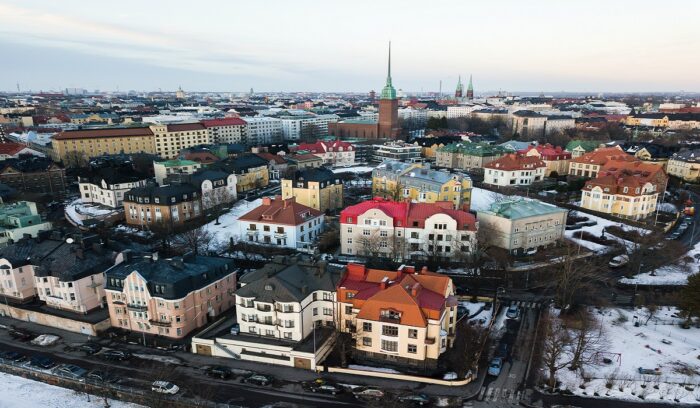
World’s largest air-to-water heat pump to warm 30,000 homes in Finland

Finland’s capital city, Helsinki, is building the world’s largest heat pump to keep as many as 30,000 homes warm in the winter while reducing carbon emissions. The pump can operate at temperatures as low as -4 Fahrenheit (-20 degrees Celsius) while being powered by only renewable energy sources. Unlike furnaces or air conditioners, which work well in a single season, heat pumps are more energy efficient and can work in all climates.

Green ammonia plant

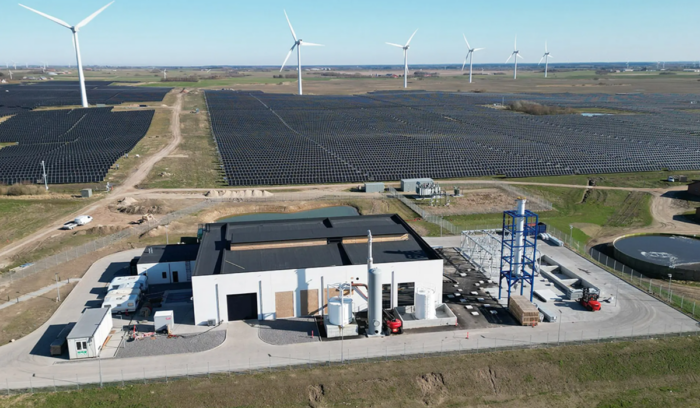
World’s first green ammonia plant is now open for business in Denmark

The new plant – located in Ramme, Denmark – is said to be capable of producing 5,000 tons of green ammonia per year, entirely from solar and wind energy. Topsoe reports that this effort will prevent 8,200 tons of carbon dioxide emissions annually. Gray ammonia production – which uses fossil fuels – is currently the norm around the globe, and accounts for about 1.2% of all carbon dioxide emissions.

Legos

Lego plans to make half the plastic in bricks from renewable materials by 2026

The toymaker hopes gradually to bring down the amount of oil-based plastic it uses by paying up to 70% more for certified renewable resin, the raw plastic used to manufacture the bricks, in an attempt to encourage manufacturers to increase production. In the long term, Lego plans to switch entirely to renewable and recycled plastic by 2032, in a green push that has resulted in the company testing more than 600 alternative materials.

Egyptian flag

Egypt recovers 3 ancient artifacts found in the Netherlands

The items retrieved include a mummified head from the Hellenistic period, a ceramic funerary figurine dating to Egypt’s New Kingdom era (664-332 B.C.), and part of a wooden tomb bearing an inscription of the goddess Isis from 663-504 B.C., the Egyptian embassy in The Hague said in a statement. The head was found in good condition, showing remnants of teeth and hair. Dutch police and the cultural heritage inspection unit retrieved the figurines and parts of the tomb after determining that they were smuggled out of Egypt.

Model lungs

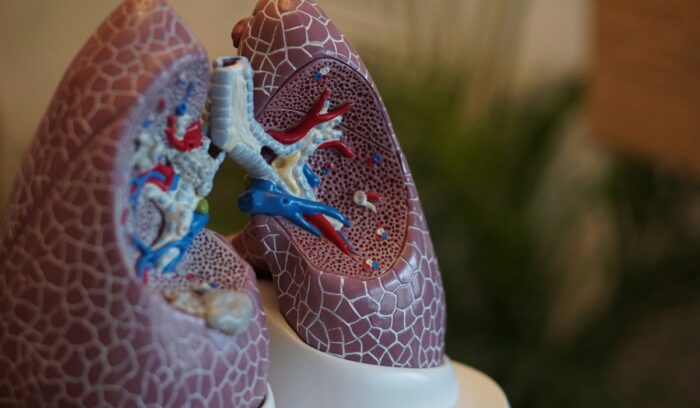
World-first lung cancer vaccine trials launched across seven countries

Lung cancer is the world’s leading cause of cancer death, accounting for about 1.8 million deaths every year. Now experts are testing a new jab that instructs the body to hunt down and kill cancer cells – then prevents them from ever coming back. Known as BNT116 and made by BioNTech, the vaccine is designed to treat non-small cell lung cancer, the most common form of the disease. The phase 1 clinical trial, the first human study of BNT116, has launched across 34 research sites in seven countries: the U.K., U.S., Germany, Hungary, Poland, Spain, and Turkey.

Danish flag

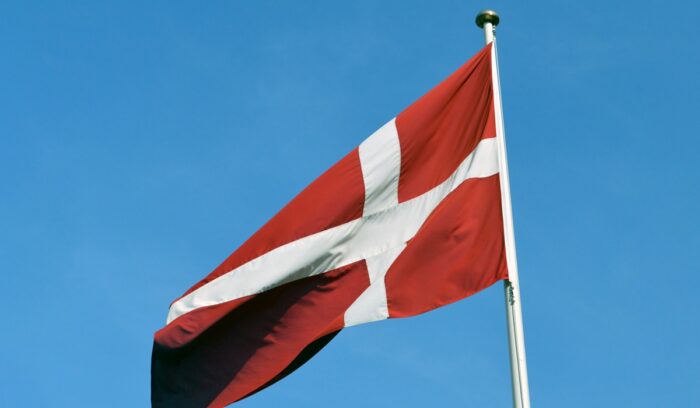
Denmark to pioneer CO2 tax on farms in a global first

The CO2 tax proposal, first proposed by government-commissioned scientists in February, is part of Denmark’s ambitious ambition to reduce greenhouse gas emissions by 70 percent from 1990 levels by 2030. The agriculture sector, which is the country’s greatest producer of CO2 emissions, is the main focus of this project.