
HIV infections among gay and bi men fall by 71% in U.K. since 2012
The number of people diagnosed with HIV in the U.K. has dropped substantially since 2012. The drop has been attributed to a rise in the use of pre-exposure prophylaxis (Prep).

The number of people diagnosed with HIV in the U.K. has dropped substantially since 2012. The drop has been attributed to a rise in the use of pre-exposure prophylaxis (Prep).

Iceland now follows only Norway worldwide in the proportion of vehicles on the road that are fully electric.

Seventy-eight of the U.K.’s 154 public universities have joined the divestment campaign, either divesting or pledging to divest hundreds of millions from the fossil fuel industry.
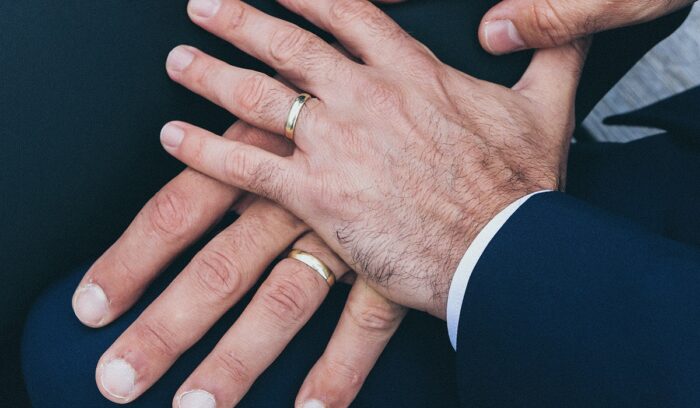
From Monday, same-sex couples will be able to register to marry, meaning the first ceremonies will take place in February.

The Lexilife team tested the light’s efficiency on 300 people with dyslexia—and 90% of participants said that they could “effortlessly read a text illuminated by the lamp.”
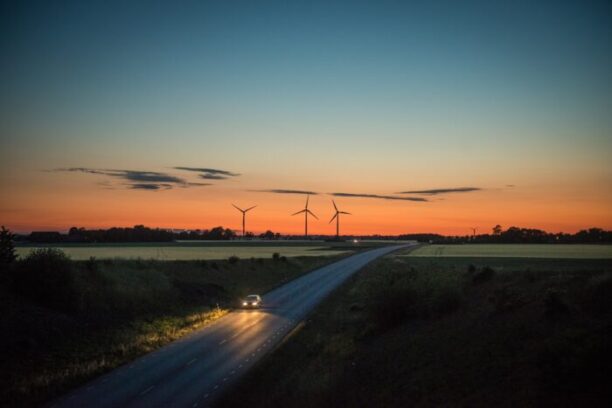
European countries are global leaders in wind power but Denmark is far in front of nearest rival Ireland, which sourced 28% of its power from wind in 2018.
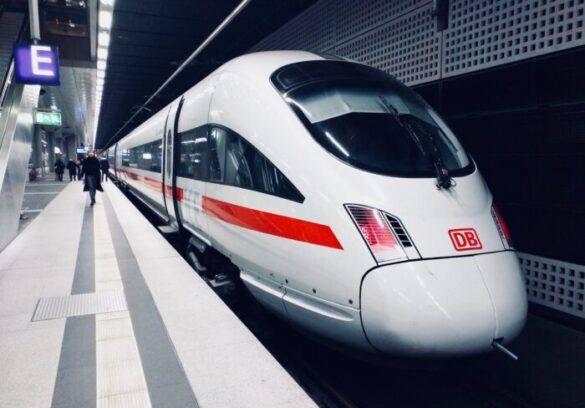
Fares for long-distance rail travel in Germany have dropped for the first time in 17 years, as climate protection measures came into effect with the new year.

In the third quarter of 2019 renewable energy sources provided a record 38.9% of the country’s electricity — exceeding natural gas for the first time ever, which provided 38.8%.
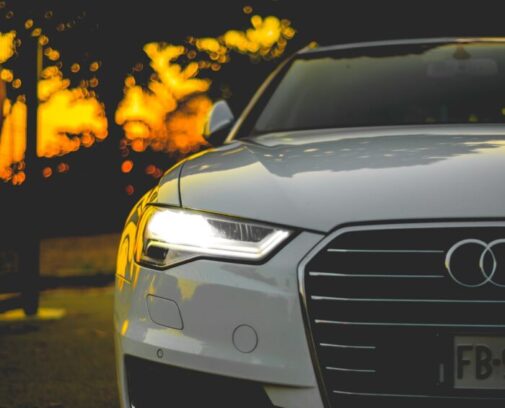
By 2025, Audi says that it will have “more than 30 electrified models in its product range” and “20 of which will be fully electric.”
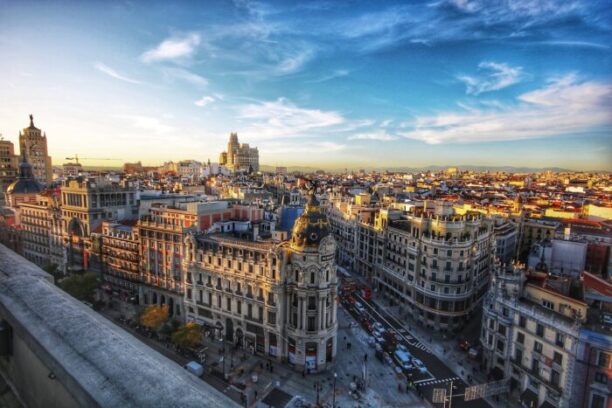
Mainland Spain went coal free from 23:50 local time on 13 December until 21:20 on 15 December — making 14 December the first day of no coal burn since records began.