Europe

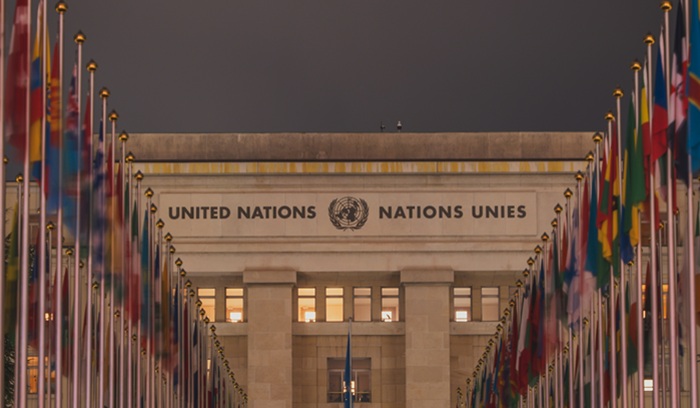
UN building and world flags

World Court says countries are legally obligated to curb emissions and protect climate

A landmark decision by the International Court of Justice in The Hague, Netherlands has cleared the way for countries to sue each other over climate change. Campaigners and climate lawyers have called this a “watershed legal moment” and hope the decision will pave the way for compensation from countries that have historically burned the most fossil fuels. The unprecedented case was the brainchild of a group of young law students from low-lying Pacific islands on the frontlines of climate change, who came up with the idea in 2019.
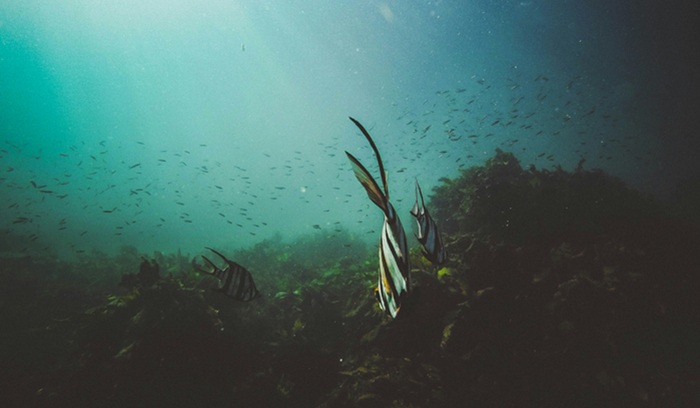
Fishes underwater

Portugal announces a massive new marine protected area

The new marine protected area covers 38,000 square miles surrounding the Gorringe Ridge, home to 850 marine species. The Gorringe Ridge is the tallest seamount—a large submarine volcanic mountain—in Western Europe, and is known for its biodiversity. Among its most famous inhabitants are “soft corals,” or gorgonians, and deep-sea sponges, which call the 1,100 reefs found throughout the ridge home. Portugal has now raised its percentage of total protected territorial waters from 19% to 27%.

Solar farm

Solar was E.U.’s biggest source of power for the first time ever in June 2025

At least 13 E.U. countries saw solar output hit a new monthly high in June, according to an analysis from energy think tank Ember. Solar amounted to more than 40% of generation in the Netherlands and 35% in Greece. Coal generated just 6 percent of electricity, a new monthly low. Fifteen E.U. countries are now coal-free, including Austria, Belgium, and Ireland. Analysts say that the June surge in solar power helped Europe weather a brutal heat wave, which saw temperatures soar upwards of 110 degrees F Analysts say that the June surge in solar power helped Europe weather a brutal heat wave.

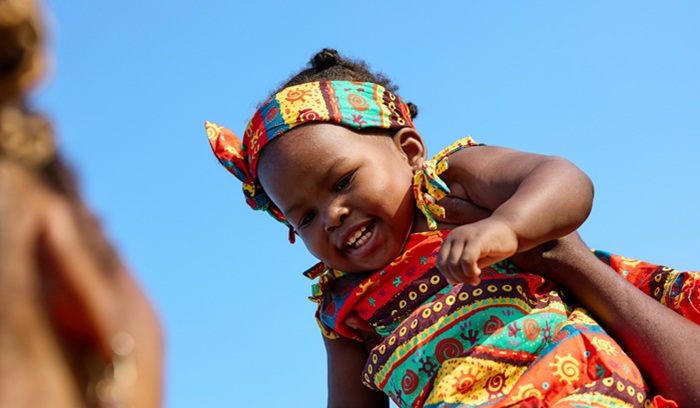
Holding a smiling baby

World’s first malaria treatment for newborn babies gets approval

Switzerland’s drug regulator has cleared the way for a new medicine to become available in parts of Africa where the life-threatening disease is endemic. In a late-stage clinical trial, pharmaceutical giant Novartis showed the drug was safe and effective for babies. The lack of specialized treatment – and the fact that babies are not vaccinated until they are around five months old – has left the youngest infants relatively unprotected against malaria, a mosquito-borne disease that kills about 597,000 people per year.

Pride celebration with pride flag in foreground

In landmark ruling, same-sex couples recognized as family by Ukrainian court

Kyiv’s Desniansky District Court has formally recognized a same-sex couple as a family, marking the first legal precedent of its kind in Ukraine, human rights organization Insight LGBTQ has announced. Ukraine does not currently recognize same-sex marriages or partnerships, and this court ruling may serve as a critical legal milestone in expanding rights for LGBTQ families. According to a 2024 poll by the Kyiv International Institute of Sociology, 70% of Ukrainians believe LGBTQ citizens should have equal rights.

Euro bills

Germany to raise minimum wage from €12.82 to €14.60 by 2027

The wage increase will take place in two stages. First, it will be increased from €12.82 per hour to €13.90 at the beginning of 2026. It will then increase again by €0.70 a year later. This means German workers would typically earn close to €2,500, making it the second-highest minimum wage in the European Union after Luxembourg, which mandates a monthly minimum of €2,638.

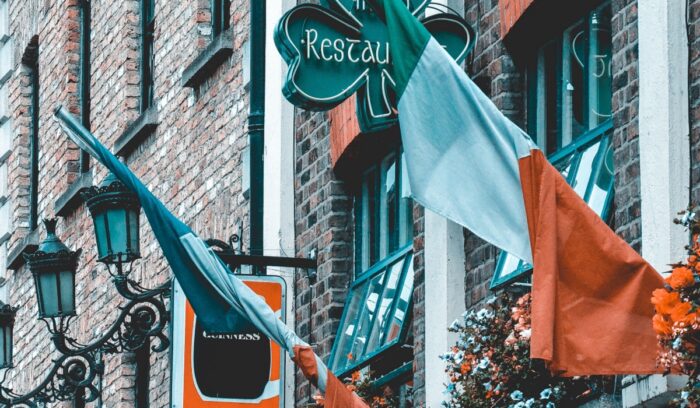
Irish flags

Ireland shuts down its last coal-fired power plant

Ireland has become the 15th coal-free country in Europe, having ended coal power generation at its 915 MW Moneypoint coal plant in County Clare. Initially commissioned in the mid-1980s by ESB, Moneypoint was intended to help Ireland offset the impact of the oil crises in the 1970s by providing a dependable source of energy. But with Ireland now generating a lot more renewable energy, coal burning is no longer such an urgent need.

Hens

Over 1,400 companies worldwide have implemented cage-free egg production pledges

45% of US hens, 62% of European hens, and 82% of British hens are now cage-free — up from about 13%, 44%, and 50% respectively a decade ago. Fully 150 million fewer American, European, and British hens are now caged than a decade ago, even as egg demand has risen in all three markets. Most companies with cage-free pledges — over 1,400, including McDonald’s, Starbucks, Amazon, and Costco — have already implemented them.

Illustration of the concept of nuclear fusion

U.K. to offer fusion energy industry $3.3 billion funding boost over next five years

More than £2.5bn of investment into fusion energy over the next five years has been announced as part of the British government’s Spending Review. It said the money would “cement” Oxfordshire’s role as a “world-leading hub” for the technology, while funds would also be invested into plans to build a fusion power plant in Nottinghamshire. Nuclear fusion is the same energy process that powers the stars, which scientists say has the potential of virtually unlimited supplies of low-carbon, low-radiation energy and is often called the “holy grail” of clean energy.

School meal

Free school meals to be extended to half a million more of England’s poorest children

Since 2018, children in England have only been eligible for free school meals if their household income is less than £7,400 per year, meaning hundreds of thousands of children living in poverty have been unable to access them. Now, from the start of the 2026 school year, every child whose household is on universal credit will be entitled to free school meals. The major policy expansion is expected to offer free meals to an additional 500,000 children across, lift 100,000 children out of poverty, and put an extra £500 in parents’ pockets.