Europe

Contraceptives

Free contraception initiative helps Finland reduce teenage abortions by 66%

The number of abortions among women under 20 rose during the 1990s in Finland, leading the Nordic country to make morning-after pills available without prescription from 15 years of age and sexual education compulsory in all schools. As a result, the number of abortions fell 66% to 722 in 2023 from 2,144 in 2000 among all teenagers aged 19 or younger in Finland, while the drop was even steeper at 78% among those under 18 in the same period.

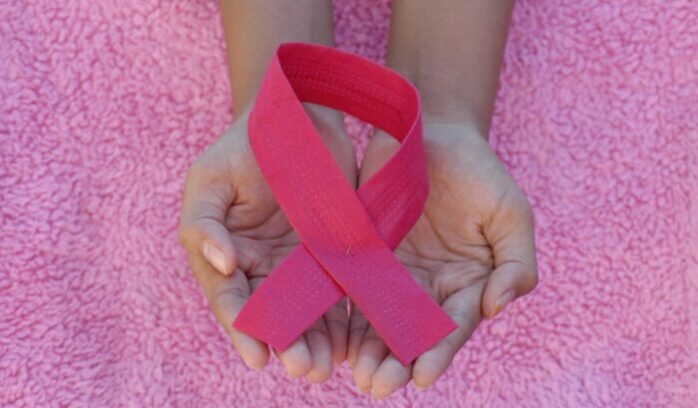
Holding breast cancer ribbon

New blood test can predict breast cancer return

An “ultra-sensitive” new blood test developed and tested by Institute of Cancer Research (ICR) London can predict if breast cancer will return years before the disease shows up on scans, researchers say. It picks up traces of a tumor’s DNA before a full relapse and was found to be 100% accurate at predicting which patients would see their cancer return. It is hoped that the test can allow treatment to start earlier and improve survival rates.

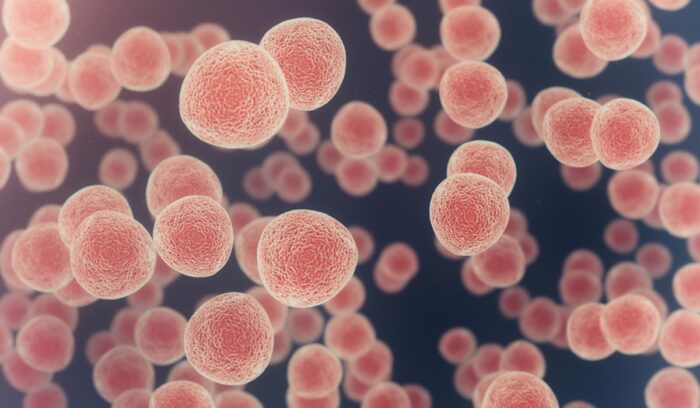
Cancer Cells under microscope

Thousands in the U.K. to trial breakthrough personalized cancer vaccines

Under the new scheme from the U.K. National Health Service, the first of its kind in the world, patients who meet the eligibility criteria and agree to have a blood test and sample of their cancer tissue analyzed will gain immediate access to clinical trials for the new vaccines that experts say represent a new dawn of treatments for cancer. While research into cancer vaccines is at an early stage, trials have already shown they can be effective at killing off any remaining tumor cells after surgery and dramatically cut the risk of cancer returning.

Ukrainian flag

Spain to give Ukraine €1 billion in military aid in decade-long defense deal

Although the precise details of the agreement have not been made public, the Spanish government said its assistance would “allow Ukraine to prioritize its capacities, including its air defenses.” The bilateral deal was agreed two days after Russia’s onslaught in the north-eastern Ukrainian city of Kharkiv killed 18 people, and as E.U. leaders grow increasingly exasperated with Hungary’s efforts to block aid to Ukraine.

Plant coming out of concrete

‘Absolute miracle’ breakthrough provides recipe for zero-carbon cement

Concrete is the world’s most used building material, and making it is a particularly dirty business – concrete production alone is responsible for about 8% of total global CO2 emissions. But according to new research from the University of Cambridge, throwing old concrete into steel-processing furnaces not only purifies iron but produces “reactivated cement” as a byproduct. If done using renewable energy, the process could make for completely carbon-zero cement.

Cargo ship at sunset

New piloting approach cuts cargo ship emissions by 17.3% in first trials

Currently, most cargo ships go as quickly as they can from port A to port B. When they get there, they sit still and wait at idle, continuing to burn fuel, until it’s time for them to dock. The Blue Visby Solution simply tells the ships to slow down, so they arrive at port right on time. Pushing all that bulk through the water at a slower speed cuts down hugely on hydrodynamic drag, so the engines burn considerably less fuel.

Liechtenstein town

Liechtenstein legalizes same-sex marriage

Liechtenstein’s parliament has voted to legalize same-sex marriage, making it the 22nd country in Europe to do so. Lawmakers in the German-speaking microstate voted nearly unanimously in favor of the measure, with 24 of the 25 MPs supporting it, Liechtensteiner Vaterland reported.

Wooden wind turbine

World’s first wooden wind turbine blades installed in Germany

Wooden wind turbines promise to significantly reduce CO2 emissions during construction and production costs compared to current turbine blades. Designed and manufactured by Voodin Blade Technology, a German pioneer in wind turbine blade manufacturing, the laminated veneer lumber blades are a more sustainable construction material than current materials and allow for easier recycling of decommissioned blades.

ClimeWorks Mammoth carbon removal plant

The world’s biggest carbon removal factory opens in Iceland

In 2021, the world’s first large-scale carbon removal plant started sucking CO2 from the air in a remote corner of Iceland. Now Climeworks, the company behind it, has opened a version that’s ten times larger. The new plant, called Mammoth, has installed 12 modular containers so far. By the end of the year, it will have 72, with the capacity to capture around 36,000 tons of CO2 per year.