Europe

Rob Jetten

Rob Jetten becomes The Netherland’s first openly gay prime minister

In a historic victory for representation and progressive politics, Rob Jetten has been sworn in as the first openly gay Prime Minister of the Netherlands. At 38 years old, the centrist Democrats 66 leader is also the youngest head of government in Dutch history. Jetten successfully formed a minority coalition government following a tense election that defeated far-right populist opponents. His platform prioritizes climate investment, economic fairness, and strong international collaboration. Jetten’s premiership powerfully reaffirms the Netherlands’ global legacy as a pioneer of LGBTQ+ equality and inclusive, cooperative democratic leadership.
Abandoned factory full of colorful textiles

E.U. bans the destruction of unsold clothing in bid to reduce waste and emissions

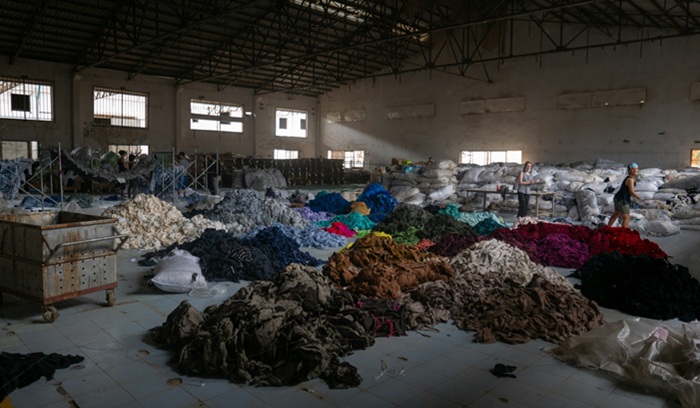
The European Union has officially adopted groundbreaking legislation banning the destruction of unsold clothing, apparel accessories, and footwear to drastically reduce waste and emissions. As part of the Ecodesign for Sustainable Products Regulation, this new ban directly targets the massive environmental impact of fast fashion overproduction. Following France’s lead as the first country to implement such a ban, the E.U. is forcing large corporations to reuse, donate, or recycle excess inventory instead of incinerating it. This policy sets a powerful global precedent for transitioning the fashion industry toward a truly circular economy.

Illustration of electric cars

Electric car sales outpace gas-powered cars in the E.U. for the first time

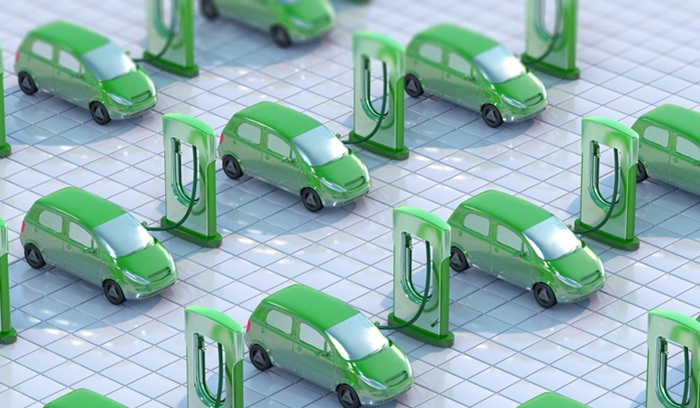
In a historic shift for the automotive industry, fully electric vehicles (EVs) have outsold petrol cars in the European Union for the first time. Data from the European Automobile Manufacturers Association shows that EVs captured 23.6 percent of the market in December 2025, surpassing petrol registrations. This milestone confirms that the transition to zero-emission transport is accelerating rapidly, driven by strong climate policies, falling costs, and growing consumer confidence. The achievement marks the beginning of the end for fossil fuel dominance on European roads.

Scientists looking at x-rays

Spanish researchers achieve pancreatic tumor regression in breakthrough study

Researchers at the Spanish National Cancer Research Centre (CNIO) have achieved a major breakthrough in pancreatic cancer treatment, successfully inducing tumor regression in mice in preclinical studies. The new therapeutic strategy targets specific signaling proteins downstream of the KRAS mutation, effectively cutting off the tumor’s growth mechanism without toxic side effects. This innovative approach resulted in the complete disappearance of tumors in study models. With plans to fast-track human clinical trials, this discovery offers a powerful new hope for improving survival rates and changing the standard of care for patients worldwide.

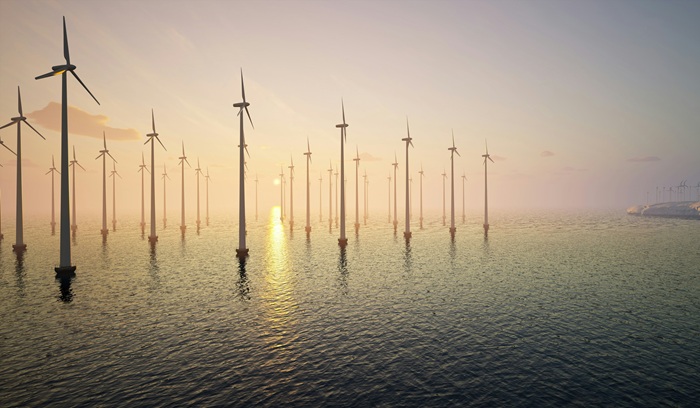
Offshore wind turbines

Ten nations commit €11 billion to massive 100GW North Sea wind power hub

In a historic display of unity, the U.K., Belgium, Denmark, France, Germany, Ireland, Luxembourg, the Netherlands, Norway, and Iceland have signed an agreement to transform the North Sea into a 100-gigawatt renewable energy powerhouse by 2030. The coalition pledged a joint investment of €11 billion to build offshore wind farms and interconnected energy islands. This massive infrastructure project is designed to power 100 million homes, securing Europe’s energy independence and accelerating the transition away from imported fossil fuels.

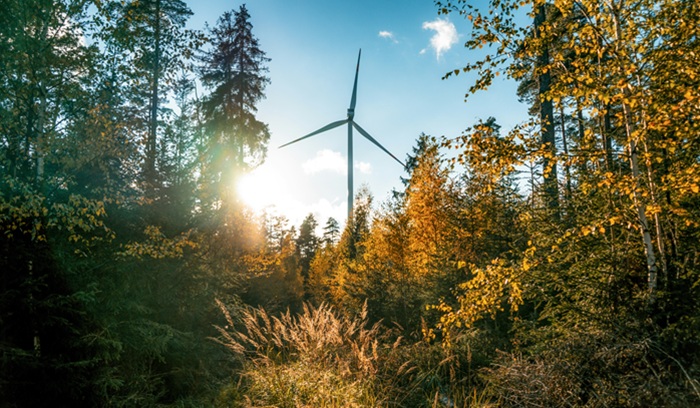
Wind turbine through the trees

Wind and solar supply more power than fossil fuels in Europe for first time ever

In a landmark achievement for the energy transition, wind and solar power have generated more electricity than fossil fuels in the European Union for the first time over a full year. According to the 2026 Ember report, renewables accounted for 30% of the EU’s electricity in 2025, surpassing the 29% from coal and gas. While gas use rose slightly due to weather conditions, a 20% surge in solar generation and a historic low for coal (9.2%) secured this major victory for clean energy.

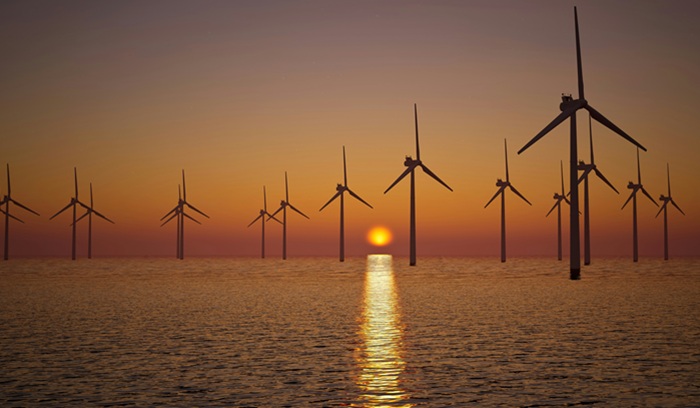
Offshore wind turbines at sunset

The U.K. secures 8GW of offshore wind capacity in record-breaking auction

Great Britain has achieved a major energy milestone, securing 8.4 gigawatts of new offshore wind capacity, enough to power 12 million homes in its latest government auction. The success follows a strategic adjustment in government policy designed to attract investment and stabilize energy prices. This massive expansion will drive billions in private investment and create thousands of green jobs in coastal communities, keeping the U.K. on track for its 2030 net-zero targets.

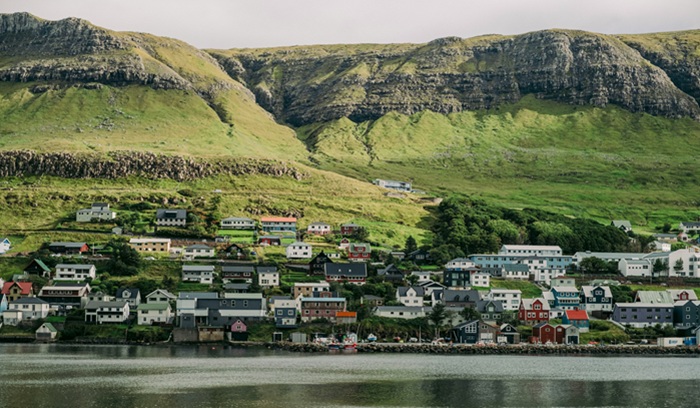
Faroe Islands town

The Faroe Islands legalizes abortion

In a landmark victory for reproductive freedom, the Faroe Islands parliament has voted to legalize abortion, ending one of Europe’s most restrictive bans. The new law allows for abortion on demand up to the 12th week of pregnancy, aligning the archipelago with its Nordic neighbors. This historic change removes the need for women to travel to Denmark for care, ensuring access to essential medical services at home. The decision is a triumph for grassroots activists who campaigned for years to modernize the nation’s healthcare laws.

Hens outside

England outlaws hen cages and pig crates in historic animal welfare reform

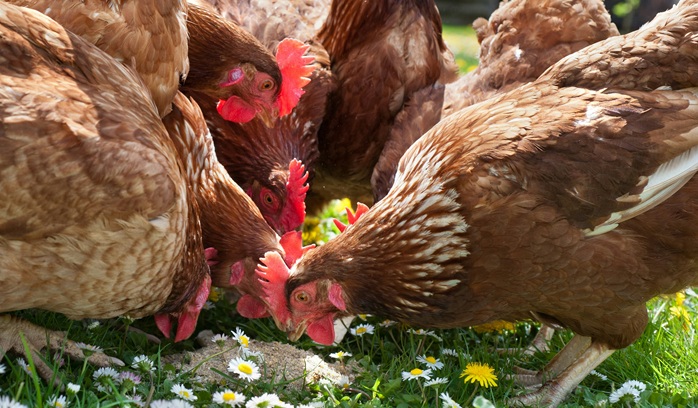
This landmark legislation will phase out restrictive confinement systems, ensuring millions of animals can express natural behaviors and live free from extreme restraint. The move, supported by a phased transition plan and funding for farmers, aligns English agriculture with strong public demand for ethical food. It cements England’s position as a global leader in high-welfare, sustainable farming standards.

Foxes

Poland bans fur farming

In a monumental victory for animal welfare, Poland has officially banned fur farming. President Karol Nawrocki signed the legislation, which prohibits new farms immediately and mandates the closure of all existing operations by 2033. As the European Union’s largest fur producer, this decision will spare over 3.5 million animals annually from confinement and slaughter. The law includes compensation for farmers, reflecting a strong national consensus to transition toward a more ethical and sustainable economy.