Body donations surge in Japan amid changing views of death
Some 296,000 people had offered to donate their bodies to universities as of March 31, 2018, compared with about 68,000 in 1985, with the figure increasing by 8,000 annually in recent years.
China’s emissions could peak at 13 to 16 gigatonnes of CO2 and begin declining between 2021 and 2025. The official target is a peak by around 2030.
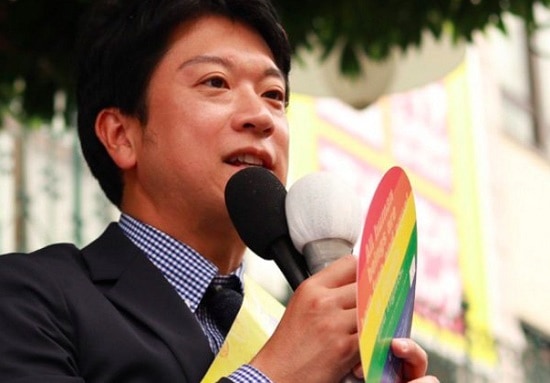
Taiga Ishikawa made history on July 21 when he became the first openly gay male lawmaker in the country’s history.
The Tokyo 2020 organizing committee unveiled its Olympic and Paralympic medal designs. They are all completely made of over six million recycled cellphones.
Their new strategy has already helped speed up research into these molecules, including a planned clinical trial in humans.
Researchers say infrastructure for bicyclists make roads safer for everyone, while reducing congestion and reducing carbon emissions.
More than 19,000 people in Japan have signed a petition to ban office dress codes which force women to wear high heels to work.
Lawmakers in Taiwan have approved a bill legalizing same-sex marriage, making it the first place in Asia to pass gay marriage legislation.
China has reassigned over 60,000 soldiers to plant at least 32,400 square miles of trees by the end of the year, which is roughly equivalent to the size of Ireland.
The China passenger car association’s first quarter figures are in, and electric vehicle sales continue their rapid rise, up 118% year on year, to over 254,000.