East Asia

Sea water crashing against rocks

Japan opens landmark osmotic power plant

A groundbreaking development has put osmotic power back on the map as a viable clean energy source. Japan has opened the world’s second large-scale osmotic power plant, a facility in Fukuoka prefecture that turns the natural mixing of freshwater and saltwater into electricity. This milestone proves that this technology is moving beyond the lab. It offers a new model for continuous, emissions-free power generation that can be integrated into existing infrastructure, providing a stable complement to intermittent sources like solar and wind.

Amur leopard

Amur leopards, once nearly extinct, are making a comeback in Far East Asia

In the 20th century, poaching for its spotted fur, forest fires and conversion of land for farming caused the wildcat’s population to plummet to roughly 25 individuals in the wild. Today, there are approximately 130 in Russia alone, according to a recent Wildlife Conservation Society report. Efforts to save the species date back decades. Collaboration between conservationists and Russian government agencies helped establish protected areas in the Primorsky Krai region since 1979, which halted the leopard’s rapid decline, according to WWF.

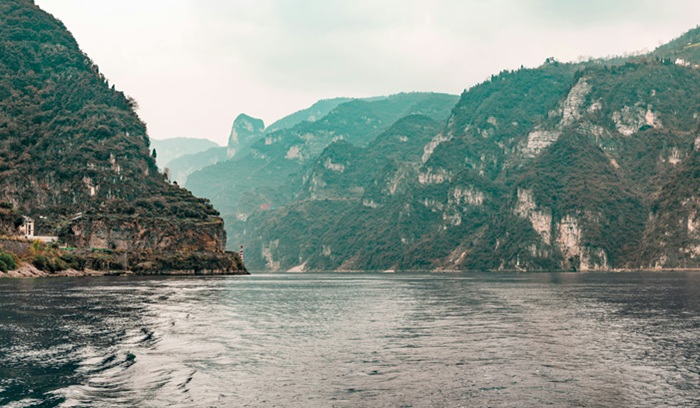
Yangtze River

China removes more than 300 dams along Yangtze River tributary to restore biodiversity

China has claimed to dismantle 300 dams and decommission more than 90% of small hydropower stations along the Chishui River since 2020. The move is seen as one of the world’s largest state-led efforts to restore aquatic biodiversity, reversing decades of hydro-infrastructure development that critically endangered native fish species, the South China Morning Post reported. The Yangtze sturgeon, declared extinct in the wild by the International Union for Conservation of Nature in 2022, has now shown signs of recovery.

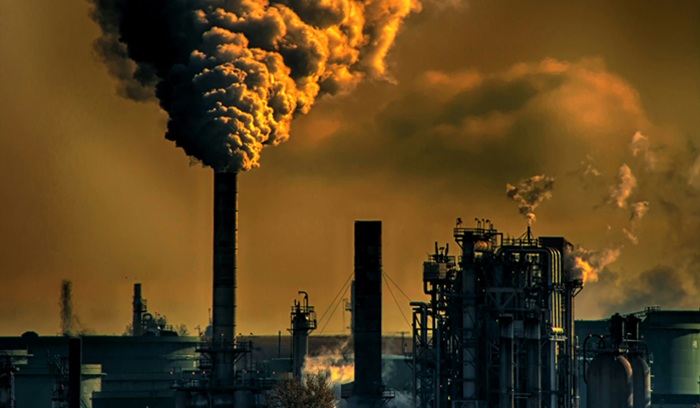
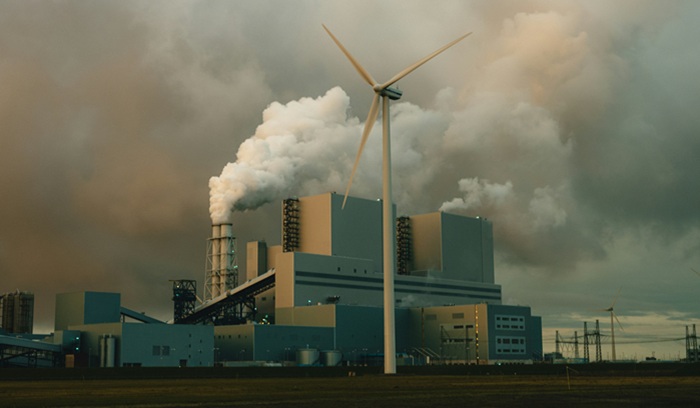
Air pollution from a coal plant

Global mercury emissions have fallen 70% over last four decades

Gold mining, coal burning, and cement and nonferrous metals production all release several thousand tons of mercury into the atmosphere every year, leading to tens of thousands of deaths worldwide. However, a team of Chinese scientists from schools in Tianjin, Beijing, Tibet, and Nanjing has found that mercury concentrations in the atmosphere have reduced by a staggering 70% since a peak in the year 2000.

Solar farm

China achieves historic 1 TW solar capacity milestone

China has continued its reign as the undisputed global leader in renewable energy, with its solar capacity now surpassing a whopping 1 terawatt (TW). According to the Energy Information Administration, the total global electricity capacity in 2022 was less than 9 TW. From January to May, new solar installations totaled 197 GW, up 388% from the same period last year. In May alone, China added 92 GW of new capacity, a 105% increase from April and the highest monthly figure on record. China reached its first 1 GW of installed solar just 15 years ago in 2010.

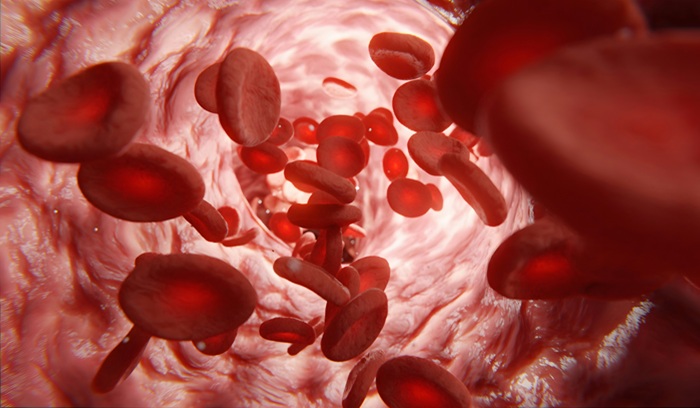
Illustration of red blood cells

Japan to begin clinical trials for artificial blood

For decades, a shrinking population and an aging society in Japan have led to fewer blood donors. This situation is especially dire during disasters or in remote regions, where matching blood types and storing donated blood are logistical nightmares. Recognizing this, researchers at Nara Medical University are developing a safe, effective artificial blood that could be administered to anyone, anywhere, at any time. Clinical trials begin this year, with practical use expected by 2030.

Factory polluting with wind turbine in foreground

China’s CO2 emissions begin declining for first time

The world’s largest emitter of carbon dioxide has seen a slight decline in those emissions over the past 12 months, even as demand for power has increased. This is an encouraging sign that the country’s massive investment in clean energy has begun to displace fossil fuels. A new report, published in Carbon Brief, finds that the country’s CO2 emissions have declined by 1% over the past 12 months. In the first quarter of 2025 alone, emissions declined by 1.6% relative to last year.

Fur coats

Chinese fast-fashion giant Shein bans fur and wild-animal skins across its online marketplace

Shein’s updated ban covers any items made from the skins or feathers of all animals considered to be “exotic”, including ostrich feathers, alligators, and snakes. The decision comes after PETA noticed several third-party vendors offering real fur products and accessories made from exotic animal skins on Shein’s marketplace platform in 2024. Shein previously maintained a no-fur policy for its in-house brands; however, this policy did not extend to third-party sellers operating on its marketplace platform.

Solar farm

Renewable energy now handles 40% of global electricity needs

According to a new report from U.K. think tank Ember, clean energy accounted for 40.9% of electricity produced worldwide in 2024. The push past the 40% mark was fueled by an unprecedented growth in solar, significant contributions from wind, a recovery in hydropower, and a small rise in nuclear power. China and the E.U. demonstrated the most remarkable increases in clean electricity generation, meeting 81% and 71% of their new electricity demand from renewables in 2024, respectively.

Solar farm and wind turbines on sunny day

Renewables account for 92% of new power capacity worldwide in 2024

Countries added a record amount of renewable power in 2024, according to an analysis from the International Renewable Energy Agency. The analysis found that solar is by far the fastest-growing form of renewable power, amounting to 77% of new capacity, with wind in a distant second at 19%. Continuing its clean-energy dominance, China installed more renewable power than all other countries combined last year. Still, growth is not on pace to meet a global goal to triple renewable capacity by the end of this decade.