
Australia is planting a billion trees to fight climate change
The government estimates that the project, which will run until 2050, will eventually remove 18 million tons of greenhouse gases per years.
This archive covers progress stories from Australia, New Zealand, and the Pacific Island nations. Expect reporting on environmental protection, Indigenous-led initiatives, public health advances, and policy wins that reflect the region’s distinct challenges and strengths.

The government estimates that the project, which will run until 2050, will eventually remove 18 million tons of greenhouse gases per years.

“2018 will go down as the year that fossil fuels began an inexorable decline in Australia’s electricity supply.”

“We surveyed over 14,000 coral colonies at 20 sites along the West Hawaii coast from Kawaihae to Keauhou and were thrilled to see that many of the area’s reefs have stabilized, which is the first step toward recovery.”

Scientists have launched the largest-ever attempt to regenerate coral on the endangered Great Barrier Reef by harvesting millions of the creatures’ eggs and sperm during their annual spawning.

The 100-megawatt Hornsdale Power Reserve, which was designed by Tesla, has saved over $40 million AUD in annual maintenance costs to the electrical grid.

The majority of the hydrogen produced will be injected into the local gas network for domestic use and demonstrate the potential for renewable hydrogen storage in Australia’s gas network.

Like the “doomsday” seed vault in Norway, the purpose of the IRRI gene bank is to ensure we never find ourselves in a position where our food supply isn’t secure and diverse.
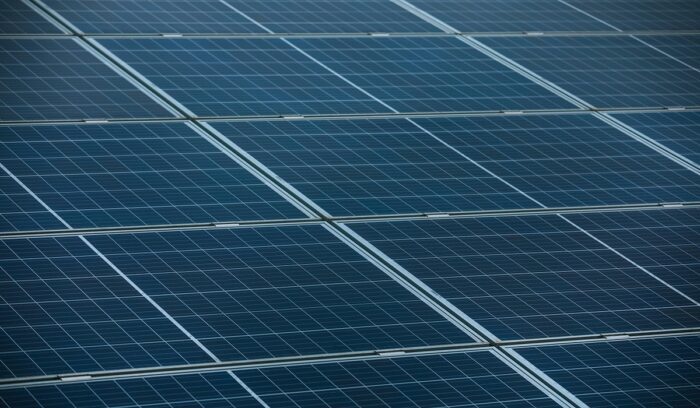
Printable solar cells could quietly rewrite who gets access to clean energy — and how fast. Developed at the University of Newcastle, these paper-thin panels cost under $10 per square meter and can be installed with adhesive tape by a small crew in a single day. The technology is less efficient than silicon and degrades faster, so durability remains an open question any rollout must honestly reckon with. But if the economics hold, solar could shift from a capital investment into something closer to a subscription service — accessible to renters, small businesses, and communities conventional panels have never reached.

Single-use plastic bags are among the most common items found in coastal litter in New Zealand.

The local utility has worked with Tesla to install a key piece of that plan, battery storage, and also a software system that can control Samoa’s entire electricity supply.