Technology & innovation

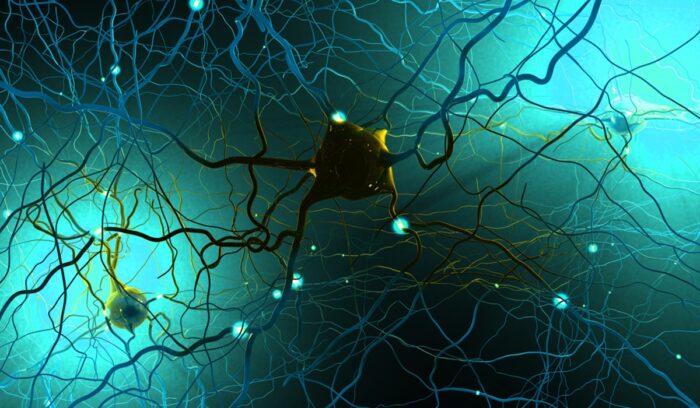
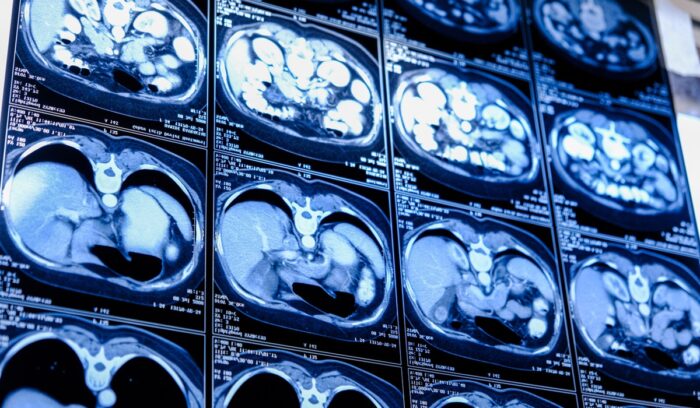
Brain scan

Belgian boy becomes first child in the world to be cured of brain stem glioma

Brain stem glioma, officially called diffuse intrinsic pontine glioma (DIPG), is rare and lethal, diagnosed in just 300 children annually in the United States. The two-year survival rate is 10%, and no drug is widely available for its treatment beyond radiotherapy. After the boy’s diagnosis, the family traveled to France to take part in a randomized controlled trial. He was randomly assigned the drug everolimus, which he took for more than 5 years with remarkable success.

Dentist's Hand Taking Saliva Test From Woman's Mouth

Hand-held test for breast cancer uses your saliva and gives accurate readings in 5 seconds

A new hand-held portable device is not only extremely quick and easy to use but very cost effective, say scientists from the University of Florida and National Yang Ming Chiao Tung University in Taiwan. Compared to the costly alternatives of Mammograms, which expose women to radiation—or MRIs and ultrasounds which require expensive equipment—researchers called the device revolutionary.

Colorful ribbons on pink background|Doctor

New drug offers breakthrough in treatment of asbestos-linked cancer

Scientists at Queen Mary University of London have developed a drug to treat mesothelioma, a notoriously deadly and hard-to-treat cancer linked to asbestos, in the biggest breakthrough in two decades.
An international trial spanning five countries found that the new drug, ADI-PEG20, cuts off the tumor’s food supply and quadruples three-year survival rates. It is the first of its kind to be successfully combined with chemotherapy in 20 years.

Aerial view of container ship

Decarbonization containers turn 78% of marine emissions into limestone in new pilot

A remarkable pilot project installed on a 787-ft. container ship has proven it’s possible to capture emissions from the smokestacks of cargo ships with 78% efficiency and convert the CO2 into limestone pebbles, which can be offloaded and sold. London startup Seabound, funded by a US$1.5-million grant from the UK Government, partnered up with global shipping company Lomar to install the carbon capture equipment on one of its older and dirtier-burning ships, a medium-sized vessel capable of carrying more than 3,200 shipping containers.

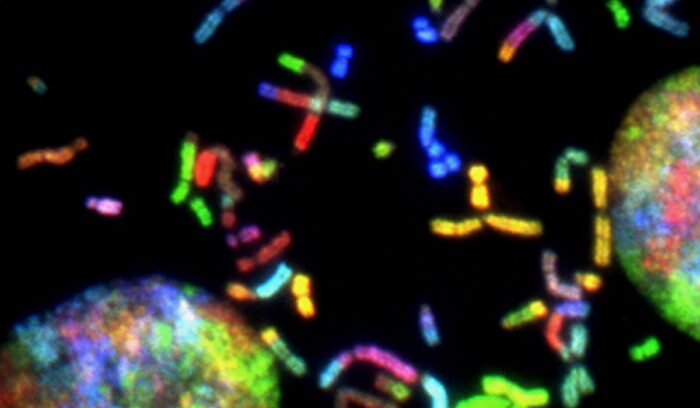
Chromosomes

Gene therapy hailed as ‘medical magic wand’ for hereditary swelling disorder

Hereditary angioedema, or HAE, is a rare disease that affects about one in 50,000 people. It is caused by a genetic mutation that leaves patients with leaky blood vessels, causing erratic bouts of swelling. Dr. Hilary Longhurst, the principal investigator at New Zealand’s Te Toka Tumai, Auckland City hospital, said the new single-dose therapy appeared to provide a permanent cure for her patients’ “very disabling symptoms”.

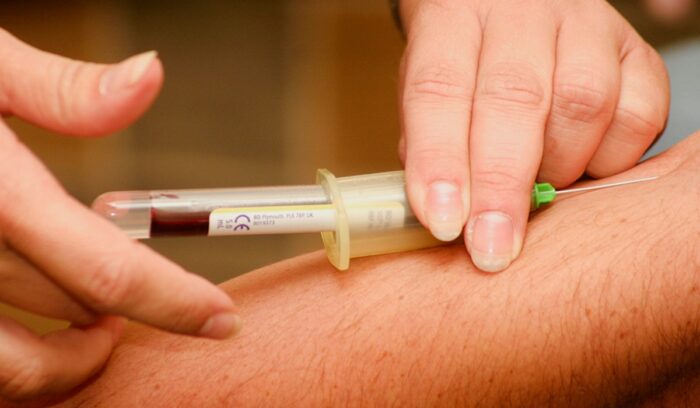
Person having blood drawn

Breakthrough Alzheimer’s blood test could detect disease 15 years before symptoms emerge

A recent trial of 786 people – conducted by Dr. Nicholas Ashton at the University of Gothenburg in Sweden and colleagues – found the new test to be as accurate at detecting the signs of Alzheimer’s as painful lumbar punctures, and better than a range of other tests currently being worked on. Experts say it could pave the way for national screening programs for people 50 and over, and that current treatments could work better with the cases picked up earlier.

Person receiving shot in the arm

Cancer vaccine with minimal side effects nearing Phase 3 clinical trials

The vaccine- developed by Dr. Thomas Wagner of U.S.-based Orbis Health Solutions – has already been tested in hundreds of patients with advanced forms of melanoma in Phase 2 clinical trials. The most recent data showed nearly 95% of people given only the vaccine were still alive three years after starting treatment and 64% were still disease-free. Among the most advanced forms of melanoma, disease-free survival after three years for people with stage III disease was 60% in the vaccine-only group, compared to about 39% in the placebo group.

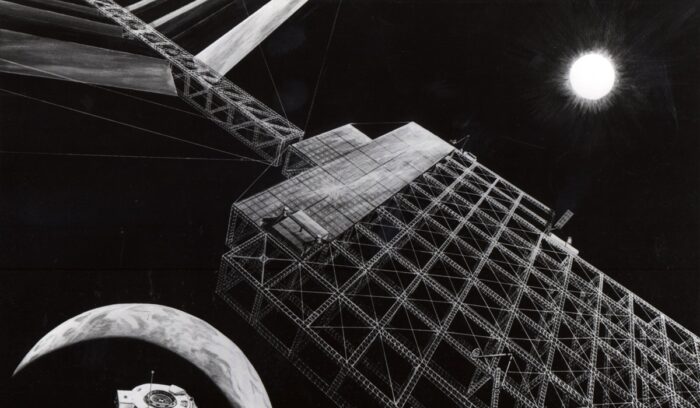
Artist's concept of a solar power satellite in place

First ever space-to-Earth solar power mission succeeds

A landmark test of beaming solar power to Earth from a satellite has concluded successfully after a year-long mission. Led by scientists at the California Institute of Technology, the mission completed all three of its primary experiments to test key technology for such an endeavor. They included a new origami-inspired solar panel structure, different cell designs, and a microwave transmitter.