Public health & disease

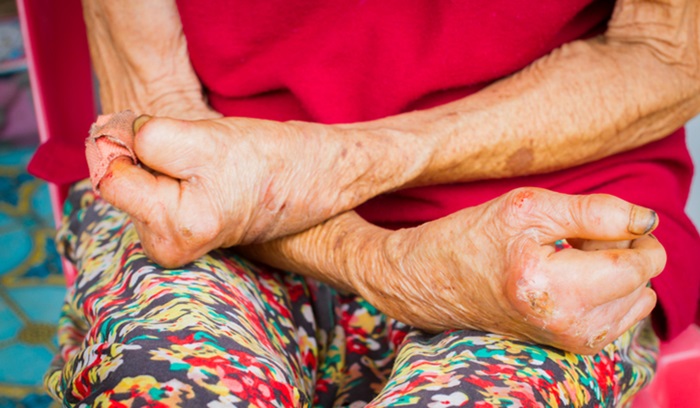
Closeup hands of old woman suffering from leprosy

Jordan becomes first country to receive WHO verification for eliminating leprosy

Jordan has not reported any autochthonous cases of leprosy for over two decades, a testament to its strong political commitment and effective public health strategies to eliminate the disease. Following up on the Ministry of Health’s interest in verifying the elimination of leprosy, the World Health Organization (WHO) commissioned an independent team to assess this situation. After an extensive review, the verification team recommended that WHO acknowledges leprosy has been eliminated in Jordan.
Naloxone and Narcan

U.S. overdose deaths plummet, saving thousands of lives

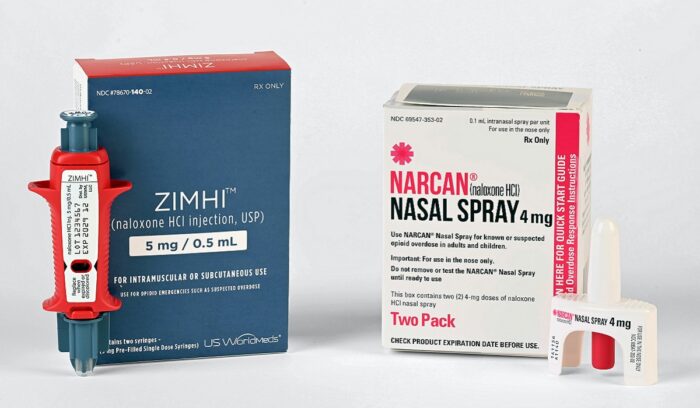
For the first time in decades, public health data shows a sudden and hopeful drop in drug overdose deaths across the U.S. National surveys compiled by the Centers for Disease Control and Prevention already show an unprecedented decline in drug deaths of roughly 10.6% last year. That’s a huge reversal from recent years when fatal overdoses regularly increased by double-digit percentages.

Person filling syringe with vaccine

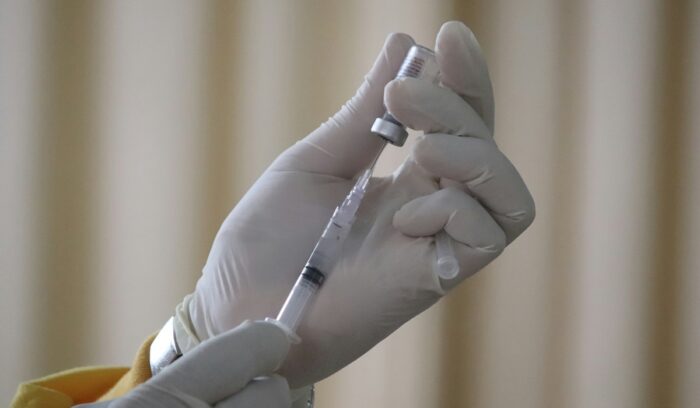
Global alliance buys half a million mpox vaccines for Africa

A batch of 500,000 mpox vaccines has been bought by the vaccine alliance Gavi, for delivery this year to virus-affected countries in Africa, where until now doses have been scarce. It is estimated that 10 million vaccines are needed to meet demand, but the Democratic Republic of the Congo, which accounts for most cases, only received 100,000 vaccines earlier this month despite having had more than 700 deaths this year and 22,000 cases of the new Clade 1b strain.

Aerial view of Gaza City

More than 350,000 Gazan children vaccinated against polio

Thousands of families visited health centers to get doses from U.N. medical teams, UNRWA reported. In southern Gaza, more than 152,000 children were vaccinated in Khan Younis city, nearly 8,800 in Rafah, and another 1,000 elsewhere in the south. The promising development follows the successful completion of the first phase of the vaccination campaign in central Gaza earlier this week, which saw more than 187,000 children under 10 receive protection from polio. To date, combined coverage for central and southern Gaza now stands at 354,786 children.

Anchorage

Nurse practitioners can provide abortions in Alaska, judge rules

A judge has struck down an Alaska law banning qualified nurse practitioners and physician assistants from performing abortions, siding with a legal challenge by a Planned Parenthood affiliate. Alaska Superior Court Judge Josie Garton in Anchorage has ruled that the law violated Alaskans’ rights to privacy and equal protection under the state constitution. The state’s top court found that those rights include a right to abortion in a 1997 ruling, and abortion is legal in the state at all stages of pregnancy.

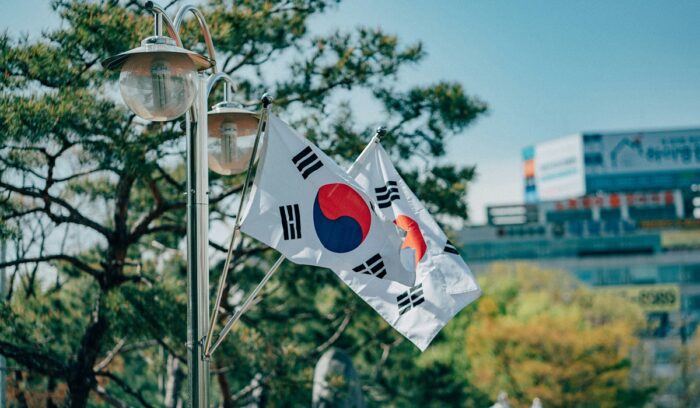
South Korean flags

‘Major milestone’ immunization campaign begins in North Korea with support of UNICEF

More than 800,000 children and 120,000 pregnant women will be vaccinated in a nationwide campaign launched on Monday by the Government of the Democratic People’s Republic of Korea (DPRK) with the support of the UN Children’s Fund (UNICEF). Over four million doses of essential vaccines — including Pentavalent, Measles-Rubella (MR), Tetanus-Diphtheria, BCG, Hepatitis B, and Inactivated Poliovirus Vaccine (IPV) — were delivered to the DPRK in July to kickstart this comprehensive catch-up effort.

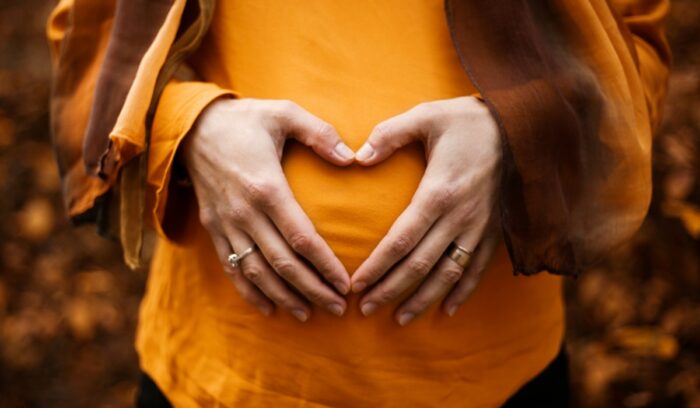
Person touching pregnant belly with hands forming a heart

Aetna to start covering IUI in the U.S.

Medical insurance company Aetna just announced that it’s going to be providing additional fertility coverage, specifically offering intrauterine insemination (IUI), to all policyholders regardless of sexual orientation or whether they’re partnered. This comes after a settlement agreement from a lawsuit earlier this year which stated that Aetna has to provide such care for LGBTQ+ people. The case, Goidel et al. v. Aetna, was filed in September 2021 and only came to a resolution in May after years of waiting and legal battles.

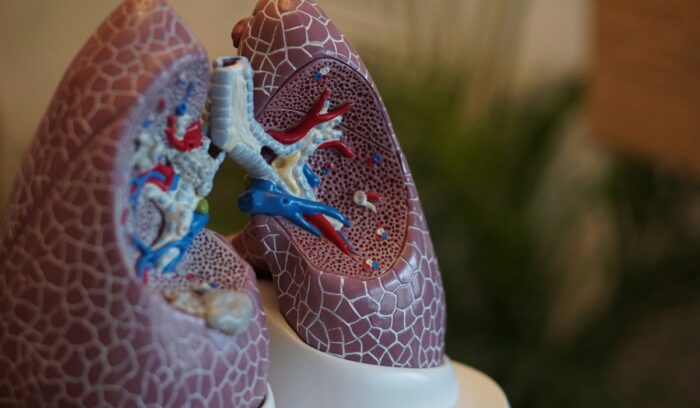
Model lungs

World-first lung cancer vaccine trials launched across seven countries

Lung cancer is the world’s leading cause of cancer death, accounting for about 1.8 million deaths every year. Now experts are testing a new jab that instructs the body to hunt down and kill cancer cells – then prevents them from ever coming back. Known as BNT116 and made by BioNTech, the vaccine is designed to treat non-small cell lung cancer, the most common form of the disease. The phase 1 clinical trial, the first human study of BNT116, has launched across 34 research sites in seven countries: the U.K., U.S., Germany, Hungary, Poland, Spain, and Turkey.

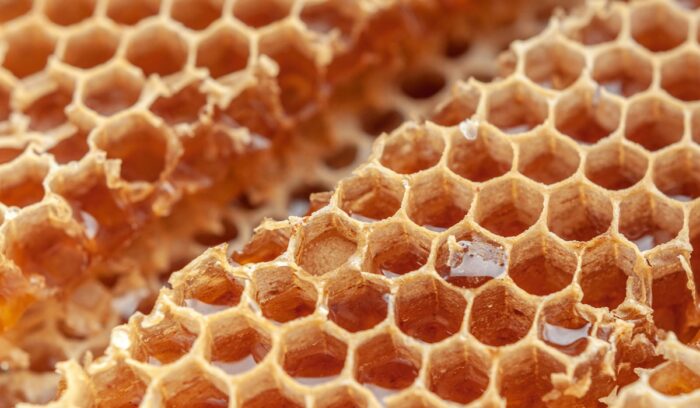
Honeycomb

Manuka honey reduces breast cancer cell growth by 84% in preliminary studies

Manuka honey is produced from the nectar collected by honey bees when they pollinate the mānuka, a species of tea tree indigenous to New Zealand and southeast Australia. Now, preliminary studies by researchers at UCLA have found that this nutraceutical might aid in breast cancer prevention and treatment. The honey-treated mice showed significantly suppressed tumor growth compared to controls. Overall, it inhibited the growth and progression of an established human breast cancer tumor by 84% without affecting healthy cells.

MIT naloxone sensor implant

MIT scientists reverse opioid overdoses with ‘Narcan sensor’ implanted under skin

In 2023, more than 100,000 Americans died from opioid overdoses. The most effective way to save someone who has overdosed is to administer a drug called naloxone, but help can’t always reach the person in time. Researchers at MIT and Brigham and Women’s Hospital have developed a new device to address this problem. The device, about the size of a stick of gum, can be implanted under the skin. When it determines that an overdose has occurred, it rapidly pumps out a dose of naloxone.