Technology & innovation

Image of brain

New mRNA cancer vaccine triggers fierce immune response to fight malignant brain tumor

In a first-ever human clinical trial of four adult patients, an mRNA cancer vaccine developed at the University of Florida quickly reprogrammed the immune system to attack glioblastoma, the most aggressive and lethal brain tumor.

In a first-ever human clinical trial of adult patients, an mRNA cancer vaccine developed at the University of Florida reprogrammed the immune system to attack glioblastoma, the most aggressive and lethal brain tumor. The results mirror those in 10 pet dog patients suffering from brain tumors, as well as results from preclinical mouse models. The breakthrough will now be tested in a Phase 1 pediatric clinical trial.
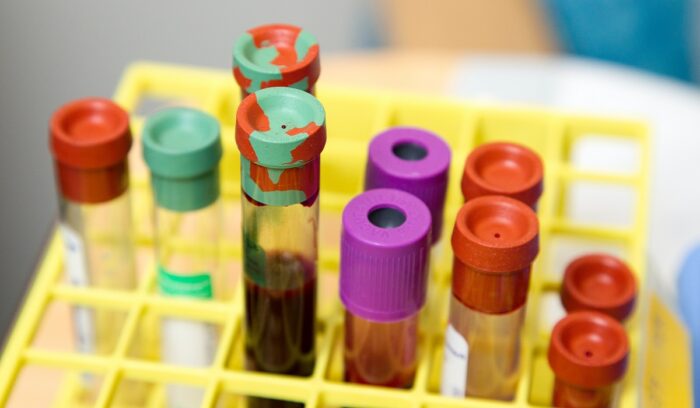
Vials of blood

Bacterial enzyme strips away blood types to create universal donor blood

There’s a global shortage of blood supplies needed for life-saving transfusions due to factors that include an aging population with a higher demand for it and a lack of volunteer donors. To help address this challenge, researchers at the Technical University of Denmark (DTU) and Lund University, Sweden, have used enzymes produced by a common gut bacteria to remove the A and B antigens from red blood cells, bringing them one step closer to creating universal donor blood.

Mosquito on a leaf

New types of mosquito bed nets could cut malaria risk by up to half, trial finds

Nets treated with two types of insecticide rather than one were trialed in 17 African countries where malaria is endemic between 2019 and 2022. During clinical trials when a net was coated with the insecticides pyriproxyfen or chlorfenapyr, alongside pyrethroid, malaria transmissions were reduced by between 20% and 50%. More than 600,000 people died from malaria in 2022 and 249 million people were infected, according to the latest data from the World Health Organization.

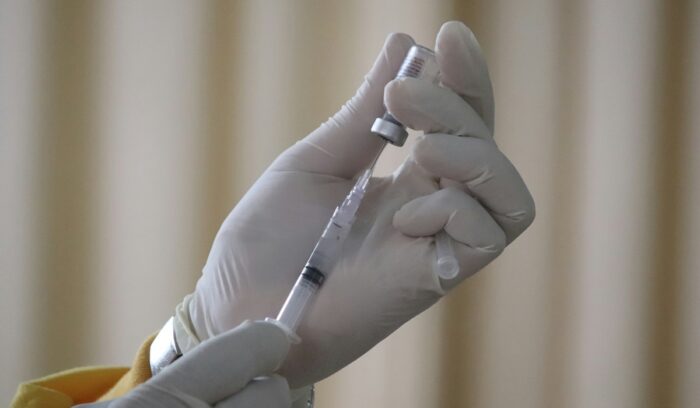
Person filling syringe with vaccine

Nigeria becomes world’s first country to introduce ‘revolutionary’ meningitis vaccine

Nigeria has become the first country to roll out a “revolutionary” five-in-one vaccine against meningitis, the World Health Organization has announced. The Men5CV vaccine offers a powerful shield against the five major strains of the meningococcal bacteria that cause the disease. Known by the brand name MenFive, it provides broader protection than the vaccine currently used in much of Africa.

Bifacial PV plate

British scientists develop new bifacial solar technology that generates more power at reduced cost

Scientists from the University of Surrey in England, working with colleagues at the University of Cambridge, the Chinese Academy of Sciences, Xidian University, and Zhengzhou University, have developed a flexible perovskite solar panel that use electrodes made of tiny carbon nanotubes. The researchers demonstrated that in addition to producing more energy than traditional solar panels, “the material cost of an all-carbon-electrode-based bifacial PSC is about 70% lower than that of a monofacial device.”

Place bandage on knee

Scientists successfully 3D-print human skin tissue into open wounds

Scientists at Pennsylvania State University have successfully 3D-printed living human skin tissue directly into the open wounds of rats for the first time in history. This bioengineering milestone could pave the way for major developments in reconstructive surgery — or even human hair treatments. Current methods of skin and hair reconstruction — like skin grafts — often result in scars, meaning this discovery could lead to a more seamless treatment for humans.

Satellite over Earth

New satellite pinpoints global methane pollution in real-time

MethaneSAT, developed by the Environmental Defense Fund in partnership with the New Zealand Space Agency, is the size of a washing machine and cost $88 million to build and launch. While part of its mission is to spot polluters, the other side of the coin is that it can verify that others are indeed managing those emissions in a responsible fashion. Stemming methane leaks is the fastest single way to curb the escalation of average global temperatures, according to The Guardian.